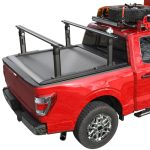
Ram became its own brand in 2009 – that’s what happened to Ram car. The Dodge Ram truck line was split off from Dodge to form the Ram Truck brand, which is a big part of what happened to Ram car and truck identity.
This move was a huge deal in the auto world. It changed how people saw both Dodge and Ram. The trucks got their own spotlight and their own path forward. The story of what happened to Ram car involves big business plans and a focus on trucks.
It was not a sudden thing. The seeds were planted years before the official split. The decision to make Ram its own brand was a strategic one by its parent company.
What Happened to Ram Car and the Dodge Split
Let’s go back to the late 2000s. Chrysler, the parent company, was going through a major change. They were coming out of a bankruptcy and needed a fresh plan.
Executives looked at their lineup. They saw that Dodge had two very different images. One image was for fast cars and muscle cars like the Charger. The other image was for tough, hard-working trucks.
They thought these two ideas were fighting each other. You can’t sell a family sedan and a heavy-duty truck with the same brand feeling. This thinking is central to what happened to Ram car and its separation.
The fix was a clean break. In 2009, they announced that Ram would be its own brand. It would focus only on trucks and commercial vehicles.
Dodge would then focus on performance cars and SUVs. This split aimed to make both brands stronger in their own areas. The story of what happened to Ram car is really a story of branding.
It was a bold move. Not many companies split a famous name like that. But they believed it was the right call for the future.
The Official Announcement and New Beginning
The official news came in 2009. Chrysler unveiled its new business plan after the bankruptcy. A key part of this plan was the creation of the Ram Truck brand.
This was the clear answer to what happened to Ram car. It was no longer a “Dodge Ram.” It was just “Ram.” The Ram 1500, 2500, and 3500 were now under this new brand.
The famous ram’s head badge got a big update. It became the main logo, front and center. The Dodge logo was removed from the trucks entirely.
This was a visual signal of the change. When you saw a new truck, you knew it was a Ram, not a Dodge. This branding shift is a huge part of what happened to Ram car identity on the road.
Dealerships had to adjust too. Many showrooms now had separate sections for Ram trucks. It was the start of a new chapter.
The goal was to build a brand known only for capability and toughness. They wanted to compete directly with truck-only brands like Ford.
Why They Made This Big Change
You might wonder why they would break up a famous name. The reasons make a lot of business sense. Understanding these reasons explains what happened to Ram car strategically.
First, the truck market is very competitive and very profitable. By having a dedicated brand, Ram could pour all its energy into trucks. They didn’t have to share money or ideas with car projects.
Second, it allowed for clearer marketing. Ram ads could talk only to truck buyers. They could focus on payload, towing, and durability without mentioning cars.
Third, it strengthened the Dodge brand too. Dodge could go all-in on performance and speed. Their ads could be about horsepower and racing without mentioning work trucks.
This separation let each brand build a stronger, clearer image. The move to explain what happened to Ram car was about focus. It’s hard to be the best at two different things.
Chrysler decided it was better to be great at one thing each. This thinking drove the decision on what happened to Ram car and its future.
What Happened to Ram Car Models After the Split
After the split, the Ram lineup began to grow. It was no longer just the pickup trucks you knew. The brand started to expand its portfolio.
The Ram 1500 continued as the flagship full-size pickup. It got updates and new engines. The heavy-duty models (2500/3500) also stayed, getting even more powerful.
Then, Ram added new vehicles. They brought back the Ram 1500 TRX, a crazy high-performance truck. They also introduced the Ram 1500 Rebel for off-road fans.
Perhaps the biggest addition was the Ram ProMaster van. This was a commercial van for businesses. It showed that Ram was serious about the work vehicle market.
They also added the Ram ProMaster City, a smaller van. This expansion showed the result of what happened to Ram car. With its own brand, it could explore new vehicle types.
The brand kept the focus on utility and capability. Every new model fit that tough truck image. The growth after the split proved the strategy had merit.
How the Public Reacted to the Change
Change is always tricky with loyal fans. When people learned what happened to Ram car, reactions were mixed. Some people were confused at first.
Many loyal truck buyers just called it a “Dodge” for years after. Old habits are hard to break. The name “Dodge Ram” was stuck in their minds.
But over time, the new brand caught on. Marketing helped a lot. Seeing the ram’s head logo everywhere built new brand recognition.
According to NHTSA safety ratings and sales data, the trucks kept selling well. The split did not hurt sales. In fact, many argue it helped.
By focusing only on trucks, Ram made better trucks. The interiors got nicer. The technology got more advanced. The towing numbers got bigger.
Customers who only wanted a truck liked having a brand that shared their focus. The story of what happened to Ram car became a story of specialization winning.
Comparing Ram Before and After the Split
Look at a 2008 Dodge Ram 1500. Then look at a 2010 Ram 1500. The differences go beyond the badges.
Before the split, the trucks were part of a bigger family. They shared design themes with Dodge cars sometimes. Their marketing budget was split with cars.
After the split, the trucks developed their own design language. The big crosshair grille became a signature look. The interiors got much more attention and better materials.
Investment in truck-specific technology increased. This is a direct result of what happened to Ram car becoming its own brand. All the money from truck sales went back into trucks.
The lineup also became more focused. They dropped models that didn’t fit the tough image. They doubled down on what truck buyers wanted.
You can see the evolution in the current models. The Ram 1500 is now known for having a great interior. This reputation grew from the brand’s independence. The path of what happened to Ram car led to a better product.
The Impact on Dodge After the Split
Dodge changed a lot too after the split. This is the other side of what happened to Ram car. With the trucks gone, Dodge leaned hard into performance.
They revived the Challenger and Charger as modern muscle cars. They made the Durango SUV into a powerful family hauler. The brand slogan became “Domestic. Not Domesticated.”
This fierce performance image would have been harder with work trucks in the showroom. The split let Dodge be wild and loud. It let Ram be rugged and strong.
Both brands found their clear voice. The EPA fuel economy guides show the different paths. Dodge focused on powerful engines. Ram focused on efficient truck engines like the diesel.
The business results were positive for both. It showed that the corporate gamble on what happened to Ram car paid off. Two focused brands were stronger than one mixed brand.
It was a classic case of “divide and conquer.” Each brand conquered its own part of the market.
Where the Ram Brand Stands Today
Today, Ram is a powerhouse in the truck world. It consistently fights for the number two spot in full-size truck sales. It battles with Chevrolet and often wins.
The brand has a full range of trucks. It has the light-duty 1500, the heavy-duty models, and the mega cab configurations. It also has the commercial vans like the ProMaster.
They even have the Ram 1500 REV, an all-electric truck for the future. This innovation stems from being a focused brand. They can invest in truck-specific electric technology.
The journey of what happened to Ram car led to this strong position. The brand has its own identity, its own fans, and its own future. It’s not living in the shadow of Dodge anymore.
According to the Federal Highway Administration, pickup trucks are more popular than ever. Ram is perfectly placed to capture that market. Their entire existence is about trucks.
From a business view, the split was a major success. The story of what happened to Ram car is a case study in smart branding.
Common Misconceptions About What Happened to Ram Car
There are a few wrong ideas about this split. Let’s clear them up. One big myth is that Ram was sold to another company.
That is not true. Ram is still part of Stellantis, the big auto group that owns Chrysler, Dodge, and Jeep. Ram was not sold off. It was just given its own division.
Another myth is that the trucks got worse or changed factories. The trucks kept being made in the same plants. The engineers were largely the same team.
The change was mostly in marketing, branding, and business strategy. The core product was still a great truck. The story of what happened to Ram car is not about product decline.
Some people also think Dodge stopped making trucks entirely. That is correct for full-size trucks. But Dodge did make the compact Dakota for a short while after.
But the heart of the truck business went to Ram. Understanding what happened to Ram car means knowing it was an internal shift, not a sale or a drop in quality.
The Future of the Ram Brand
So what’s next for Ram? The future is about evolving while keeping its tough core. Electric vehicles are a big part of the plan.
The Ram 1500 REV is coming to compete with the Ford F-150 Lightning. Ram will also keep improving its gas and diesel engines. They know their customers need capability above all.
They will likely add more technology for towing and hauling. Features that make a truck owner’s job easier. This focus is only possible because of what happened to Ram car becoming its own brand.
They might expand their commercial vehicle lineup too. More vans or maybe even electric work vehicles. The brand has the freedom to explore these ideas.
The U.S. Department of Energy tracks vehicle trends, and trucks are going green. Ram will be part of that change as a leader, not a follower.
The journey that started with the question of what happened to Ram car has set the brand up for a strong future. It stands alone, and it stands strong.
Frequently Asked Questions
What happened to Ram car in simple terms?
Ram used to be a model under Dodge called “Dodge Ram.” In 2009, it split off to become its own separate brand called “Ram Trucks.” This is the core of what happened to Ram car.
Are Ram trucks still made by Dodge?
No, they are not. Ram trucks are made by the Ram Truck brand. Both Ram and Dodge are owned by the same parent company, but they operate as separate brands now.
Why did they split Ram from Dodge?
They did it to let each brand focus. Ram could focus only on making great trucks. Dodge could focus only on making great performance cars and SUVs. This explains the strategy behind what happened to Ram car.
When exactly did what happened to Ram car occur?
The official announcement was in October 2009. The 2010 model year trucks were the first to be sold simply as “Ram” trucks, not “Dodge Ram.”
Did the trucks change after the split?
The trucks got better over time. With all the focus and money on just trucks, Ram improved the interior, technology, and engines. The split was good for the product.
Can I still get parts for my old Dodge Ram?
Yes, absolutely. Parts are still available through Mopar, the parts division. The name change did not affect parts supply for older models. The Safercar.gov site lists recalls for

Tony Kilmer is an auto mechanic and the author behind CarTruckAdvisor.com. He shares practical, no-nonsense guidance on car and truck maintenance, common problems, and repair decisions—helping drivers understand what’s going on and what to do next.