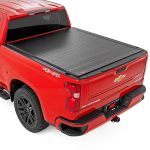
You open your truck bed after a rainstorm, expecting your tools or gear to be dry and protected, only to find a puddle of water and damp belongings. This frustrating scenario is a common complaint among truck owners who invest in a tonneau cover for security and weather resistance. A leaky cover undermines its core purpose, leading to potential damage, mildew, and a constant battle against the elements. Understanding why this happens is the first step to reclaiming a dry, functional truck bed.
This topic matters because water intrusion is more than a minor annoyance; it can lead to rust on your bed, electrical damage if you have installed lighting or outlets, and ruined cargo. With the market for tonneau covers expanding in 2026, featuring advanced materials and designs, the expectation for a perfect seal is higher than ever. This article will guide you through the primary causes of leaks, provide a systematic diagnostic approach, and offer practical repair and prevention strategies. You will learn how to identify failure points, implement effective fixes, and choose the right cover to ensure your investment keeps your cargo completely dry.
The Primary Culprits: Why Tonneau Covers Leak
The first step in solving a leak is understanding its origin. Contrary to popular belief, most tonneau covers are not designed to be 100% waterproof; they are water-resistant, meaning they shed the majority of water but can allow seepage under certain conditions. The most common failure points are not the panel material itself, but the seals and interfaces. The perimeter seal, or tailgate seal, is the primary defense. Over time, this flexible rubber or foam gasket can become compressed, cracked, or misaligned, creating direct channels for water to enter the bed. Even a small gap at the corners of the tailgate can funnel a surprising amount of water during a drive in heavy rain.
Another major culprit is the drainage system, or lack thereof. Many hard folding and retractable covers have built-in channels designed to direct water to the front of the bed or out through drain tubes. If these channels become clogged with debris like leaves, pine needles, or dirt, water will back up and overflow into the bed. Similarly, drain tubes can become kinked, disconnected, or blocked. For soft covers and some tri-fold designs, the issue often lies with the tension. A cover that is not pulled taut can develop pockets or sags where water collects, eventually seeping through stitching or zippers under the weight.
Installation errors are a frequent, yet overlooked, cause. A cover that is not perfectly aligned on the bed rails can leave gaps. Over-tightening clamps can warp rails or damage seals, while under-tightening allows for movement and water ingress. Furthermore, the truck bed itself is not a sealed container. Factory drain holes in the bed corners, designed to let water out, can also let water in during high-pressure spray from tires, especially if your cover's seals aren't perfectly contoured around them. Recognizing these common points of failure provides a roadmap for your investigation.
Step-by-Step Leak Diagnosis: Finding the Source
Before you start applying sealants or ordering new parts, you must accurately locate the leak. A haphazard approach wastes time and money. Begin with a simple interior inspection. After a rain, or using a garden hose, check where the water is pooling in the bed. Is it along the sides, near the tailgate, or at the front bulkhead? Use a dry paper towel to trace moisture up the bed walls to its highest point—this often leads you to the entry point. Pay close attention to the corners of the tailgate and the seams between cover panels.
Next, perform a controlled water test. Have a helper use a garden hose on a gentle shower setting while you sit inside the closed truck bed with a flashlight. Start by spraying the cover's center panel; most should bead and shed water effectively. Then, methodically spray along the perimeter seals, the tailgate seam, and the interface between the cover and the cab. Watch carefully for drips, streams, or seepage. Mark these spots with a piece of painter's tape on the exterior. This test is invaluable as it simulates driving rain and isolates exact failure points that might not show from a simple visual check.
Finally, inspect all components systematically. Check the condition of the perimeter seal for cracks, tears, or permanent compression. Examine the drain channels for debris and ensure drain tubes are securely attached and clear (you can test them with a small amount of water). For folding covers, inspect the rubber seals between panels for integrity and proper alignment. Check all mounting clamps and rails for tightness and proper seating. Document your findings. A leak at the tailgate corner points to a seal issue, while water dripping from the center of a hard panel might indicate a clogged channel above it. Accurate diagnosis is 90% of the repair.
Practical Repair Solutions for Common Leaks
Once you've pinpointed the leak, you can apply targeted repairs. For compromised perimeter or tailgate seals, replacement is often the best long-term solution. Most manufacturers sell replacement seal kits. Before installing, thoroughly clean the channel with isopropyl alcohol to ensure proper adhesion. When applying the new seal, do not stretch it; lay it in place gently, ensuring it sits flush and continuous around the entire perimeter. For minor gaps or cracks in an otherwise good seal, a high-quality automotive-grade silicone sealant or butyl rubber tape can serve as a temporary patch. Apply it sparingly to the gap from the inside.
For drainage issues, a thorough cleaning is the fix. Remove the drain tubes from the bed corners and flush them with water. Use a long, flexible brush or compressed air to clear the cover's internal channels. To prevent future clogs, consider installing simple mesh screens or gutter guards over the drain tube inlets. These are inexpensive and can be trimmed to fit, catching debris before it enters the system. If your cover lacks adequate drainage, such as some soft roll-ups, you can improve runoff by ensuring it is always tensioned correctly and parked on a slight incline if possible, allowing water to run off the sides rather than pool.
Addressing installation-related leaks involves re-seating and re-tightening. Loosen all mounting clamps and reposition the cover or rails to ensure they are perfectly aligned with the bed lip. Follow the manufacturer's torque specifications if provided—usually, clamps should be snug but not overtightened. Check that the cover is sitting evenly on all seals. For leaks around the bulkhead (front of the bed), you may need to add additional foam weatherstripping to close gaps between the cover frame and the truck cab. Remember, the goal is a uniform, consistent pressure on all seals without distorting the cover's frame.
Preventive Maintenance for a Watertight Seal
Prevention is far easier than repair. Establishing a simple maintenance routine can extend the life of your tonneau cover and prevent leaks from developing. Make it a habit to clean the cover and its sealing surfaces every time you wash your truck. Use a mild soap and water to remove dirt, road grime, and tree sap from the cover surface and the perimeter seal. Gently clean the truck bed rail lip where the seal makes contact, as built-up grit can prevent a proper seal and act as a wick for moisture.
Lubricate moving parts and condition seals biannually. For vinyl or leather-like materials on soft covers, use a UV-protectant conditioner to prevent drying and cracking. For the rubber and foam seals, a product specifically designed for automotive weatherstripping, such as a silicone-based lubricant or glycerin, is ideal. Apply it sparingly with a cloth; this keeps the seals pliable, prevents them from freezing to surfaces in winter, and helps maintain their water-shedding properties. Avoid petroleum-based products like Vaseline, as they can degrade rubber over time.
Perform seasonal inspections, particularly in the fall and spring. Before the rainy season, re-check all drain channels and tubes for blockages. Before winter, ensure seals are pliable and the cover operates smoothly in cold temperatures. Be mindful of how you use the bed; avoid placing heavy objects on the cover that could permanently deform seals or panels, and when rolling or folding the cover, be careful not to pinch or tear the sealing materials. This proactive approach ensures minor issues are caught before they become major leaks.
Choosing a Leak-Resistant Tonneau Cover in 2026
If your current cover is beyond repair or you're looking to upgrade, the 2026 market offers features specifically engineered for superior water resistance. When shopping, prioritize designs with robust, multi-layered sealing systems. Look for covers that feature a dual or triple-seal design at the tailgate—often a combination of a compression bulb seal and a flap seal. Hard folding covers with integrated drainage systems that channel water to the front and out through large-bore, easy-to-clean tubes are generally more reliable in heavy rain than designs that rely solely on perimeter runoff.
Material and construction are key. For hard covers, aluminum or fiber-reinforced polymer panels with a textured, water-shedding finish are excellent. For soft covers, seek out marine-grade vinyl or canvas with heat-welded or taped seams, which are superior to simply stitched seams. Pay close attention to the warranty regarding water intrusion; some manufacturers offer specific guarantees against leaks, while others offer more vague "weather resistance" promises. Read the fine print and customer reviews focusing on long-term water performance.
Finally, consider professional installation, especially for complex retractable or one-piece hard covers. A certified installer has the experience to ensure perfect alignment, proper seal seating, and correct tensioning, which are critical for achieving the advertised water resistance. They can also advise on model-specific quirks. Whether you DIY or hire a pro, understanding these features—advanced seals, deliberate drainage, and quality materials—will empower you to select a cover that meets your expectation for a truly dry truck bed.
Key Takeaways
- ✓ Most leaks originate from failed perimeter/tailgate seals, clogged drainage systems, or improper installation, not the main cover panel.
- ✓ Accurate diagnosis using a controlled water test from inside the bed is essential before attempting any repair.
- ✓ Effective repairs range from replacing seals and clearing drain tubes to re-aligning and re-tightening the cover's mounting hardware.
- ✓ Regular preventive maintenance, including cleaning seals and lubricating them with appropriate products, is crucial for long-term leak prevention.
- ✓ When purchasing a new cover, prioritize models with multi-layered sealing systems, integrated drainage, and water-resistant construction materials.
Frequently Asked Questions
Can any tonneau cover be made 100% waterproof?
It is very difficult to achieve 100% waterproofing due to the movable nature of the tailgate and the need for drainage. Most high-quality covers are designed to be highly water-resistant, meaning they keep out the vast majority of water in normal conditions. The goal is to minimize leakage to a few drops, not necessarily to create a hermetically sealed vault. Perfection is rare, but excellent performance is achievable with the right cover and maintenance.
Is it normal for some water to get in around the tailgate?
A small amount of moisture or dampness around the tailgate seam, especially after a car wash or driving in a torrential downpour, can be considered normal for many covers. However, standing water or active dripping is not normal and indicates a seal failure. The tailgate area is the most common leak point due to its complex shape and movement.
What is the best product to seal a leaking tonneau cover?
For permanent fixes, replacing the manufacturer's seal is best. For temporary patches or small gaps, use an automotive-grade silicone sealant (like GE Silicone) or butyl rubber tape. Avoid generic caulks or duct tape, as they will not adhere well to the materials and will fail quickly. For conditioning existing seals, use a silicone-based lubricant or glycerin.
How often should I clean the drain tubes on my tonneau cover?
It depends on your environment, but a good rule of thumb is to check and clean them at least twice a year—once in the late fall to clear leaves and once in the spring. If you park under trees or drive on dusty roads, you may need to do it quarterly. A simple visual check and a pour of water to test flow can be done in minutes.
Will a roll-up soft cover leak more than a hard tri-fold cover?
Not necessarily. The leak potential depends more on the quality of the seals and design than the material type. A premium soft cover with robust seals and a tensioning system can be very water-resistant. A hard tri-fold with poor seals or clogged drains can leak profusely. The advantage of hard covers is often their more rigid sealing surfaces and integrated drainage channels, but a well-made soft cover can perform admirably.
Conclusion
Dealing with a leaking tonneau cover can be a frustrating experience, but it is a solvable problem. By understanding the common causes—from aging seals and blocked drains to installation errors—you can move from frustration to effective action. The process of methodical diagnosis, followed by targeted repairs like seal replacement or drainage cleaning, will restore your cover's protective function. Committing to simple preventive maintenance further ensures your truck bed remains a dry, secure space for your cargo season after season.
Ultimately, whether you are troubleshooting an existing cover or selecting a new one in 2026, knowledge is your best tool. Use the insights and steps outlined here to take control of the situation. Start with a simple inspection and water test this weekend. Your effort will pay off in dry gear, a protected truck bed, and the peace of mind that your investment is working as it should.

Tony Kilmer is an auto mechanic and the author behind CarTruckAdvisor.com. He shares practical, no-nonsense guidance on car and truck maintenance, common problems, and repair decisions—helping drivers understand what’s going on and what to do next.