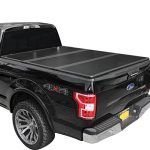
You load up your truck bed, go to secure your tonneau cover, and it happens: the latch won't catch, the panels are misaligned, or the mechanism just feels off. A tonneau cover that refuses to close properly is more than a minor annoyance; it's a security risk, a potential cause of water damage, and a frustrating end to an otherwise productive day. This common issue plagues truck owners with hard folding, soft rolling, retractable, and tri-fold models alike, often at the most inconvenient times.
Understanding why your tonneau cover is malfunctioning is the first step to a reliable, long-term fix. This guide matters because a properly functioning cover protects your cargo from theft and weather, improves fuel efficiency, and maintains your truck's value. You will learn to diagnose the root cause of the problem, from simple adjustments to more complex repairs, and gain the practical knowledge to get your cover sealing tightly and operating smoothly again, saving you time and a potentially costly service call.
Initial Diagnosis: Identifying the Symptoms
Before attempting any fixes, take a moment to observe the specific symptoms. A cover that "won't close" can manifest in several ways, and the exact behavior points to the underlying cause. Does the latch mechanism engage but not lock? Do the panels or vinyl seem to catch or bind before reaching the closed position? Is there a visible gap along the bed rails or at the tailgate, even when the latches are secured? Carefully open and close the cover several times, noting exactly where the process fails. Listen for unusual sounds like scraping, popping, or a hollow click instead of a solid thud.
For example, a hard tri-fold cover that latches but leaves a gap at the tailgate often indicates a misaligned striker plate or a worn seal. A soft roll-up cover that feels tight and difficult to roll may have a tension mechanism that is over-adjusted or a track clogged with debris. A retractable cover that stops retracting fully could be suffering from a misaligned guide or a failing spring mechanism. Documenting these details is crucial; it turns a vague problem into a specific, solvable issue.
Start your diagnosis with the simplest possibilities. Ensure the truck bed is empty of items that might be obstructing the cover's path. Check that the tailgate is fully closed and latched, as many covers are designed to seal against it. Verify that any bed liners or aftermarket accessories aren't interfering with the cover's rails or clamps. This process of elimination will often reveal an obvious obstruction, saving you from unnecessary disassembly or adjustment.
Common Culprits: Alignment and Obstructions
Misalignment is the single most frequent cause of a tonneau cover failing to close or seal properly. Over time, vibration from driving, temperature changes causing materials to expand and contract, and accidental bumps can shift the cover's components out of their precise positions. The main alignment points are the side rails, the latch strikers on the bulkhead or tailgate, and on folding models, the hinges between panels. Even a shift of a few millimeters can prevent latches from engaging or cause panels to bind.
Inspect the side rails where they clamp to the truck bed. Are they parallel to each other and sitting flush along the entire length? Look for any gaps between the rail and the bed lip. Next, examine the striker plates—the U-shaped or bar-shaped metal pieces the latches hook onto. They should be centered in the path of the latch hook. A simple test is to apply a dab of lip balm or chalk to the striker, attempt to latch the cover, and see where the mark transfers to the latch hook. If it's off-center, the striker needs adjustment.
For obstructions, go beyond large objects. Fine debris like sand, pine needles, and road grit can accumulate in the cover's tracks, channels, or latch assemblies, preventing full movement. Use a vacuum with a crevice tool and a soft brush to clean these areas thoroughly. Also, inspect the rubber weather seals along the cover and bed rails. A seal that has rolled over, become displaced, or has a tear can physically block the cover from sitting down fully. Gently reposition the seal and ensure it lies flat in its channel.
Mechanism-Specific Fixes: Latches, Tension, and Hardware
Different tonneau cover types have unique mechanisms that require targeted troubleshooting. For covers with rotary latches (common on hard folding models), the latch hook itself may be the issue. If the hook is loose on its pivot, it can wobble and miss the striker. Tighten the pivot screw. If the latch feels "mushy" and doesn't spring back with authority, the internal spring may be worn or broken, requiring replacement. Many manufacturers sell individual latch rebuild kits.
Roll-up covers, both soft and hard, rely on a tension system to keep the cover material taut and to assist with rolling. If the cover is too loose, it may not reach the front latch; if it's too tight, it can distort the rails or bind. Locate the tension adjustment points, usually at the front or sides of the canister. Refer to your owner's manual, but the general rule is to make small, incremental adjustments (e.g., a quarter-turn of a hex key) on both sides equally, then test the operation. The goal is smooth, effortless rolling with a secure close.
Hardware integrity is vital. Over hundreds of open/close cycles, bolts and screws can work loose. Systematically check all visible fasteners on rails, hinges, latch assemblies, and support bows. Use the correct size tool to avoid stripping. Apply a thread-locking compound (like Loctite Blue) to the threads before re-tightening to prevent future loosening. For folding covers, inspect the hinge pins and bushings for excessive wear that can cause panel sagging, which throws off the entire alignment.
Weather and Wear: Dealing with Seals and Material Issues
The elements are a constant adversary. Rubber weather seals harden, crack, and compress over time. A shrunken or hardened seal won't compress enough to allow the cover to latch fully, or it will fail to fill gaps, leading to the perception that the cover isn't "closed" properly. Inspect the entire perimeter seal. If it's brittle, cracked, or has lost its pliability, replacement is the only effective solution. Replacement seals are typically available from the cover manufacturer and are installed by pressing them into a channel.
On vinyl soft covers, material behavior is key. In cold weather, vinyl can stiffen and shrink, making it difficult to stretch to the front latch. In hot, direct sun, it can expand and become too pliable, it to sag. Allow the material to acclimate to ambient temperature before attempting adjustments. For persistent sag on a warm day, slightly increasing the side rail tension can help. For a retractable vinyl cover that won't close, the leading edge bar (the latching bar) may have detached from the vinyl material, requiring re-gluing or re-clamping per the manufacturer's instructions.
Long-term wear can also affect the closing mechanism. For retractable covers with a spring-assisted or cable-driven system, a loss of tension is common after years of use. This is a complex repair often involving disassembling the canister and should be approached with caution, following a detailed service guide. For hard panel covers, check that the support cables (if equipped) are intact and adjusted correctly. A broken or loose cable can allow a panel to drop, preventing the next panel from folding or latching properly.
When to Seek Professional Help and Preventative Maintenance
While many tonneau cover issues are owner-serviceable, recognize the limits of a DIY approach. If after careful alignment, cleaning, and adjustment the cover still will not close, or if you discover a broken internal component like a torsion spring, a shattered hinge, or a cracked panel, professional repair is the safest and most efficient path. Contact the cover manufacturer's customer service; they can provide technical guidance, warranty service, or direct you to an authorized installer/repair shop in your area. Attempting to repair high-tension components without proper tools and knowledge can lead to injury or further damage.
Implementing a simple preventative maintenance routine can drastically reduce the chances of future closing problems. Every three months, clean the cover's tracks and seals with a mild soap solution and a soft brush. Annually, inspect and tighten all hardware. Lubricate moving parts like latch mechanisms, hinge points, and roller bearings with a dry, silicone-based lubricant, which won't attract dirt and grime like wet oils. Avoid petroleum-based products as they can degrade rubber and vinyl.
Finally, always operate your cover as intended. Don't force it closed if it's binding, as this can bend components and compound the problem. In winter, clear ice and snow from the rails and seals before attempting to open or close. When installing or removing cargo, be mindful of the cover's panels or rolling path. Consistent, gentle care is the most effective strategy for ensuring your tonneau cover provides reliable, trouble-free service for years to come.
Key Takeaways
- ✓ Precise diagnosis of the symptom—whether it's misalignment, binding, or a failed latch—is essential before attempting any repair.
- ✓ Misaligned rails and striker plates are the most common causes of latching failure and can often be fixed with simple, careful adjustments.
- ✓ Regular cleaning of tracks and seals, along with periodic hardware tightening, prevents many closure issues before they start.
- ✓ Different cover types (roll-up, folding, retractable) have unique mechanisms that require specific troubleshooting approaches.
- ✓ Know when to call a professional, especially for internal spring mechanisms or structural damage, to ensure safety and prevent voiding warranties.
Frequently Asked Questions
My tonneau cover latches but still has a gap at the tailgate. What's wrong?
This is almost always an alignment issue. The striker plates on the tailgate or bulkhead are likely too low or too far forward/backward. Adjust them incrementally upward or inward toward the bed. Also, check that the tailgate itself is closing fully and that its seals are intact, as a misaligned tailgate will prevent the cover from seating properly.
Can cold weather cause my tonneau cover to not close?
Absolutely. Extreme cold causes vinyl to shrink and stiffen and can make rubber seals hard and less pliable. This can prevent latches from reaching or seals from compressing. If possible, let the cover warm up (park in the sun or a garage) before operation. Avoid forcing it, as cold materials are more brittle and prone to cracking.
The latches on my tri-fold cover feel loose and won't lock securely. Can I fix this?
Yes, this is a common wear issue. First, check if the latch hook is loose on its pivot and tighten the screw. If the latch still feels weak, the internal spring is likely worn out. Most major brands sell latch rebuild kits that include new springs and pins. Replacing these internal components can restore a like-new, secure feel.
How do I adjust the tension on my roll-up tonneau cover?
Locate the tension adjustment mechanisms, which are typically hex-key bolts on the sides of the roll-up canister at the front of the bed. Turn both sides equally in small increments (e.g., a quarter-turn clockwise to increase tension). Test the roll-up and closing action after each adjustment. The goal is smooth operation without excessive force.
I've tried everything and my cover still won't close. What should I do next?
Stop forcing it to avoid further damage. Document the issue with photos or a video. Then, contact the manufacturer of your tonneau cover directly with your model number and serial number ready. They have technical support teams who can provide model-specific guidance, determine if it's a warranty issue, and locate an authorized service provider near you.
Conclusion
A tonneau cover that refuses to close properly is a solvable problem. By methodically working through diagnosis—from checking for obstructions and cleaning tracks to realigning components and inspecting hardware—you can identify and correct the vast majority of issues yourself. Understanding the specific needs of your cover type, whether it's a folding, rolling, or retractable model, empowers you to perform targeted maintenance and adjustments that restore seamless functionality.
Do not view this as a one-time fix, but as part of an ongoing relationship with your truck's accessory. Implementing the simple preventative maintenance steps outlined here will greatly extend the life and performance of your tonneau cover. Start with a thorough inspection today, address any minor misalignments or loose hardware, and establish a seasonal cleaning routine. Your reward will be a secure, weather-tight, and reliably operating cover that protects your investment for every journey ahead.

Tony Kilmer is an auto mechanic and the author behind CarTruckAdvisor.com. He shares practical, no-nonsense guidance on car and truck maintenance, common problems, and repair decisions—helping drivers understand what’s going on and what to do next.