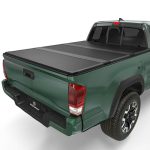
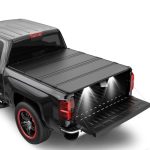
You’ve invested in tools, gear, or valuable equipment, loaded it into your truck bed, and secured a sleek tonneau cover over it. As you walk away, a nagging question lingers: Is my cargo actually safe, or is that cover just an invitation to a savvy thief? In an era where organized retail crime spills into parking lots and residential streets, understanding the security of your truck bed cover is not just about convenience—it’s about protecting your assets and your peace of mind.
This article cuts through the marketing claims to deliver a clear-eyed assessment of tonneau cover security in 2026. We will dissect the different types of covers, from basic vinyl to hardcore aluminum, and evaluate their true resistance to theft. You will learn not just about the covers themselves, but about the critical role of installation, supplemental security, and smart practices. By the end, you’ll have a comprehensive strategy to transform your truck bed from a vulnerable box into a significantly more secure storage space.
The Security Spectrum: Soft vs. Hard Tonneau Covers
The fundamental divide in tonneau cover security lies in the construction material: soft or hard. Soft covers, typically made from vinyl or canvas stretched over a folding frame, offer minimal theft protection. Their primary purpose is weather resistance and improved aerodynamics. A determined thief can easily slash through the material with a utility knife in seconds, gaining full access to your bed. Even models with locking tailgate clamps are vulnerable, as the cover itself provides no barrier to a blade. Think of a soft cover as a deterrent against opportunistic "smash-and-grab" crimes, but utterly ineffective against any premeditated theft.
Hard covers, constructed from materials like aluminum, fiberglass, or reinforced polymer, represent a significant security upgrade. These covers act as a physical barrier that cannot be silently or quickly breached without tools. Folding hard covers feature rigid panels, while retractable models use a solid slat system. One-piece hard shells offer the most seamless barrier. The security of a hard cover, however, is heavily dependent on its locking mechanism. A robust panel is useless if the latch can be easily pried open or if the cover isn't properly secured to the truck bed rails. The material alone is a major step up, but it's only one part of the security equation.
For practical advice, always prioritize a hard cover if security is a primary concern. Within the hard cover category, examine the thickness and composition of the panels. Aluminum panels around 1/2-inch thick are highly resistant to prying and impact. When shopping, physically press on display models; a cover that flexes easily under hand pressure will be easier for a thief to compromise. Remember, a hard cover transforms your bed from a cloth-top convertible into a metal-topped sedan—it's a stronger shell, but the locks on the doors still matter most.
The Weakest Link: Locking Mechanisms and Installation
A thief doesn't need to break the cover if they can bypass the lock. Therefore, the locking mechanism is the most critical component of any tonneau cover's security profile. Most quality hard covers integrate with your truck's existing tailgate lock. When you lock your tailgate with the key fob, it prevents the cover from being opened at the tailgate seam. This is a and effective feature, but it has a glaring vulnerability: it does nothing to secure the sides and front of the cover. A thief can potentially unscrew or pry up the side clamps, allowing them to lift the entire cover off the bed rails without ever touching the tailgate lock.
This is where installation and design details become paramount. High-security covers feature internal clamping systems that are inaccessible when the cover is closed. Others may include dedicated keyed locks at the sides or front, creating multiple points of security. The method of attachment to the bed rails is crucial. Systems that use bolts drilled into the rails are generally more secure than those relying on adjustable tension clamps alone, which can be forced. Always follow the manufacturer's installation instructions meticulously, ensuring every bolt is tightened to specification and every seal is properly aligned.
To maximize security, look for covers that advertise "bed rail security" or "multi-point locking." After installation, conduct your own security audit. With the cover closed and locked, try to wiggle it at the corners and along the sides. Can you insert a flat tool and feel a clamp? If so, consider adding supplemental security like a cable lock threaded through the cover's frame and around the bed rail. The goal is to eliminate easy points of entry, forcing a thief to make significant noise and use multiple tools, which increases their risk of getting caught.
Beyond the Cover: Layered Security for Ultimate Protection
No tonneau cover, regardless of cost or construction, is 100% theft-proof. The most effective strategy is to adopt a layered security approach, treating the cover as the first of several barriers. This mindset, often called "security in depth," significantly raises the effort and time required for a successful theft, deterring all but the most relentless criminals. Your truck's factory alarm system is the second layer. Ensure it is activated and in good working order. Some advanced covers can even be integrated with aftermarket alarm sensors that trigger if the cover is disturbed.
Inside the bed, use additional physical anchors. For example, a heavy-duty truck bed security box or a crossbed tool chest bolted directly to the bed floor provides a secondary, robust container within the already-secured space. For loose items, use a cable lock system to tether gear to the bed's built-in tie-down points. This makes grabbing and going impossible. Another effective layer is a tailgate lock. Since many covers rely on the tailgate being locked, a supplemental, hardened steel tailgate lock prevents the entire entry point from being removed easily.
Practical implementation is key. Start with the most valuable items: lock them in a bed box that is itself bolted down. Then, use cable locks for equipment. Finally, ensure the hard tonneau cover is engaged and your truck alarm is set. Consider adding a visible deterrent, such as a bright, motion-activated LED light inside the bed (visible through a translucent cover) or a simple decal stating "All Valuables Removed." This layered approach turns your truck bed into a fortress, where each layer adds minutes of work and risk for a thief.
The Human Factor: Behavioral Practices for Cargo Safety
The most sophisticated cover and lock system can be undermined by poor habits. Your behavior is a crucial, often overlooked, component of cargo security. The principle of "out of sight, out of mind" is powerful. A closed tonneau cover, even a soft one, hides your cargo from casual view, eliminating the temptation for a crime of opportunity. However, consistently leaving high-value items in your truck overnight, even with a hard cover, is an unnecessary risk. Treat your truck bed like the trunk of a car—a temporary holding area, not a permanent storage unit.
Be mindful of your parking choices. Whenever possible, park in well-lit, high-traffic areas, or in a locked garage. When parking in public, back your truck against a wall or barrier, making it physically difficult for someone to access the tailgate. Avoid leaving your truck for extended periods in the same isolated spot if it contains tools or equipment. Thieves often scout job sites and neighborhoods, identifying vehicles that are regularly loaded with valuable trade tools. Varying your routine and parking location can disrupt their plans.
Develop a quick "security check" routine. Before walking away from your vehicle, physically tug on the cover to confirm it's latched. Listen for the distinct "clunk" of your tailgate locking. Make it a habit to remove the absolute most valuable items every single time. For example, never leave a laptop bag or a designer suitcase visible or even hidden under a cover for long periods. By combining smart technology with smart practices, you actively manage the risk profile of your parked truck, making yourself a far less appealing target.
Evaluating Claims and Choosing the Right Cover for Your Needs
In 2026, marketing language like "theft-resistant," "secure," and "lockable" is ubiquitous. It is your job to interrogate these claims. A cover advertised as "lockable" may only have a simple cam lock at the tailgate, while a "theft-resistant" model might feature aircraft-grade aluminum panels with internal dual-point latching. Read the technical specifications, not just the promotional headlines. Look for details about panel thickness, lock type (keyed, cable-actuated, integrated), and clamping system design. Independent reviews and long-term user testimonials are invaluable resources for real-world security performance.
Your choice must balance security, functionality, and budget. Ask yourself key questions: What is the true value of what I typically carry? Do I need full, unimpeded bed access (favoring a retractable or folding model), or is maximum security for occasional use my priority (favoring a one-piece hard shell)? For a contractor carrying thousands in tools daily, investing in a high-end, multi-point locking hard cover, a bed vault, and a tailgate lock is a business necessity. For a weekend adventurer carrying camping gear, a mid-range tri-fold hard cover combined with cable locks may provide ample security.
Ultimately, view the purchase as part of a system. Allocate your budget accordingly. It may be wiser to choose a mid-tier hard cover and use the savings to install a tailgate lock and a set of heavy-duty cable locks, rather than stretching your budget for the most expensive cover alone. Remember that the security ecosystem—cover, locks, bed anchors, and alarm—works synergistically. By making an informed choice based on your specific risk level and usage patterns, you achieve effective protection without overspending on features you don't need.
Key Takeaways
- ✓ No tonneau cover is completely theft-proof; security exists on a spectrum from minimal (soft covers) to high (hard covers).
- ✓ The locking mechanism and installation quality are often more critical to security than the cover material alone.
- ✓ A layered security approach combining a hard cover, bed anchors, cable locks, and your vehicle alarm is the most effective strategy.
- ✓ Your behavior, including parking choices and removing high-value items, is a vital component of protecting your cargo.
- ✓ Evaluate marketing claims carefully by reviewing technical specs for lock types, panel thickness, and clamping systems to match the cover to your specific needs.
Frequently Asked Questions
Can a thief cut through a hard tonneau cover?
It is extremely difficult and time-consuming. While a very determined thief with specialized power tools like an angle grinder could eventually breach an aluminum or fiberglass panel, it would create tremendous noise, sparks, and take several minutes. This high-effort, high-visibility act makes it unlikely compared to simply slashing a soft cover. Most hard covers are designed to resist prying, drilling, and forceful impacts from common hand tools.
Does locking my tailgate make my tonneau cover secure?
It secures only one point of entry—the rear seam where the cover meets the tailgate. A quality hard cover that integrates with the tailgate lock effectively prevents the cover from being opened at that seam. However, it does not prevent someone from attempting to remove the entire cover by defeating the side clamps or rails. For true security, the cover should have its own supplemental locking points or an internal clamping system inaccessible when closed.
Are retractable tonneau covers more or less secure than folding hard covers?
They can be equally secure, depending on the model. High-end retractable covers use interlocking, rigid aluminum slats that form a solid barrier and feature a robust locking mechanism at the canister and tailgate. Their potential vulnerability lies in the canister itself; if mounted within the bed, it takes up space, but if it's a low-profile design, ensure it is firmly bolted down. A folding tri-fold hard cover’s security depends on the strength of its panel hinges and latches. Both types, when from reputable brands, offer excellent security.
What is the single most important feature to look for in a secure tonneau cover?
An internal or inaccessible locking/clamping system. Covers that require a key to access the side or front clamps, or that use clamps that are hidden and unreachable when the cover is closed and locked, are far superior. This design prevents a thief from simply loosening a few thumb-screws or prying a visible lever to lift the entire cover off your truck. Always prioritize the design of the attachment and locking system over aesthetic features.
Will my insurance premiums go down if I install a secure tonneau cover?
It is possible, but not guaranteed. Many insurance companies offer discounts for anti-theft devices. A professionally installed, high-security hard cover may qualify as such a device. You must contact your insurance provider directly, provide details (and sometimes proof of installation) of the specific model, and ask if it qualifies for a discount. Even without a direct premium reduction, it can strengthen your claim if a theft does occur, demonstrating you took reasonable steps to secure your property.
Conclusion
Securing your truck bed is a multifaceted challenge that goes beyond simply clicking a cover into place. As we've explored, the question "are tonneau covers theft proof?" has a nuanced answer: they range from being a visual deterrent to forming a core part of a formidable defensive system. The security of your cargo hinges on the type of cover you choose, the robustness of its locks and installation, the supplemental layers of security you add, and the prudent habits you develop. In 2026, with advances in materials and locking technology, you have more tools than ever to protect your investment.
Therefore, view your tonneau cover not as a standalone solution, but as the foundational layer of a comprehensive security strategy. Assess your individual risk, invest in a quality hard cover that matches your needs, and build outward with anchors, cables, and alarms. Finally, never underestimate the power of vigilance and smart practices. By taking these proactive steps, you can confidently use your truck for its intended purpose, knowing you’ve done everything reasonable to keep your cargo where it belongs—with you.

Tony Kilmer is an auto mechanic and the author behind CarTruckAdvisor.com. He shares practical, no-nonsense guidance on car and truck maintenance, common problems, and repair decisions—helping drivers understand what’s going on and what to do next.