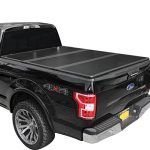
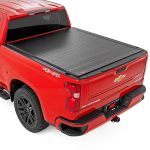
You invested in a sleek tonneau cover to protect your truck bed from the elements and improve fuel efficiency, but did you consider it as the first line of defense against theft? In an era where cargo theft remains a persistent and costly issue, a tonneau cover is more than an accessory; it's a critical security component. However, not all covers are created equal, and a false sense of security can be more dangerous than no cover at all. This article will transform how you view and utilize your tonneau cover, moving it from a simple lid to a robust anti-theft barrier.
Understanding the vulnerabilities of your truck bed and how to fortify them is essential for every truck owner, from the weekend warrior to the professional contractor. A stolen toolbox, camping gear, or job site materials can result in thousands of dollars in losses and significant personal disruption. We will delve into the mechanics of tonneau cover security, explore the strengths and weaknesses of different styles, and provide actionable, step-by-step strategies to deter even the most determined thieves. By the end, you'll have a comprehensive security plan that integrates your cover with other protective measures.
Understanding the Threat: How Thieves Target Truck Beds
The first step in effective prevention is understanding the adversary. Modern thieves are often quick, opportunistic, and equipped with simple tools. A common misconception is that a locked tonneau cover is impenetrable. In reality, many thefts are crimes of convenience where a thief will simply test for weakness. They may jiggle latches, look for loose panels, or apply pressure to see if a cover can be pried open without causing a loud noise. The goal is to access the bed, grab valuable items, and disappear in under a minute, often in broad daylight crowded parking lots.
Thieves exploit specific vulnerabilities depending on the cover type. For soft roll-up covers, a sharp blade is the primary threat, allowing a thief to slit the vinyl or canvas and reach inside. For hard folding or retractable covers, the locking mechanisms and the seals where the cover meets the truck bed rail are the critical points of attack. A thief may use a flathead screwdriver or a specialized "jimmy" tool to pop open a mechanical latch or exploit a worn-out seal to gain leverage. Even high-end covers can be compromised if the tailgate is not secured, as it often provides the easiest entry point.
To assess your own risk, conduct a "thief's eye view" of your truck. Park as you normally would and walk around it. What is visible through any gaps or windows in the cover? Are the latches clearly accessible and do they look robust? Can you wiggle the cover it's locked? Does the tailgate have play in it? This simple exercise will highlight your most glaring vulnerabilities. Remember, the appearance of security is a powerful deterrent. A cover that looks difficult to breach will often encourage a thief to move on to an easier target.
Choosing the Right Cover: Security Features to Prioritize
If you are in the market for a new tonneau cover, prioritizing security features from the start is the most effective strategy. Not all covers offer the same level of protection, and the most secure options are engineered with anti-theft as a core design principle. Look for covers that are advertised as "hard-top," "locking," and that specifically mention robust materials like aluminum or reinforced polymer. The construction material is your first line of defense; a thick, double-walled aluminum panel is far more resistant to prying and cutting than a single layer of vinyl.
The locking system is the heart of cover security. Integrated latching systems that automatically lock when the cover is closed are superior to manual, keyed locks at each latch point. Seek out covers with T-handle locks that engage with the truck's bed rail system, creating a unified lock point that is difficult to access from the outside. Furthermore, premium covers often feature slam-lock technology, where the act of closing the cover engages the lock, eliminating the chance of human error. Always verify that the locking mechanism is made of hardened steel, as softer metals can be easily cut or forced.
Beyond the cover itself, consider how it integrates with your vehicle. The most secure setups create a sealed, monolithic unit. Some high-end retractable and hard folding covers come with side rails that bolt directly into the truck bed, making the entire assembly more rigid and resistant to forced entry. Also, investigate covers that are compatible with a tailgate lock. A locked tonneau cover is useless if a thief can simply drop your tailgate. Choosing a cover designed to work in tandem with your truck's existing or aftermarket tailgate lock creates a comprehensive security enclosure.
Fortifying Your Existing Cover: Practical Anti-Theft Upgrades
You don't necessarily need to buy a new, expensive cover to significantly improve your security. There are numerous effective and affordable upgrades you can make to your current setup. Start with the weakest link: the tailgate. Installing an aftermarket electronic or mechanical tailgate lock is one of the single best security investments you can make. These devices prevent the tailgate from being opened unless unlocked with a key fob or key, effectively sealing the rear entrance even if your cover's latches are bypassed.
Next, examine your cover's latches and mounting points. For soft covers, consider adding padlock hasps or aftermarket locking clamps to the side rails. For hard covers with manual locks, you can often upgrade the locking cylinders to more pick-resistant models. Additionally, you can install secondary security cables or straps that run from the inside of the cover to a fixed point in the truck bed. These won't stop a determined thief with time, but they create a significant obstacle and noise if the cover is tampered with, acting as a powerful deterrent.
Finally, enhance the physical barrier. For soft tonneau covers, adding a bed mat or a sheet of plywood cut to fit the bed floor can prevent "slash-and-grab" thefts. A thief's knife cannot easily snag and cut through a hard surface beneath the vinyl. You can also apply protective film to vinyl windows on tri-fold covers to make them more resistant to puncturing. For all cover types, using bright, motion-activated LED lights inside the bed, triggered when the cover is opened, can startle a thief and draw immediate attention to the crime in progress.
The Layered Defense Strategy: Beyond the Tonneau Cover
Maintenance and Mindset: The Habits of a Secure Owner
The best security hardware in the world is ineffective without proper maintenance and vigilant habits. A cover with loose bolts, a sticky latch, or worn-out weather seals is a vulnerable cover. Establish a routine of inspecting your tonneau cover every time you wash your truck. Check that all mounting bolts are tight, lubricate moving parts and locks with a graphite-based lubricant (not WD-40, which can attract dirt), and ensure the sealing gaskets are intact and pliable. A well-maintained cover functions as intended and presents a formidable appearance.
Your daily mindset is equally crucial. Make it a non-negotiable habit to lock cover every single time you exit the vehicle, even if you're "just running in for a minute." Opportunistic theft happens in seconds. Be mindful of what you discuss in public; avoid announcing that you have expensive equipment in your truck bed. When you must leave items overnight, take a moment to double-check that all layers of your security system are engaged: cover locked, tailgate locked, storage boxes secured, and vehicle alarm set.
Finally, have a plan for inevitable situations. If your primary lock fails, have a backup locking method ready, like a sturdy padlock and hasp. Keep a record of your cover's model and serial number, and take photos of your cargo setup. In the unfortunate event of a theft, this information is invaluable for police reports and insurance claims. By combining consistent maintenance with proactive habits, you transform your security setup from a static collection of devices into a dynamic and reliable system.
Key Takeaways
- ✓ A tonneau cover is a deterrent, not a guarantee; its effectiveness depends on type, build quality, and integration with other locks.
- ✓ The tailgate is a major vulnerability; securing it with a dedicated lock is as important as locking the cover itself.
- ✓ Employ a "layered defense" strategy that combines physical cover security with visibility management, smart parking, and technological aids.
- ✓ Regular maintenance of latches, seals, and moving parts is essential to ensure your cover's anti-theft features function properly.
- ✓ Cultivate vigilant habits, including always locking the cover and tailgate, and never leaving high-value items visibly accessible.
Frequently Asked Questions
Can a thief easily cut through a soft tonneau cover?
Yes, a sharp knife can quickly slit a standard vinyl or canvas soft cover. This is their primary weakness. To mitigate this, choose a soft cover made from reinforced, slash-resistant fabric, and always place a hard barrier (like a locked toolbox or a sheet of plywood) directly under the cover where valuables are stored to block a thief's hand.
Is a hard tri-fold tonneau cover completely theft-proof?
No cover is completely theft-proof. While hard tri-fold covers are significantly more secure than soft covers, they can still be vulnerable. Thieves may target the locking mechanisms or try to pry the panels apart if not fully sealed. Their security is greatly enhanced when paired with a tailgate lock and installed with robust, tamper-resistant hardware.
How do I lock my tailgate if my truck didn't come with a factory lock?
You can install an aftermarket tailgate lock. These come in two main types: mechanical locks that replace your tailgate handle and require a key, and electronic locks that can be operated from your key fob, often tying into your vehicle's central locking system. Installation is generally straightforward for most truck models.
Are electric tonneau covers more secure than manual ones?
Electric covers offer convenience and often have robust automatic locking systems. Their security can be high, but it depends on the build quality and the strength of the motorized latches. A potential downside is reliance on your vehicle's battery; if the power fails, you need a manual override. A high-quality manual lock with hardened steel components can be equally secure.
What should I do immediately if my truck bed is broken into?
First, do not touch anything to preserve potential evidence. Contact the police to file an official report. Then, document the scene with photos and make a detailed list of stolen items, including serial numbers if you have them. Finally, contact your insurance company with the police report number and your documentation to begin the claims process.
Conclusion
Securing your truck bed requires a shift from passive protection to active defense. As we've explored, this involves choosing a tonneau cover with robust, integrated locking features, methodically fortifying its inherent weaknesses—especially the tailgate—and building outward with a layered strategy of smart storage, environmental awareness, and technology. Your cover is the cornerstone of this system, but its true strength is realized through complementary upgrades and consistent, vigilant habits.
Start your security overhaul today. Conduct the "thief's eye view" inspection of your current setup. Identify your single biggest vulnerability, whether it's an unsecured tailgate, a flimsy latch, or the habit of leaving tools in plain sight, and take action to address it. Investing time and resources into these measures is an investment in your peace of mind and financial well-being. In 2026, let your secured truck bed stand as a testament to preparedness, deterring theft and safeguarding what you value most.

Tony Kilmer is an auto mechanic and the author behind CarTruckAdvisor.com. He shares practical, no-nonsense guidance on car and truck maintenance, common problems, and repair decisions—helping drivers understand what’s going on and what to do next.