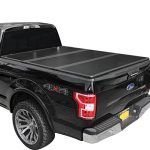
You've just invested in a sleek new tonneau cover to protect your truck bed and improve fuel efficiency. As you admire the clean look, a practical question surfaces: how many seasons of sun, rain, and hauling can this cover realistically withstand before it needs replacement? The answer isn't a simple number of years, but rather a complex equation of material, maintenance, and environment. Understanding this equation is the key to getting the most value from your purchase and avoiding premature failure.
This topic matters because a tonneau cover is a significant investment for any truck owner, ranging from a few hundred to over two thousand dollars. Knowing its expected lifespan helps you make an informed buying decision, set realistic expectations, and implement care routines that can add years of service. In this article, you will learn the average lifespans of different cover types, the primary factors that accelerate wear and tear, and actionable maintenance strategies to ensure your cover remains functional and attractive for as long as possible. We'll also explore signs of failure and provide guidance on when repair or replacement is the most sensible choice.
Average Lifespans by Material and Type
The lifespan of a tonneau cover varies dramatically based on its construction material and operating mechanism. A basic vinyl roll-up cover has a fundamentally different durability profile than a hard-folding aluminum model. On average, with moderate use and basic care, you can expect the following general lifespans. Soft covers, made from materials like vinyl or canvas, typically last between 3 to 7 years. Their vulnerability lies in the fabric and stitching, which can degrade from UV exposure and physical stress. Within this category, a tri-fold vinyl cover might be on the lower end, while a high-end, marine-grade canvas roll-up could push toward the upper limit.
Hard covers, constructed from aluminum, fiberglass, or reinforced polymer, boast significantly longer average lifespans, generally ranging from 7 to 15 years or more. A hard-folding cover with aluminum panels and robust hinges is built to endure. Retractable covers, which are often hard-shelled but feature complex mechanical systems, have a dual lifespan consideration: the shell itself may last 10+ years, but the internal tracks, springs, or cables may require service or replacement sooner, around the 5 to 8-year mark. It's crucial to note that these are estimates for the core structure; components like seals, latches, and gas struts often have shorter service intervals.
Practical advice starts with aligning your purchase to your long-term needs. If you plan to keep your truck for a decade, investing in a high-quality hard cover is a financially sound decision, amortizing the cost over many years. For shorter-term ownership or tighter budgets, a well-regarded soft cover can provide excellent service. Always check the manufacturer's warranty as a benchmark; a company offering a 5-year warranty on a soft cover or a 10-year warranty on a hard cover is signaling their confidence in the product's longevity under normal conditions.
Key Factors That Determine Longevity
While material sets the baseline, the actual lifespan of your tonneau cover is dictated by several interacting factors. The most relentless is environmental exposure. Ultraviolet (UV) radiation from the sun is the primary enemy, breaking down vinyl, fading colors, and making fabrics brittle. Coastal owners face the added corrosive effect of salt air, which can attack metal hinges and fasteners. Extreme temperature swings, from freezing winters to scorching summers, stress seals and materials, causing them to expand, contract, and potentially crack over time.
Usage patterns and care are equally critical. A cover that is opened and closed multiple times daily will experience more wear on hinges, straps, and latches than one used weekly. How you treat it matters; yanking a frozen roll-up cover or forcing a latch clogged with ice can cause immediate damage. The contents of your truck bed also play a role; hauling loose gravel, mulch, or corrosive materials without a protective liner can lead to scratches, abrasions, and chemical damage to the cover's underside and seals. Even the way you drive matters, as highway speeds create significant wind lift that tests the cover's clamping system.
To maximize lifespan, you must be proactive. Consider your local climate and, if possible, park in a garage or under a carport to mitigate constant UV and weather exposure. Develop gentle usage habits, especially in extreme weather. Installing a bed liner or mat is not just for the truck bed; it protects the underside of your cover from scuffs and debris. Finally, understand that no cover is indestructible; recognizing that these factors are at work allows you to monitor for early signs of wear and address them before they lead to complete failure.
Essential Maintenance and Care Routines
Proactive maintenance is the single most effective way to extend the life of your tonneau cover beyond its average expectancy. This doesn't require hours of labor, but rather consistent, simple routines. First and foremost is cleaning. Wash the cover regularly with a mild automotive soap and a soft cloth or sponge, removing dirt, pollen, and bird droppings that can degrade the surface. For vinyl and fabric soft covers, apply a UV-protectant conditioner every three to six months. This product replenishes oils and creates a barrier against the sun, preventing drying, cracking, and fading.
The second pillar of maintenance is caring for the moving parts and seals. All hinges, locks, and latches should be lubricated at least twice a year with a silicone-based lubricant, which won't attract dirt like petroleum-based products. Pay special attention to the rubber or foam seals around the perimeter of the cover. Keep them clean and apply a rubber protectant (like 303 Rubber Seal Protectant) to prevent them from drying out, cracking, and losing their ability to keep water out. Before winter, ensure seals are pliable and tracks are clear of debris to prevent ice-related damage.
Third, conduct seasonal inspections. In spring and fall, take ten minutes to thoroughly inspect your cover. Look for loose bolts or clamps and tighten them. Check for small tears in vinyl, fraying stitches on soft covers, or hairline cracks in hard panels. Examine the drainage tubes on roll-up or retractable covers to ensure they are not kinked or clogged, as trapped water can cause interior damage or mold. Addressing these minor issues immediately—with a vinyl repair kit or by tightening hardware—can prevent them from evolving into major, cover-ending failures.
Signs It's Time for Repair or Replacement
Even with excellent care, all tonneau covers will eventually show signs of aging that signal the need for intervention. Recognizing these signs helps you decide between a cost-effective repair and a necessary full replacement. The most common sign is persistent water leakage. While no cover is 100% waterproof, a new one should be highly water-resistant. If you start finding significant pools of water in your bed after every rainstorm, the seals are likely compromised. For hard covers, seal replacement is often a straightforward fix. For old soft covers, degraded fabric around the seals may make repair impractical.
Structural and functional failures are clear indicators. For soft covers, this includes large tears, broken stitching that cannot be re-stitched, or a vinyl surface that has become chalky, brittle, and cracks at the slightest touch. For hard covers, look for broken hinges, panels that will no longer latch securely, or a retractable mechanism that jams or fails to retract smoothly. A cover that no longer sits flush, creating excessive wind noise or "ballooning" at highway speeds, has likely suffered a failure in its clamping or tensioning system. These issues often compromise safety and security.
The decision to repair or replace hinges on cost, age, and coverage. If the cover is under warranty, always contact the manufacturer first. For a high-end hard cover that is only five years old, replacing a $150 latch assembly is a smart investment. Conversely, if a seven-year-old vinyl tri-fold cover needs new fabric, new seals, and new latches, the repair cost may approach or exceed the price of a brand-new cover. At this point, replacement is the more sensible option, offering updated technology, a fresh warranty, and renewed peace of mind.
Future-Proofing Your Next Purchase
Armed with knowledge about lifespan and care, you can make a smarter purchase when the time comes for a new tonneau cover. Future-proofing starts with selecting a cover that matches your long-term climate and usage. If you live in Arizona, prioritize UV resistance and perhaps lean toward a hard, painted-aluminum cover over vinyl. In the Pacific Northwest, excellent sealing and mold-resistant materials should be high on your checklist. Consider your typical cargo; if you frequently haul dirty or sharp-edged items, a rugged, scratch-resistant finish is a must.
Investigate the manufacturer's reputation and warranty with a critical eye. A robust warranty (e.g., 5+ years on soft covers, 10+ years on hard covers) is a strong indicator of expected durability and the company's commitment to standing behind their product. Read reviews specifically addressing long-term ownership, not just initial impressions. Look for comments about customer service responsiveness for parts, as you may need a replacement latch or seal panel years down the line. Choosing a brand with a strong parts supply chain is an investment in future repairability.
Finally, factor in installation quality and potential accessories. A cover installed correctly, with proper alignment and tension, will last longer and perform better than one that is slightly off-kilter. Whether you install it yourself meticulously or have it professionally done, correct installation is non-negotiable. Consider accessories like a tailgate seal kit or a bulkhead seal to enhance the cover's performance from day one. By making an informed, deliberate choice, you are not just buying a cover for today, but securing a protective asset for your truck for many years to come.
Key Takeaways
- ✓ The average lifespan of a tonneau cover ranges from 3-7 years for soft vinyl/fabric models to 7-15+ years for hard aluminum or fiberglass models.
- ✓ UV exposure, climate extremes, usage frequency, and lack of maintenance are the primary factors that shorten a cover's service life.
- ✓ Regular cleaning, UV protectant application, lubrication of moving parts, and seal conditioning can significantly extend the lifespan of any cover.
- ✓ Signs you need a new cover include major leaks, brittle/cracked vinyl, broken stitching, failed latches, and persistent mechanical jams in retractable models.
- ✓ To maximize longevity from the start, choose a cover suited to your local climate, prioritize robust warranties, ensure professional installation, and commit to simple, consistent maintenance.
Frequently Asked Questions
Can I make my old, leaky tonneau cover waterproof again?
You can significantly improve water resistance, but achieving perfect waterproofing on an aged cover is difficult. Start by thoroughly cleaning all seals and the truck bed rails. Apply a rubber conditioner to rejuvenate the seals. Check and tighten all clamps and bolts to ensure a tight fit. For persistent leaks at specific points, aftermarket seal kits or adhesive-backed foam tape can help. However, if the cover fabric or panels themselves are warped or degraded, these fixes will only be a temporary solution.
Is a more expensive tonneau cover always longer-lasting?
Generally, yes, but with important caveats. A higher price typically buys better materials (e.g., marine-grade vinyl vs. standard, powder-coated aluminum vs. painted), more robust hardware, and better engineering. These directly contribute to longevity. However, you must still perform basic maintenance. A $2000 cover neglected in the sun will fail faster than a $500 cover that is meticulously cared for. Research the specific materials and warranty to ensure the premium price translates to premium durability for your needs.
How does a tonneau cover's warranty relate to its actual lifespan?
A warranty is a manufacturer's guarantee against defects in materials and workmanship, not a promise of how long the product will last under all conditions. However, it is a strong proxy for expected lifespan. A company offering a 10-year warranty on a hard cover has engineered and tested it to likely last at least that long with normal use. Always read the warranty details, as prorated warranties offer less coverage over time, and exclusions for "weathering" or "UV damage" are common on soft covers.
What usually fails first on a retractable tonneau cover?
The mechanical components often fail before the shell. The most common points of failure are the internal springs or cables that assist with retraction, which can wear out or snap. The guide tracks can become clogged with debris, causing the cover to jam. The seals along the sides can degrade, leading to leaks. The shell itself is typically very durable, so investing in a retractable cover from a brand known for good customer service and available replacement parts is crucial for long-term ownership.
Should I remove my tonneau cover in the winter?
It is not necessary to remove it, and leaving it on provides protection from snow and ice. However, winter requires special care. Never force a cover open if it is frozen shut; use a de-icer spray on the seals and locks. Keep the tracks and drainage channels clear of ice and debris. Ensure the cover is completely dry before rolling or folding it away in freezing temps, as trapped moisture can freeze and damage internal components. Applying a rubber seal conditioner in late fall helps keep seals pliable in the cold.
Conclusion
The lifespan of your tonneau cover is not a fixed number but a reflection of the choices you make, from the initial purchase to the daily care it receives. We've explored how materials set the stage, with soft covers offering a shorter, more economical service life and hard covers providing a decade or more of rugged protection. The relentless forces of sun, weather, and use constantly test your cover, but through simple, consistent maintenance—cleaning, conditioning, and lubricating—you can actively combat these forces and add years of functional life to your investment.
Ultimately, a tonneau cover is a guardian for your truck bed. By learning to recognize the signs of wear, making informed decisions about repairs, and choosing your next cover with longevity in mind, you ensure this guardian performs its duty effectively for as long as you own your truck. Start today: give your cover a quick inspection, order some UV protectant, and commit to a simple care routine. Your truck, and your wallet, will thank you for many miles down the road.

Tony Kilmer is an auto mechanic and the author behind CarTruckAdvisor.com. He shares practical, no-nonsense guidance on car and truck maintenance, common problems, and repair decisions—helping drivers understand what’s going on and what to do next.