You just dropped a significant sum on a new truck, and now you're staring at the open bed, wondering how to best protect your gear, improve your fuel economy, and enhance the vehicle's look. The salesperson mentioned a tonneau cover, but is it just another expensive accessory, or a genuinely smart investment? In 2026, with advancements in materials, security, and smart integration, this question is more relevant than ever for truck owners.
This article will cut through the marketing hype and provide a clear, data-driven analysis of the modern tonneau cover's value proposition. We will explore the latest 2026 models, weigh the tangible benefits against the costs, and examine how new technologies have transformed this classic truck accessory. By the end, you'll have all the information needed to decide if adding a tonneau cover is the right move for your lifestyle and wallet.
The 2026 Tonneau Cover Landscape: Beyond Basic Tarps
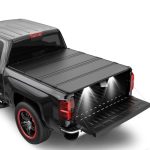
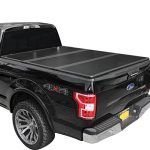
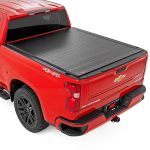
Gone are the days when a tonneau cover was simply a vinyl sheet stretched over the bed. In 2026, the market offers a sophisticated array of options designed for specific needs and budgets. The primary categories remain: soft roll-up, tri-fold, hard folding, retractable, and one-piece hard shells. However, each category has seen significant refinement. Soft covers now often feature advanced multi-layer fabrics with UV inhibitors and mildew resistance, making them more durable than ever. Hard folding covers have embraced lighter, stronger aerospace-grade aluminum alloys and composite polymers, reducing weight without sacrificing security.
The most notable evolution is in the integration of technology. Several premium 2026 models feature integrated LED lighting within the cover's underside, illuminating the bed at night. Others incorporate water management systems with patented drainage channels that are virtually leak-proof, a common pain point of older designs. Furthermore, the rise of "smart" truck beds has led to covers that can interface with your vehicle's infotainment system or a dedicated smartphone app, allowing you to lock, unlock, or check the status of your cover remotely.
Choosing the right type hinges on your primary use case. A contractor who needs full, unimpeded access to the bed multiple times a day might lean towards a robust, easy-to-use soft roll-up. An outdoor enthusiast carrying expensive kayaks or camping gear might prioritize the superior security and weather protection of a hard folding or retractable model. Understanding this landscape is the first step in determining if any of these modern solutions align with your needs.
Tangible Benefits: The Measurable Return on Investment
The value of a tonneau cover isn't abstract; it delivers concrete, measurable benefits. First and foremost is improved fuel efficiency. By creating a smooth aerodynamic profile over the bed, a tonneau cover reduces turbulent drag. While savings vary by truck and driving habits, independent studies and EPA-derived data consistently show a reduction in fuel consumption of 2-5% on the highway. In an era of fluctuating fuel prices, this can translate to meaningful annual savings, effectively paying for a portion of the cover over time.
Security and cargo protection form the second major pillar of value. An open bed is an invitation to theft and weather damage. A quality tonneau cover, especially a hard model, conceals your tools, groceries, or luggage from prying eyes. Modern locking mechanisms are integrated with your tailgate lock, creating a sealed, secure space. This protects your belongings not just from theft, but from sun, rain, snow, and highway debris. For anyone who uses their truck as a mobile workshop or for regular hauling of valuable items, this peace of mind is invaluable.
Finally, there is the often-overlooked benefit of cargo organization and vehicle longevity. A cover keeps items from shifting or flying out during transit. It also protects the bed itself from UV degradation, rust, and scratches, helping to maintain your truck's resale value. When you consider the combined effect of fuel savings, avoided theft losses, and preserved vehicle value, the initial cost of a tonneau cover begins to look less like an expense and more like a strategic investment in your asset.
Cost Considerations and the Total Value Equation
Let's address the elephant in the room: cost. In 2026, prices range dramatically from around $300 for a basic soft roll-up to over $3,500 for a fully automated, smart retractable system. Installation complexity also varies; soft covers are often DIY-friendly, while some retractable models may require professional installation, adding to the total cost. It's crucial to view this cost not in isolation, but within the "Total Value Equation" that includes the benefits previously outlined.
To perform your own value assessment, start by quantifying what matters to you. Calculate your estimated annual fuel savings based on your mileage. Assign a monetary value to the security of your typical cargo. Consider the potential cost of a single stolen item versus the cover's price. For many, the realization that a single prevented theft of a toolset or sports equipment could cover the cost of the entire unit is a powerful motivator. The cover becomes a form of insurance.
Furthermore, the market in 2026 offers excellent mid-range options that balance cost and performance. A tri-fold hard cover, for instance, often provides 80% of the benefits of a top-tier retractable model at 50% of the cost. Setting a realistic budget based on your needs, rather than your wants, is key. Remember to factor in the warranty; leading brands now offer lifetime warranties on frames and 5-10 years on materials, which speaks to their confidence in product longevity and adds to the long-term value.
Potential Drawbacks and Modern Solutions
Making the Decision: Is It Right for You in 2026?
So, is a tonneau cover worth it for you specifically? The answer is a resounding "it depends," but the framework for your decision is now clear. Begin by auditing your truck usage. Do you frequently carry loose, valuable, or weather-sensitive items? Do you drive long highway distances where fuel savings add up? Is a sleek, finished look important to you? If you answered yes to any of these, a tonneau cover moves from optional to highly advisable.
Next, consider the evolution of your needs. The modularity of modern covers is a huge advantage. You can start with a cost-effective, high-quality soft cover. If your needs change—you start a side business requiring more security, for example—you can upgrade to a hard cover and often resell the original. The aftermarket for used, well-maintained covers is active, which can further offset costs. This flexibility makes the initial plunge less daunting.
Ultimately, in 2026, the question isn't just "is it worth it?" but "which one is worth it for me?" The technology and variety available today mean there is almost certainly a cover that aligns with your budget and functional requirements. By viewing it as a multi-faceted upgrade that enhances utility, efficiency, security, and resale value, the investment becomes justifiable for a vast majority of truck owners.
Key Takeaways
- ✓ Modern tonneau covers in 2026 offer advanced features like smart app integration, superior weather sealing, and enhanced materials, moving far beyond basic bed protection.
- ✓ The tangible ROI includes measurable fuel savings (2-5%), improved cargo security, protection from the elements, and potential preservation of your truck's resale value.
- ✓ Costs vary widely, but a mid-range hard folding cover often provides the best balance of security, durability, and value for most users.
- ✓ Traditional drawbacks like water leakage and limited bed access have been significantly mitigated by contemporary engineering and design innovations.
- ✓ Your decision should be based on a personal audit of your hauling habits, security needs, and driving patterns, with the understanding that modern covers offer flexible solutions for evolving needs.
Frequently Asked Questions
How much fuel economy improvement can I really expect from a tonneau cover?
Real-world and industry testing consistently shows a 2% to 5% improvement in highway fuel economy. The exact figure depends on your truck's aerodynamics, your driving speed, and the cover's design. For a driver covering 15,000 highway miles annually, a 3% savings can equate to over 20 gallons of fuel saved per year, making a tangible dent in your fuel costs over time.
Are soft tonneau covers secure, or should I only consider a hard cover?
Soft covers provide a level of "out of sight, out of mind" security and deter opportunistic theft. However, for true security, a hard cover is superior. Most soft covers use snaps or simple latches that can be cut or forced open. Hard covers, especially those with integrated locking mechanisms that tie into your tailgate lock, offer a robust barrier that requires significant time and tools to breach, making them the choice for valuable cargo.
Will a tonneau cover fit with my existing bed liner and cargo management system?
In most cases, yes, but compatibility is key. Most modern tonneau covers are designed to work with spray-in and drop-in bed liners. However, if you have side rail systems or bed-mounted toolboxes, you need to look for compatible models. Many manufacturers provide detailed fit guides and offer specific clamps or brackets to ensure integration. Always check compatibility before purchasing.
Can I install a tonneau cover myself, or do I need a professional?
The majority of roll-up and folding covers are designed for DIY installation with basic tools (wrenches, socket set) and typically take 30-90 minutes. Instructions are comprehensive. Retractable and some highly complex hard covers may recommend or require professional installation to ensure proper alignment, sealing, and function. Consider your mechanical confidence and the product's instructions when deciding.
Do tonneau covers come with good warranties?
Warranty quality is a major differentiator in 2026. Reputable brands offer strong warranties, such as lifetime on the frame and mechanism, and 3 to 10 years on fabrics or seals. A strong warranty indicates the manufacturer's confidence in their product's durability. Always read the warranty terms, as they often cover defects but not damage from misuse or accidents.
Conclusion
The decision to invest in a tonneau cover in 2026 is no longer a simple yes or no. It's a strategic choice informed by a clear understanding of advanced product offerings, tangible economic benefits, and your personal use case. From fuel savings and enhanced security to protecting your cargo and your truck's value, the modern tonneau cover delivers a compelling suite of advantages that address the core needs of most truck owners. The evolution in materials and technology has effectively solved many historical drawbacks, making them more versatile and reliable than ever before.
Take the next step by identifying your primary need—be it security, weather protection, or fuel efficiency—and set a realistic budget. Research models that fit your truck and lifestyle, paying close attention to reviews and warranty details. For the vast majority of truck owners, a well-chosen tonneau cover in 2026 proves to be a worthwhile investment that enhances functionality, provides peace of mind, and protects the utility vehicle you depend on.

Tony Kilmer is an auto mechanic and the author behind CarTruckAdvisor.com. He shares practical, no-nonsense guidance on car and truck maintenance, common problems, and repair decisions—helping drivers understand what’s going on and what to do next.