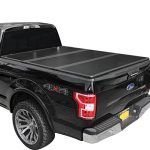
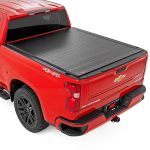
Imagine transforming your truck's utility and appearance in under thirty minutes, with nothing more than a simple set of hand tools. This is the promise of the modern lightweight tonneau cover, a far cry from the cumbersome, multi-person installations of the past. Today's market is dominated by innovative designs that prioritize not just protection, but also incredible ease of use, making them accessible to every truck owner, regardless of mechanical skill.
Choosing the right tonneau cover is a critical decision that impacts your truck's security, fuel efficiency, and daily functionality. This guide is designed to demystify the world of lightweight, easy-install covers. You will learn about the different types available, the materials that define them, the step-by-step installation realities, and how to select the perfect cover to match your lifestyle and budget, ensuring you make an informed investment for your vehicle.
Why Lightweight and Easy Install Matters
The primary appeal of a lightweight, easy-install tonneau cover is its fundamental user-friendliness. These covers are engineered for the solo installer. You no longer need to recruit a friend or schedule a professional appointment, which saves both time and money. The design philosophy centers on a "clamp-on" or "no-drill" system that utilizes your truck's existing bed rail system, eliminating the need for permanent modifications. This is particularly valuable for lease vehicles or owners who prefer to keep their truck's factory condition intact, as it allows for complete removal without leaving a trace.
Beyond installation, the lightweight nature of these covers, often constructed from advanced polymers, aluminum, or vinyl-coated fabrics, offers significant practical benefits. A lighter cover is far easier to handle when you need full, unimpeded access to your truck bed for hauling large items. It places less stress on the mounting hardware and your truck's bed rails over time, contributing to long-term durability. Furthermore, the reduced weight means less physical strain on you during the initial setup and any future removal for cleaning or maintenance.
From a performance perspective, the correlation between weight, installation complexity, and usage frequency is direct. A cover that is heavy and difficult to manage often ends up permanently closed or, worse, removed and stored in the garage, negating its benefits. A lightweight, easy-to-operate cover encourages regular use. You're more likely to quickly secure your cargo or fold it back to grab your gear, ensuring you consistently reap the rewards of improved aerodynamics, weather protection, and security that a tonneau cover provides.
Types of Lightweight, Easy-Install Covers
The market offers several distinct styles of lightweight covers, each with its own balance of convenience, security, and price. Soft Roll-Up covers are the quintessential lightweight option. Typically made from vinyl or canvas stretched over a lightweight aluminum or polymer frame, they roll up toward the cab and secure with straps. Installation usually involves clamping rails to the bed and snapping the cover into place, often a 15-20 minute job. They offer excellent value and minimal weight but provide basic security.
Soft Folding or Tri-Fold covers represent a step up in rigidity while remaining light. These covers consist of three or four panels hinged together, covered in a durable fabric. They fold up in sections, giving you partial or full bed access. Installation is similarly straightforward, with clamps securing the side rails. The aluminum frame panels offer more protection from the elements and slightly better security than a roll-up, but they still rely on a soft top material. Their operation is intuitive and requires minimal effort.
For those seeking a more solid feel without a complex install, Hard Folding Covers are a premier choice. Constructed from panels of aluminum, fiberglass, or composite plastics with a foam core, they are still relatively lightweight compared to a one-piece lid. They fold in sections and often feature a low-profile, sleek look. Modern hard folding covers use sophisticated clamp systems that make DIY installation in under an hour a reality. They offer superior security, weather sealing, and often come with integrated locks, blending easy installation with enhanced truck bed protection.
Key Materials and Construction Features
The secret to a cover being both lightweight and durable lies in its materials. For soft covers, marine-grade vinyl is the standard, treated to resist UV rays, cracking, and mildew. The backing is often a polyester scrim for tear resistance. The frames for folding panels are typically made from extruded aluminum alloys, which provide strength without significant weight. For hard folding covers, composite panels are key; these are sandwiches of aluminum skins over a polypropylene or foam core, creating a rigid, lightweight panel that is resistant to dents and corrosion.
Hardware is the unsung hero of easy installation. Look for covers that feature adjustable, tool-free clamp assemblies. These are often robust, zinc-plated or powder-coated steel clamps that hook under your truck's bed rail. A simple turn of a T-handle or bolt tightens them securely. High-quality covers include rubber or polymer pads on the clamps to prevent marring your truck's finish. The rail system itself should be pre-assembled or designed to click together easily, with pre-marked drill holes (for optional drilling) and clear instructions.
Additional features enhance both function and the installation experience. An automatic latching system, where the cover secures itself as you close it, eliminates fiddling with manual latches. Integrated drainage tubes, which are simple to route through pre-existing holes in your bed front, manage water runoff. For roll-up covers, tension control knobs allow you to fine-tune the cover's tightness after installation to prevent flapping. When selecting a cover, prioritize models where these features are designed for owner integration, not just professional installation.
The Real-World Installation Process
Choosing the Right Cover for Your Needs
Your choice should start with an honest assessment of your primary use cases. If your main concerns are basic dust and rain protection for occasional hauling, and budget is a key factor, a soft roll-up cover is an outstanding, no-fuss solution. For the user who needs more frequent, segmented access—like reaching for tools in the front of the bed while leaving the rear covered—a soft or hard tri-fold is ideal. If you regularly carry high-value equipment and need the closest thing to a trunk-like seal and lock, a hard folding cover is worth the investment.
Consider your truck's specific configuration. Do you have a drop-in bed liner, a spray-on liner, or no liner at all? Most easy-install covers are compatible with all, but a spray-on liner may require slight adjustments to clamp positioning. Do you have utility track systems like Ford's BoxLink or GM's proprietary rails? Some covers are designed to integrate with these, offering an even cleaner install. Also, consider future additions; if you plan to install a ladder rack or bed rack, ensure the cover model is compatible with the necessary crossbars or cutouts.
Finally, balance brand reputation with warranty. Established brands have refined their designs and installation processes over years. Look for a warranty that strongly covers the materials against defects, fading, and cracking for at least 3-5 years. Read customer reviews specifically about installation ease and long-term durability. A slightly higher upfront cost for a cover from a company known for clear instructions, responsive customer service, and robust warranty support will pay dividends in satisfaction and longevity, making your easy-install purchase a truly lasting upgrade.
Key Takeaways
- ✓ Lightweight, easy-install tonneau covers are designed for solo, tool-minimal setup, often using clamp-on systems that require no permanent drilling.
- ✓ The main types are Soft Roll-Up (lightest, most affordable), Soft Folding (more rigid panels), and Hard Folding (best security, still DIY-friendly).
- ✓ Key materials include marine-grade vinyl, aluminum frames, and composite panels, with installation ease hinging on smart clamp hardware and pre-assembled rails.
- ✓ A successful installation depends on thorough bed preparation, following the sequence of rail then cover attachment, and completing final tension and alignment adjustments.
- ✓ Your choice should be driven by your primary use case (security vs. convenience), your truck's specific configuration (bed liner type), and the manufacturer's warranty and support.
Frequently Asked Questions
Can I really install a lightweight tonneau cover by myself?
Absolutely. Modern lightweight covers are specifically engineered for DIY installation. They come with comprehensive instructions, often supported by online video tutorials. The clamp-on hardware is designed to be manipulated by one person, and the cover itself is light enough to be positioned without assistance. Most installs can be completed in 30 to 60 minutes with just a ratchet, wrench, or Allen keys provided in the kit.
Will a clamp-on tonneau cover damage my truck's paint or bed liner?
When installed correctly, no. Quality covers include protective pads or rubber feet on all clamp contact points. It is crucial to clean the bed rail contact area before installation to remove abrasive grit. As long as you follow the torque specifications and avoid overtightening, which can cause metal-on-metal contact, the clamp system will secure the cover firmly without scratching or denting your truck's finish or liner.
Are lightweight soft covers secure enough to prevent theft?
Soft covers provide a deterrent and protect from "grab-and-go" theft of visible items, but they are not impenetrable. A determined thief with a knife can cut through the vinyl. For true security, a hard folding or retractable cover is recommended, as they feature locking mechanisms that integrate with your tailgate lock and are made from cut-resistant materials. Think of a soft cover as a locker and a hard cover as a safe.
How do I know if a cover will fit my truck with a spray-in bed liner?
Virtually all major easy-install covers are designed to accommodate spray-in liners. The installation kit will include extra shims, spacers, or longer clamp bolts to account for the added thickness of the liner material. During installation, you simply use these provided components to ensure the clamp jaws can reach the bare metal beneath the liner for a solid grip. Always check the product specifications for explicit compatibility with your liner type.
Can I still use my truck's entire bed with a tri-fold cover?
Yes, but with a consideration. A tri-fold cover typically folds in two or three sections. Most designs allow the final section to fold all the way forward against the back of the cab, giving you approximately two-thirds of your bed fully open. To access the entire bed floor, you would need to unlatched the cover from the rails—a simple process—and remove it entirely. This takes only a minute, making it a flexible solution for most hauling needs.
Conclusion
Selecting and installing a lightweight tonneau cover is one of the most rewarding upgrades for any truck owner. As we've explored, the advancements in materials and design have made it possible to achieve professional-grade protection, security, and style through a straightforward DIY process. By understanding the different types, from soft roll-ups to hard folding models, and focusing on key features like clamp hardware and material quality, you can confidently choose a cover that seamlessly integrates into your daily life.
Now that you are equipped with this knowledge, the next step is to take action. Measure your truck bed, define your priorities, and research models that fit both your vehicle and your lifestyle. Read reviews, watch installation videos for specific models you like, and make your purchase from a reputable retailer. Within an hour of receiving your new cover, you can transform your truck's functionality and protect your cargo, all through your own effort. Enjoy the satisfaction of a job well done and the enhanced utility of your pickup.

Tony Kilmer is an auto mechanic and the author behind CarTruckAdvisor.com. He shares practical, no-nonsense guidance on car and truck maintenance, common problems, and repair decisions—helping drivers understand what’s going on and what to do next.