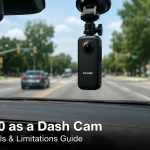
Imagine having an impartial witness for every mile you drive, one that never blinks, never forgets, and can provide crucial evidence in the event of an accident or a disputed traffic incident. This is the power of a dual-channel dash cam system, capturing both the road ahead and the view behind your vehicle. As roads become more congested and insurance complexities grow, installing a front and rear dash cam has transitioned from a tech enthusiast's hobby to a mainstream necessity for defensive drivers.
This comprehensive guide will walk you through the entire process of installing a front and rear dash cam, demystifying the steps that might seem daunting at first. You will learn not just the "how," but the "why" behind each decision, from choosing the right mounting location to expertly concealing wires without damaging your vehicle's interior. By the end, you'll have the confidence to achieve a clean, professional-looking installation that ensures reliable operation and peace of mind on every journey.
Pre-Installation Planning and Preparation
Before you unwrap your new dash cam or touch a single wire, successful installation begins with thorough planning. Start by carefully reading the user manual for your specific dual-channel model. Familiarize yourself with all components: the main front camera, the smaller rear camera, the power cable, the long rear camera cable, the adhesive mounts, and any included cable pry tools. Next, assess your vehicle's interior layout. Sit in the driver's seat and identify potential power sources, typically the 12V cigarette lighter socket or, for a hardwired installation, your vehicle's fuse box, often located near the dashboard or in the driver's side footwell.
The second crucial step is a dry run of cable routing. Temporarily place the front camera on the windshield, ensuring it sits high and centered, usually just below the rearview mirror, and does not obstruct your field of view. Run the rear camera cable along the headliner, down the door pillar, and to your rear window to estimate the required length. For the rear camera, decide if it will be mounted on the rear windshield (for sedans and SUVs) or on the rear dash (for hatchbacks and vans), ensuring the lens has a clear, unobstructed view. This rehearsal prevents mistakes and helps you visualize the final, clean setup.
Finally, gather all necessary tools. Beyond what's included, you will likely need a plastic trim removal tool set, which is invaluable for prying open panels without scratching them. Have a roll of high-quality electrical tape or zip ties for securing cables, a fuse tap kit if you plan to hardwire, and a microfiber cloth and isopropyl alcohol to thoroughly clean mounting surfaces. Allowing the adhesive mounts to bond to a perfectly clean, grease-free surface is critical for a permanent hold, especially in extreme temperatures.
Mounting the Front and Rear Cameras
With your plan in place, begin the physical installation by mounting the front camera. Clean the chosen spot on the windshield with isopropyl alcohol and the microfiber cloth. Once the area is completely dry, peel the backing from the adhesive mount and firmly press it against the glass for 30 seconds. Some mounts use static cling or suction cups, but 3M VHB tape is the industry standard for a reliable, vibration-free hold. Attach the dash cam to the mount, then adjust the lens angle. The ideal position captures the entire road ahead, including the edges of your hood and the skyline, with the horizon roughly centered in the frame.
Mounting the rear camera requires careful consideration of your vehicle type. For most cars with a rear windshield, the process mirrors the front: clean the glass thoroughly, preferably at the top center of the window, and apply the adhesive mount. Ensure the camera is oriented correctly, as some models have a flip function in the settings to correct the upside-down image. For vehicles with a tailgate or hatchback, you must account for movement; ensure the cable has enough slack and is routed through flexible conduit or along existing wire looms to prevent pinching when the hatch is opened and closed.
A critical step often overlooked is testing the camera angles before finalizing cable management. Temporarily connect both cameras to power using the provided cables, plugging into your car's 12V socket. Start the vehicle and check the live feed on the dash cam's screen or via its smartphone app. Verify that both cameras provide a wide, clear view with minimal obstructions like headrests or rear wipers. Drive around the block to confirm the cameras remain stable and the footage is usable. This verification step saves you from having to redo the entire installation after discovering a poor angle.
Professional Cable Routing and Concealment
The hallmark of a professional installation is invisible wiring. Begin with the front camera's power cable. Gently tuck the cable into the seam where the headliner meets the windshield, using your plastic tool to push it upward and out of sight. Continue routing the cable along the headliner toward the passenger or driver's side A-pillar (the pillar holding the windshield). Do not force the cable behind airbags. Instead, carefully pry open the A-pillar trim just enough to tuck the cable along its edge, away from any airbag deployment path, and snap the trim back into place.
Next, route the cable down the door frame's weather stripping. This rubber seal is designed to be pulled back easily. Run the cable behind it, continuing along the edge of the dashboard until you reach the 12V power socket. For a seamless look, you may choose to route the cable under the dashboard trim toward the center console. Use zip ties or clips to secure any loose sections behind the glove compartment or under the dash, ensuring the cable does not interfere with pedals, vents, or moving parts.
The rear camera cable requires the longest route. From the front camera, run it along the headliner toward the rear of the vehicle. For most cars, you can tuck it into the headliner's edge above the doors. When you reach the rear passenger door, guide the cable down the C-pillar or D-pillar trim (the rear-most pillars), again being mindful of side-curtain airbags. Finally, route the cable under the rear seat trim or along the floor channel to reach the rear window. Use plastic clips or adhesive cable holders to secure the cable in the trunk or cargo area, preventing it from dangling or getting caught on luggage.
Power Connection: Lighter Socket vs. Hardwiring
Powering your dash cam presents two primary options, each with distinct advantages. The simplest method is using the vehicle's 12V cigarette lighter socket. This is plug-and-play: after routing the cable, simply plug it in. The major drawback is that the socket is almost always only active when the car is running, meaning you lose the ability to use parking mode, a feature that monitors your car while it's parked. Furthermore, it leaves an unsightly plug and cord visible in your cabin, negating some of your clean routing work.
Hardwiring is the preferred method for a permanent, feature-complete installation. This involves connecting the dash cam directly to your vehicle's fuse box using an add-a-circuit fuse tap kit and a hardwiring cable specific to your dash cam model. Locate your fuse box, identify a fuse that is switched (powers on and off with the ignition) for the main power, and a fuse that is constant (always on) for the parking mode function. The hardwiring kit includes a low-voltage cutoff device to prevent draining your car battery. This method hides all wires completely and enables advanced functions like automatic recording during parking surveillance.
If hardwiring seems intimidating, a modern compromise is using an OBD-II port power adapter. The OBD-II port, typically found under the dashboard near the driver's knees, provides constant and switched power in one accessible location. Specialized OBD-II cables for dash cams offer easy installation—just plug into the port—and often include built-in voltage protection. They provide a cleaner look than the lighter socket and enable parking mode without the complexity of fuse taps, making them an excellent middle-ground solution for many drivers in 2026.
Final Configuration and Ongoing Maintenance
After the physical installation is complete, finalize the setup through the dash cam's software. Use the device's menu or connected smartphone app to format the microSD card within the camera itself—this ensures compatibility and optimizes performance. Configure essential settings: set the correct date and time for accurate timestamping on footage, enable loop recording to overwrite old files automatically, and adjust video resolution to the highest quality your card and camera support (e.g., 1440p front, 1080p rear). Activate features like G-sensor impact detection for event locking and, if hardwired, configure parking mode sensitivity and duration.
Regular maintenance is key to ensuring your dash cam remains a reliable witness. Periodically, perhaps once a month, visually inspect the camera mounts to ensure they haven't loosened due to temperature changes. Clean the camera lenses gently with a lens brush or soft cloth to remove dust and grime that can degrade video quality. Most importantly, get into the habit of checking your recorded footage. Every few weeks, save a clip to your phone or computer to verify the system is working correctly. This also familiarizes you with the retrieval process, so you're not fumbling for footage after a real incident.
Finally, manage your storage media proactively. High-endurance microSD cards, designed for continuous read/write cycles, are a must. Even with loop recording, remember to manually lock important clips after any notable event. Plan to replace your microSD card every 12-24 months, as constant use will wear it out. By integrating these simple checks into your routine, you ensure your investment continues to provide clear, dependable evidence and security for years to come.
Key Takeaways
- ✓ Thorough planning, including a dry run of cable routing, is the most critical step for a clean, professional-looking installation.
- ✓ Always test camera angles and footage before finalizing cable concealment to avoid having to redo your work.
- ✓ Tucking wires into existing trim seams and behind weather stripping is the secret to an invisible, factory-looking install.
- ✓ Hardwiring to the fuse box or using an OBD-II adapter is superior to the lighter socket, enabling parking mode and a wire-free cabin.
- ✓ Ongoing maintenance, including lens cleaning, firmware updates, and periodic footage checks, is essential for long-term reliability.
Frequently Asked Questions
Can I install a dash cam myself without any technical experience?
Absolutely. Most modern dash cams are designed for DIY installation. The process requires patience and attention to detail more than advanced technical skills. Using plastic trim tools prevents damage, and following a step-by-step guide like this one makes it manageable. The plug-and-play nature of a 12V socket connection is very straightforward, while hardwiring requires more care but is still achievable with a basic fuse tap kit.
Will installing a dash cam void my car's warranty?
Generally, no. Simply plugging into the 12V socket or using an OBD-II port will not affect your warranty. For hardwiring, if you use fuse taps correctly without cutting factory wires, it typically does not void the warranty. However, if you cause damage during installation (e.g., short-circuiting a fuse box), that specific damage may not be covered. It's always prudent to check your vehicle's warranty terms or consult with your dealer if you are concerned.
Where is the best place to mount the rear camera on a hatchback or SUV?
For hatchbacks and SUVs, mounting on the rear windshield is ideal, but you must carefully manage the cable to allow for the tailgate's movement. Route the cable through the vehicle's factory wire loom rubber grommet that connects the body to the tailgate, if one exists. Alternatively, use a lengthy, loose service loop secured with flexible conduit near the hinge, allowing the cable to flex without stress. Avoid rigid cable routing that could snap when the hatch is repeatedly opened.
How do I access footage if I need it for an insurance claim?
Methods vary by model. Most commonly, you can remove the microSD card and insert it into a computer, or connect the dash cam directly to a computer via USB. Many 2026 models have Wi-Fi; you can connect your smartphone to the camera's hotspot and use the manufacturer's app to view, download, and share videos instantly. It's crucial to know this process beforehand—immediately save any incident footage to prevent it from being overwritten by loop recording.
What is parking mode, and do I need it?
Parking mode is a feature that allows your dash cam to monitor your vehicle while it's parked and the engine is off. It uses motion detection or a G-sensor to start recording if someone approaches, bumps, or breaks into your car. It is highly recommended if you park in public lots, on city streets, or in areas with higher risk of hit-and-runs. Parking mode requires a constant power source, meaning you must hardwire the camera to your fuse box or use an OBD-II or battery pack solution.
Conclusion
Installing a front and rear dash cam system is a rewarding project that significantly enhances your driving security and peace of mind. By methodically planning your approach, carefully mounting the cameras, meticulously concealing the wires, choosing the right power solution, and properly configuring the settings, you transform a collection of components into a seamless, reliable automotive safety system. The process empowers you with knowledge about your vehicle and provides an invaluable layer of protection against the uncertainties of the road.
Take the first step today. Review your vehicle's interior, order the necessary tools, and select a dual-channel dash cam that fits your needs and budget. Dedicate a weekend morning to the installation, following this guide. Once completed, you'll drive with the confidence that comes from having an impartial, ever-watchful guardian on every journey, ready to document the road ahead and behind. Your future self will thank you for the investment of time and effort.

Tony Kilmer is an auto mechanic and the author behind CarTruckAdvisor.com. He shares practical, no-nonsense guidance on car and truck maintenance, common problems, and repair decisions—helping drivers understand what’s going on and what to do next.