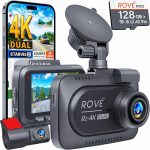
You are driving down the highway, and suddenly, a notification chime reminds you that your trusty dash cam has been recording your commutes for the last three years. Whether you are trading in your vehicle, upgrading to a newer 4K model, or simply need to clean your windshield, the moment of truth arrives: you have to remove the device. Yanking it off with brute force is a recipe for a cracked windshield, a broken suction cup, or a sticky, gooey mess of adhesive residue that seems impossible to clean. The process is more delicate than most drivers realize, and doing it wrong can cost you hundreds in repairs.
This guide is designed to walk you through every safe method for removing a dash cam from your windshield in 2026. We will cover the specific tools you need, the step-by-step techniques for different mounting types (suction cups, adhesive pads, and electrostatic stickers), and the best practices for cleaning the glass afterward. By the end of this article, you will have the confidence to remove your dash cam without damaging your vehicle or leaving behind any trace of its presence. This matters because a clean, residue-free windshield is not just about aesthetics; it is critical for clear visibility and safe driving.
Understanding Your Dash Cam Mount: The First Step to Safe Removal
Before you even touch the dash cam, you must identify the type of mount securing it to your windshield. The removal technique varies drastically depending on whether you are dealing with a suction cup mount, a permanent 3M adhesive pad or a reusable electrostatic sticker. In 2026, the market is dominated by these three categories, with suction cups being the most common for budget models and adhesive pads being the standard for premium, discreet installations. Misidentifying your mount can lead to broken clips or damaged glass.
Suction cup mounts are the easiest to remove, but they can become stubborn over time due to temperature changes and dust. These mounts rely on a vacuum seal, and the key is to break that seal gently. Adhesive pads, often made from VHB (Very High Bond) tape, are designed to be semi-permanent and require a different approach involving heat and floss. Electrostatic stickers, a newer trend in 2026, stick to the glass using static electricity and are generally the safest and easiest to remove, but they can still leave a faint residue if left on for years.
The final consideration is the age of the installation. A dash cam mounted in the dead of winter will have a different bond strength than one mounted in the summer heat. Temperature directly affects the pliability of adhesives and the pressure inside a suction cup. Therefore, your first action should always be to assess the mount type and the current temperature of your vehicle. If the car has been sitting in direct sunlight, the interior glass can be scorching hot, which can make some adhesives gummy and difficult to handle. Conversely, a cold windshield can make adhesive pads brittle and prone to shattering the glass if force is applied.
Method 1: Removing Suction Cup Mounts Without Cracking the Glass
For suction cup mounts, the process is straightforward but requires patience. The most common mistake people make is pulling the dash cam body itself, which puts stress on the plastic hinge and the glass. Instead, locate the small release tab or lever on the suction cup mechanism. In 2026, most quality mounts have a locking lever that you flip to release the vacuum. Flip this lever to the "unlock" position. You should hear a soft hiss of air as the seal breaks. If the cup does not release immediately, do not yank it.
If the release lever does not work, the suction cup may be "frozen" to the glass due to age or a perfect seal. In this case, use a plastic pry tool or a credit card. Gently slide the edge of the card between the rubber suction cup and the glass. Work your way around the perimeter of the cup. This the vacuum seal without scratching the glass. Never use a metal screwdriver or a knife, as these will scratch the glass or cut the rubber cup. Once the seal is broken, the mount should lift off effortlessly.
After the mount is off, you will likely be left with a circular ring of residue or a slight film. This is usually just dirt and oils trapped under the seal. A simple wipe with a microfiber and a glass cleaner like Invisible Glass will remove it. If the rubber cup has left a stubborn mark, a dab of isopropyl alcohol (70% or higher) on the cloth will dissolve it instantly. Remember to clean the suction cup itself before storing it, as dirt on the rubber will prevent it from sticking in the future.
Method 2: The Heat and Floss Technique for Adhesive Pads
Adhesive pads, particularly those using 3M VHB tape, are the most challenging to remove. These are designed to hold the camera securely through extreme heat, cold, and vibration. The golden rule for removing these is to never pull the camera straight away from the glass. This can delaminate the glass or rip the adhesive pad, leaving a thick, gooey mess. Instead, you must use a combination of heat and a slicing motion. The best tool for this is a piece of unflavored dental floss or high-strength fishing line.
First, heat the area. Use a hair dryer on a medium setting or a heat gun on its lowest setting. Hold it about six inches away from the glass and move it in a circular motion over the mount for 60 to 90 seconds. The goal is to soften the adhesive, not to overheat the glass. The mount should feel warm to the touch. Do not use a heat gun on high, as it can crack the windshield or damage the dash cam's internal battery. If you are in a cold climate, let the car warm up with the defroster on full blast for 10 minutes before attempting this.
Once the adhesive is warm, take your dental floss and slide it behind the mount. Use a sawing motion, moving the floss back and forth while pulling it toward you. This cuts through the adhesive foam pad cleanly. Work from one side to the other. If the floss snaps, grab a new piece and continue. Once the mount is free, you will be left with a layer of foam and adhesive on the glass. Do try to scrape it off dry. Apply a small amount of Goo Gone, WD-40, or isopropyl alcohol to the residue and let it sit for two minutes. Then, use a plastic razor blade to gently scrape the softened adhesive away. Finish with a glass cleaner to remove any oily film.
Key Takeaways
- ✓ Identify your mount type (suction cup, adhesive pad, or electrostatic sticker) before attempting removal to avoid damage.
- ✓ Always use heat (hair dryer) to soften adhesive pads before attempting to cut them away with dental floss.
- ✓ Never pull a dash cam mount straight away from the glass; use a sliding or sawing motion to break the seal.
- ✓ Use isopropyl alcohol or Goo Gone on a microfiber cloth to safely remove stubborn adhesive residue without scratching the glass.
- ✓ After removal, clean and protect the bare glass with a hydrophobic coating to restore visibility and prevent future residue buildup.
Frequently Asked Questions
Can I use a razor blade to scrape off the dash cam adhesive?
Yes, but only if you use a plastic razor blade specifically designed for automotive glass. Metal razor blades will scratch the glass and remove any protective coatings. Always lubricate the area with a solvent or glass cleaner before scraping to prevent scratches.
What my dash cam mount is stuck because of extreme cold?
Do not try to pry it off. Turn your car's defroster on high and direct the heat at the windshield for 10-15 minutes. You can also use a hair dryer inside the car. The goal is to warm the glass and the adhesive to make it pliable. Attempting removal on a frozen windshield can crack the glass.
Will removing the dash cam void my car's warranty?
No, removing a dash cam does not void your vehicle's warranty. However, if you damage the windshield during removal (e.g., crack it), that damage is not covered under the standard bumper-to-bumper warranty. It would be an insurance claim or out-of-pocket repair.
: How do I remove the sticky residue left by a cheap suction cup?
Cheap suction cups often leave a ring of sticky, rubbery residue. The best method is to apply a small amount of WD-40 or cooking oil to a cloth and rub the residue. The oil breaks down the rubber compounds. After the residue is gone, clean the area thoroughly with dish soap and water, then finish with a glass cleaner.
Is it safe to reuse the same adhesive pad after removal?
No. Once a 3M VHB adhesive pad is removed, it loses most of its sticking power. Attempting to reuse it will result in your dash cam falling off the windshield, especially in hot weather. You must purchase a new set of adhesive pads from the dash cam manufacturer or a generic 3M automotive tape kit.
Conclusion
Removing a dash cam from your windshield does not have to be a stressful or destructive task. By understanding the type of mount you have and applying the correct technique—whether it is flipping a suction cup lever, using heat and floss on an adhesive pad, or simply peeling off an electrostatic sticker—you can complete the job in under ten minutes. The key is patience and the right tools: a hair dryer, dental floss, a plastic pry tool, and a quality adhesive remover. Avoiding brute force is the single most important rule to prevent a cracked windshield.
Now that you have the knowledge, take action. Before you attempt the removal, gather your supplies and park your car in a shaded area or garage to moderate the glass temperature. If you are upgrading your dash cam, consider switching to an electrostatic sticker mount for your new device. It will make your next removal effortless. Remember, a clean windshield is a safe windshield. Take your time, follow the steps, and you will have a spotless view of the road ahead.

Tony Kilmer is an auto mechanic and the author behind CarTruckAdvisor.com. He shares practical, no-nonsense guidance on car and truck maintenance, common problems, and repair decisions—helping drivers understand what’s going on and what to do next.