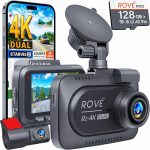
You are driving down the highway when a car swerves into your lane, forcing you off the road. Your dash cam captured the entire incident, from the reckless maneuver to the final impact. As you exchange insurance information, you feel a sense of relief knowing you have video evidence. But when you later find yourself in court, a critical question arises: will that video actually be allowed as evidence?
The admissibility of dash cam footage in court is not as straightforward as many people assume. While these devices have become increasingly popular for documenting accidents and road incidents, the legal system has specific rules about what evidence can be presented. In 2026, with dash cams more common than ever, understanding these rules can mean the difference between winning your case and having your evidence thrown out. This article will explain the key factors that determine admissibility, the legal standards involved, and practical steps you can take to ensure your footage holds up in court.
Key Takeaways
- ✓ Dash cam footage is generally admissible in court if it is relevant, authentic, and falls under the present sense impression exception to the hearsay rule.
- ✓ Maintaining a clear chain of custody is critical; keep the original memory card untouched and document every step of handling.
- ✓ Audio recordings on dash cams may be subject to wiretapping laws; consider disabling audio to avoid legal complications.
- ✓ High-quality equipment and proper settings, including continuous loop recording and G-sensor activation, improve the reliability of your footage.
- ✓ Always consult an attorney before sharing dash cam footage with law enforcement or insurance companies to protect your legal interests.
Frequently Asked Questions
Can I use dash cam footage as evidence if I was partially at fault for the accident?
Yes, dash cam footage can be used even if you were partially at fault. In many jurisdictions, comparative negligence laws allow the court to assign a percentage of fault to each party. The footage may show that the other driver was more responsible than you initially thought, or it may confirm your own liability. Either way, the truth is usually better than speculation. However, be aware that the footage can also be used against you, so review it with your attorney before presenting it.
What happens if my dash cam footage is ruled inadmissible?
If the court rules your dash cam footage inadmissible, it cannot be shown to the jury or used as evidence. This typically happens if the footage fails the authentication test, has a broken chain of custody, or violates privacy laws. In such cases, you will need to rely on other evidence, such as witness testimony, police reports, or photographs from the scene. This is why it is crucial to follow proper procedures for preserving and handling your footage from the moment of the accident.
Do I need to tell the other driver that I have a dash cam?
In most jurisdictions, you not legally required to inform the other driver that you have a dash cam. However, some states have laws requiring disclosure if the camera records audio. If you are asked directly, it is generally best to be honest, as lying about the existence of footage could damage your credibility later. Your attorney can advise you on the specific disclosure requirements in your area.
Can the police seize my dash cam memory card without a warrant?
Generally, police need a warrant to seize your dash cam memory card, especially if you are not under arrest. However, there are exceptions, such as if the card is in plain view and the officer has probable cause to believe it contains evidence of a crime. If an officer asks for your memory card, have the right to politely decline and state that you will provide it through your attorney. Never physically resist, but do not voluntarily hand over the card without legal advice.
How long should I keep dash cam footage after an accident?
You should keep the original dash cam footage until all legal matters related to the accident are completely resolved. This includes insurance claims, civil lawsuits, and any potential criminal charges. In some cases, this can take years. Even after a settlement is reached, it is wise to keep a backup copy of the footage for your own records. Statutes of limitations for personal injury claims vary by state, but a general rule is to keep the footage for at least three to five years after the accident.
Conclusion
Dash cam footage can be a powerful piece of evidence in court, but its admissibility depends on a careful combination of legal principles, technical integrity, and proper handling. From authentication and hearsay exceptions to chain of custody and privacy laws, each factor plays a critical role in whether your video will be accepted by the judge. By understanding these rules and taking proactive steps before an accident occurs, you significantly increase the likelihood that your footage will help, rather than hinder, your case.
As dash cams become more advanced and more common in 2026, the legal landscape continues to evolve. Stay informed about the laws in your jurisdiction, invest in reliable equipment, and always consult with a qualified attorney before sharing your footage. The few minutes it takes to set up your dash cam correctly and develop a post-accident plan could save you thousands of dollars and countless hours of legal stress. Drive safely, record responsibly, and let the truth be your best defense.

Tony Kilmer is an auto mechanic and the author behind CarTruckAdvisor.com. He shares practical, no-nonsense guidance on car and truck maintenance, common problems, and repair decisions—helping drivers understand what’s going on and what to do next.