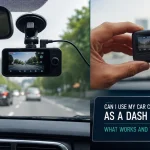
You are driving down the I-10 through Phoenix, and suddenly a driver swerves into your lane, forcing you to slam on the brakes. In the chaos that follows, your word is pitted against theirs. This is the exact scenario where a dash cam becomes your silent witness, providing irrefutable evidence of what truly happened. But before you rush to buy and install one, you need to know the legal landscape in Arizona.
This topic matters because Arizona has specific laws regarding recording devices in vehicles, and misunderstanding them could lead to legal trouble or evidence being thrown out in court. In this comprehensive guide, we will cover everything from the legality of dash cams in Arizona, to where you can mount them, audio recording is treated, and what you need to know about privacy laws. By the end, you will have a clear, actionable understanding of how to use a dash cam legally and effectively in the Grand Canyon State.
The Core Legality: Are Dash Cams Legal in Arizona?
The short answer is yes, dash cams are legal in Arizona. There is no state law that specifically prohibits the use of dashboard cameras in private vehicles. Arizona is considered a "one-party consent" state for audio recording, which generally allows you to record conversations you are a part of, including those inside your vehicle. This means that as long as you are in the car and participating in the conversation, you can legally record audio without telling your passengers.
However, the legality becomes more nuanced when considering where you place the camera. Arizona law, like many states, prohibits any object on the windshield that obstructs the driver's view. According to Arizona Revised Statutes Section 28-894, a person shall not drive a motor vehicle with a sign, poster, or other nontransparent material upon the front windshield, side wings, or side or rear windows of the vehicle that obstructs the driver's clear view. This directly applies to dash cams mounted on the windshield.
The practical implication is that you must mount your dash cam in a location that does not block your line of sight. The most common and legally safe placement is behind the rearview mirror, on the passenger side of the mirror assembly. This area is typically outside the driver's primary field of vision and is less likely to be considered an obstruction. Many law enforcement officers in Arizona will not cite you for a small dash cam mounted in this location, but a large unit placed directly in the center of the windshield could result in a traffic citation.
Windshield Placement and Obstruction Laws
The most common legal pitfall for dash cam users in Arizona is improper placement on the windshield. As mentioned, Arizona law prohibits any object that obstructs the driver's clear view. The law is intentionally broad to cover a wide range of obstructions, from large stickers to hanging air fresheners. A dash cam, depending on its size and placement, can absolutely fall under this category. The key is to ensure the camera does not block your view of the road, traffic signals, or pedestrians.
The safest placement behind the rearview mirror. This location is typically outside the driver's primary line of sight and is the least likely to be considered an obstruction. Many dash cams are designed to be compact and can be tucked up behind the mirror, making them nearly invisible from the driver's seat. If you have a larger, dual-camera system with a rear-facing camera, the same rules apply to the rear window. Do not mount anything on the rear window that blocks your view through the rearview mirror.
For those who prefer not to mount a camera on the windshield at all, there are alternatives. You can purchase a dash cam that mounts to the dashboard using a sticky pad or suction cup. This is often a better option for older vehicles or for drivers who are concerned about windshield obstruction. Another option is a rearview mirror replacement dash cam, which replaces your factory mirror with a unit that has a built-in camera. These are generally considered legal because they serve the same function as the original mirror and do not add an additional obstruction. Always check the specific dimensions and placement of your chosen camera to ensure compliance.
Commercial Use: Dash Cams for Rideshare and Delivery Drivers
For rideshare drivers (Uber, Lyft) and delivery drivers (DoorDash, Amazon Flex), dash cams are not only legal but highly recommended. Arizona law does not specifically prohibit commercial drivers from using dash cams in their personal vehicles used for business. However, there are additional considerations. If you are carrying passengers for hire, you must inform them that you are recording audio and video. This is a best practice and is often required by the rideshare company's terms of service.
Many rideshare drivers use dash cams that record the interior of the vehicle as well as the road ahead. This is legal in Arizona as long as you, the driver, are the one operating the camera. You are considered a party to the conversation, so can record audio. However, it is crucial to inform your passengers. A simple sign in the vehicle stating "This vehicle is equipped with audio and video recording" is usually sufficient. Some drivers also verbally inform passengers at the start of the trip. Failure to do so could lead to a passenger complaint or a negative rating.
For delivery drivers who do not carry passengers, the rules are simpler. You can record the road and your surroundings without issue. However, if you are delivering to a private residence and your camera captures footage of the homeowner's property or their family, you should be mindful of privacy. In general, as long as the camera is pointed outward and recording public areas, you are on solid legal ground. Many delivery companies actually encourage the use of dash cams to protect drivers from false claims of damage or theft.
Choosing the Right Dash Cam for Arizona Conditions
Arizona's unique climate presents specific challenges for dash cams. The extreme heat, especially during summer months when temperatures inside a parked car can exceed 150 degrees Fahrenheit, can damage electronics. When choosing a dash cam look for one with a high operating temperature range. Many modern dash cams are rated to operate up to 140 or 160 degrees Fahrenheit. Capacitor-based dash cams are generally preferred over battery-based ones in hot climates because capacitors are more resistant to heat and less likely to swell or leak.
Another feature to consider is the camera's field of view. A wide-angle lens (typically 140 to 170 degrees) is ideal for capturing a broad view of the road and surrounding traffic. However, be aware that very wide lenses can cause a "fisheye" effect, which may distort distances and make license plates harder to read. A good balance is a 140 to 150-degree lens. Additionally, consider a dash cam with a "parking mode" feature. This allows the camera to continue recording even when the car is off, using motion detection or impact sensors. This is invaluable in Arizona for capturing hit-and-run incidents in parking lots.
Finally, consider a dual-camera system. A front-facing camera is essential, but a rear-facing camera can provide even more protection. In Arizona, rear-end collisions are common, and having a rear camera can prove that you were stopped or slowing down when you were hit from behind. Some systems offer an interior camera, which is useful for rideshare drivers. When installing the camera, use a high-quality, heat-resistant adhesive or suction cup. Cheap mounts can fail in the heat, causing your camera to fall off the windshield, potentially damaging the camera or causing a distraction while driving.
Installation Tips and Best Practices for Arizona Drivers
Key Takeaways
- ✓ Dash cams are legal in Arizona, but must be mounted so they do not obstruct the driver's view of the road.
- ✓ Arizona is a one-party consent state audio recording, meaning you can record conversations inside your car without telling passengers.
- ✓ The safest mounting location is behind the rearview mirror on the passenger side to avoid obstruction citations.
- ✓ Dash cam footage is admissible in insurance claims and court, but it can also be used against you if you are at fault.
- ✓ Choose a capacitor-based dash cam with a high heat tolerance to survive Arizona's extreme summer temperatures.
Frequently Asked Questions
Can I get a ticket for having a dash cam on my windshield in Arizona?
Yes, you can be cited if the dash cam obstructs your clear view of the road. Arizona Revised Statutes Section 28-894 prohibits driving with any object on the windshield that blocks the driver's vision. A small camera mounted behind the rearview mirror is unlikely to result in a ticket, but a large unit placed in the center of the windshield could. If an officer believes your camera is an obstruction, they can issue a traffic citation.
Do I need to tell my passengers that I have a dash cam recording audio?
While Arizona law does not explicitly require you to inform passengers, it is a best practice Since Arizona is a one-party consent state, you are legally allowed to record audio as long as you are part of the conversation. However, informing passengers avoids potential conflict and is required by rideshare companies like Uber and Lyft. A simple sign in the vehicle is often sufficient.
Is it legal to record a police officer during a traffic stop with my dash cam?
Yes, it is legal to record a police officer performing their duties in public, including during a traffic stop, as long as you do not interfere with their work. Your dash cam can remain running. However, do not make sudden movements or get out of the vehicle to film. Keep your hands visible and comply with the officer's instructions. The recording can serve as evidence if your rights are violated.
Can my dash cam footage be used against me in court?
Yes, absolutely. If you are involved in an accident and your dash cam shows you were speeding, ran a red light, or driving recklessly, that footage can be subpoenaed and used as evidence of your fault. You have the right to remain silent, but the footage is physical evidence. This is why some drivers choose to disable audio recording or use a camera that only records when an impact is detected.
What happens to my dash cam footage if I am in an accident?
You should immediately save the footage. Most dash cams loop record, meaning they will eventually overwrite old footage. After an accident, remove the memory card or transfer the clip to your phone or a computer. Do not edit or alter the file. Provide a copy to your insurance company and law enforcement if requested. Keep the original file stored safely in case it is needed for a legal proceeding.
Conclusion
In summary, dash cams are a legal and powerful tool for drivers in Arizona, offering protection against false claims, providing evidence in accidents, and even potentially lowering your insurance premiums. The key is to use them responsibly. You must mount the camera in a location that does obstruct your view, understand the one-party consent rules for audio recording, and be aware that the footage can be used both for and against you. By following the placement guidelines and choosing a heat-resistant model, you can enjoy the benefits of a dash cam without running afoul of the law.
Now is the time to take action. If you do not already have a dash cam, consider purchasing one that fits your needs and budget. Research models with high heat tolerance and good video quality. If you already own one, take a moment to check its placement on your windshield. Is it behind the rearview mirror? Is the lens clean? Is your memory card in good condition? A few minutes of preparation today could save you thousands of dollars and countless headaches tomorrow. Drive safely, and let your dash cam be your silent witness on the roads of Arizona.

Tony Kilmer is an auto mechanic and the author behind CarTruckAdvisor.com. He shares practical, no-nonsense guidance on car and truck maintenance, common problems, and repair decisions—helping drivers understand what’s going on and what to do next.