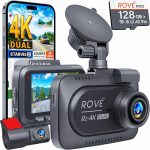
You are driving home after a long day, and you notice your dash cam is starting to wobble. The summer heat has softened the adhesive, or perhaps the winter cold has made it brittle. Whether you are upgrading to a newer model, moving to a different vehicle, or simply need to reposition the camera for a better view, the task of removing a dash cam from your windshield can feel surprisingly daunting. One wrong move, and you could be left with a sticky residue, a cracked windshield, or a damaged device. This is a common frustration for drivers, but it does not have to be a stressful one.
In this comprehensive guide, we will walk you through every step of the dash cam removal process, from preparing your tools to cleaning the glass afterward. You will learn the best techniques for different types of mounts, how to handle stubborn adhesive, and what to do if you accidentally damage your windshield. By the end of this article, you will have the confidence and knowledge to remove any dash cam safely and cleanly, preserving both your camera and your vehicle’s glass. This matters because a clean removal saves you money on repairs and ensures your next dash cam installation goes smoothly.
Understanding Your Dash Cam Mount Type
Before you even touch the dash cam, you must identify the type of mount holding it to your windshield. The most common types are suction cup mounts, adhesive tape mounts, and magnetic mounts. Suction cup mounts are the easiest to remove, as they rely on air pressure and a rubber seal. Adhesive tape mounts, often using 3M VHB tape, are designed for permanent or semi-permanent installation and require more effort. Magnetic mounts use a metal plate stuck to the windshield and a magnet on the camera, combining elements of both systems. Knowing your mount type will dictate the tools and techniques you need.
For suction cup mounts, the removal process is straightforward. You typically twist a locking mechanism to release the suction, then gently pry the edge of the cup with a plastic trim tool or your fingernail. If the suction cup is stuck due to temperature changes, you can use a hairdryer on a low setting to warm the rubber, which makes it more pliable. Never use a metal tool like a screwdriver, as this can scratch the glass or damage the suction cup. A simple trick is to slide a piece of dental floss behind the cup to break the seal without force.
Adhesive tape mounts are the trickiest. These mounts use industrial-strength tape that bonds to the glass over time. Attempting to yank the mount off can shatter the windshield or break the camera’s plastic bracket. Instead, you need to soften the adhesive using heat, then use a combination of gentle prying and a solvent like isopropyl alcohol or Goo Gone. Magnetic mounts are a hybrid: the metal plate is usually attached with adhesive tape, so you follow the adhesive removal process for the plate, while the camera itself simply lifts off the magnet. Always check your dash cam’s manual for specific instructions, as some manufacturers have unique locking mechanisms.
Essential Tools and Safety Precautions
First paragraph of this section.
Second paragraph with more details.
Third paragraph with practical tips or examples.
Step-by-Step Removal Process for Adhesive Mounts
Begin by disconnecting the dash cam from its power source. If the camera is hardwired into your car’s fuse box, you may need to remove a fuse or unplug the cable from the camera itself. For cameras plugged into a 12V outlet, simply unplug the cable. This prevents any electrical shorts or accidental damage while you work. Next, remove the camera body from the mount if possible. Most adhesive mounts have a sliding or clipping mechanism that allows the camera to detach separately. This reduces the weight you are pulling against and gives you better access to the adhesive pad.
Now, apply heat to the adhesive mount. Use your hairdryer or heat gun on a low setting, holding it about six inches away from the glass. Move the heat source in a circular motion around the mount for 30 to 60 seconds. You will know the adhesive is softening when the mount feels slightly warm to the touch. Do not overheat the area. Once the adhesive is warm, take your plastic pry tool and gently insert it under the edge of the mount. Apply slow, steady pressure. If the mount does not budge, apply more heat for another 30 seconds. Never force it. The goal is to slide the tool underneath the entire pad, breaking the bond gradually.
Once the mount is free, you will likely be left with a sticky residue on the windshield. This is normal. Spray a small amount of isopropyl alcohol onto a microfiber cloth (not directly onto the glass) and rub the residue in a circular motion. For stubborn spots, use a plastic razor blade at a 45-degree angle to scrape the glue away. If the residue persists, apply a few drops of Goo Gone to the cloth and let it sit on the residue for one minute before wiping. Finally, clean the entire area with a glass cleaner and a fresh microfiber cloth to remove any oily film. Your windshield should now be spotless and ready for a new mount.
Handling Suction Cup and Magnetic Mounts
Suction cup mounts are the most user-friendly, but they can still present challenges, especially in extreme temperatures. To remove a suction cup mount, first release the locking lever or twist the base to break the vacuum seal. If the cup remains stuck, it is likely due to a temperature differential. In hot weather, the rubber can become soft and sticky; in cold weather, it can become rigid. For hot weather, let the car cool down and then slide a plastic pry tool under the edge of the cup. For cold weather, warm the cup with a hairdryer for 10-15 seconds to soften the rubber. Once the seal is broken, the cup should lift off easily.
Magnetic mounts require a two-step process. The camera itself simply lifts off the magnet, so that part is easy. The challenge is the metal plate that is adhered to the windshield. This plate is typically attached with a strong adhesive tape, similar to a permanent mount. Follow the same heat-and-pry method described in Section 3 for adhesive mounts. However, because the metal plate is thin and flexible, you can sometimes use a piece of fishing line or dental floss to saw through the adhesive behind the plate. This method is particularly effective for large plates and reduces the risk of bending the metal.
After removing either type of mount, clean the windshield thoroughly. Suction cups often leave a ring of residue from the rubber seal, which can be removed with a glass cleaner and a microfiber cloth. For magnetic plates, the adhesive residue will be similar to that of a tape mount. Use isopropyl alcohol and a plastic razor blade as before. One pro tip: after cleaning, apply a small amount of rubbing alcohol to the suction cup itself to remove any oils from your fingers, which can improve its grip when you reinstall it. Store the mount in a cool, dry place to prevent the rubber from degrading.
What to Do If Something Goes Wrong
Despite your best efforts, things can go wrong. The most common issue is a cracked windshield. If you hear a cracking sound or see a spiderweb pattern forming, stop immediately. Do not apply more heat or pressure. A crack can spread rapidly, especially in temperature fluctuations. Your best course of action is to contact a professional auto glass repair service. Many insurance policies cover windshield repair or replacement with a low deductible. In the meantime, cover the crack with clear packing tape to prevent dirt and moisture from entering, which can make the repair more difficult.
Another common problem is breaking the dash cam mount itself. Plastic brackets can become brittle over time, especially if exposed to UV light. If the mount snaps, do not panic. You can often purchase a replacement mount from the dash cam manufacturer or a third-party seller. In a pinch, you can use a strong adhesive like epoxy to reattach the broken piece, but this is a temporary fix. For a permanent solution, order a new mount. If the camera body is damaged, check if it is still under warranty. Many manufacturers offer a limited warranty that covers manufacturing defects but not accidental damage.
Finally, you might encounter adhesive that simply will not come off. This is common with older mounts or those exposed to extreme heat. In this case, do not keep scraping, as you risk scratching the glass. Instead, apply a generous amount of a commercial adhesive remover to a cloth and press it against the residue for five to ten minutes. This allows the solvent to penetrate the glue. After soaking, the residue should wipe away easily. If it does not, repeat the process. For extremely stubborn glue, you can use a product called “3M Adhesive Remover,” which is specifically designed for automotive tapes. Always follow the manufacturer’s instructions and ventilate your car well when using chemical solvents.
Key Takeaways
- ✓ Identify your mount type (suction cup, adhesive tape, or magnetic) before starting to choose the correct removal method.
- ✓ Always use plastic tools and a heat source to avoid scratching the glass or cracking the windshield.
- ✓ Soften adhesive with a hairdryer or heat gun on low heat before attempting to pry the mount off.
- ✓ Clean residue with isopropyl alcohol and a microfiber cloth; use a plastic razor blade for stubborn spots.
- ✓ If you crack the windshield or break the mount, stop immediately and seek professional repair or a replacement part.
Frequently Asked Questions
Can I use a metal razor blade to remove the adhesive?
It is strongly discouraged. Metal razor blades can easily scratch tempered glass, leaving permanent marks. Always use a plastic razor blade or a plastic trim removal tool. If you must use a metal blade, wet the glass first and hold the blade at a very shallow angle, but plastic is always the safer choice.
Will using a heat gun crack my windshield?
Yes, if used improperly. A heat gun can generate temperatures high enough to cause thermal shock, especially if the windshield is already chipped or if the car is cold. Always use a heat gun on the lowest setting, keep it moving, and hold it at least six inches away. A hairdryer is a safer alternative for most users.
How do I remove the residue left by a suction cup?
Suction cup residue is usually a rubbery film. Wipe it with a microfiber cloth dampened with isopropyl alcohol. If that does not work, use a small amount of glass cleaner or a dedicated adhesive remover. Avoid using abrasive pads, as they can dull the glass.
What if the dash cam is hardwired and I cannot disconnect it easily?
If your dash cam is hardwired, locate the fuse tap in your fuse box and remove the fuse to cut power. Alternatively, you can unplug the cable from the camera itself if it has a detachable connector. If you are unsure, consult a professional installer to avoid damaging your car’s electrical system.
Can I reuse the same adhesive mount after removing it?
Generally, no. Adhesive tape mounts lose their stickiness once removed. Suction cup mounts can be reused if the rubber is still pliable and clean. Magnetic mounts can be reused, but the adhesive plate will need a new piece of 3M tape. It is best to purchase a new adhesive pad or mount for a secure reinstallation.
Conclusion
Removing a dash cam from your windshield does not have to be a stressful or damaging experience. By understanding your mount type, gathering the right tools, and following a methodical process, you can safely detach your camera and leave your windshield spotless. The key is patience: applying heat, using plastic tools, and never forcing the mount. Whether you are dealing with a stubborn adhesive pad or a simple suction cup, the techniques outlined in this guide will serve you well. Remember that a clean removal not only protects your investment in the dash cam but also preserves the integrity of your vehicle’s glass.
Now that you have the knowledge, take action. Gather your tools, park in a safe location, and give it a try. If you encounter any issues, refer back to the FAQ section for quick solutions. And once your dash cam is removed, consider upgrading to a model with a more convenient mount, such as a magnetic or suction cup system, for easier future removals. Your next road trip will be safer and more enjoyable with a properly installed dash cam, and you now have the skills to manage it from start to finish.

Tony Kilmer is an auto mechanic and the author behind CarTruckAdvisor.com. He shares practical, no-nonsense guidance on car and truck maintenance, common problems, and repair decisions—helping drivers understand what’s going on and what to do next.