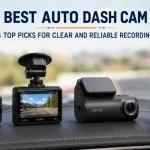
Imagine a device that not only protects you from fraudulent claims and captures the beauty of a scenic drive but also puts money back in your pocket every single month. That is the promise of the modern dash cam, a small camera mounted on your windshield or dashboard that records the road ahead. As we move through 2026, the question on every driver’s mind is no longer just about safety, but about cost: will installing a dash cam actually lower your car insurance premium?
This topic matters more than ever because insurance rates have been climbing steadily, driven by inflation, rising repair costs, and an increase in staged accidents and fraudulent claims. In this comprehensive guide, we will explore exactly how dash cams can influence your insurance costs, which companies offer the best discounts, what you need to do to qualify, and the real-world savings you can expect. By the end, you will have a clear roadmap to potentially reduce your premiums while gaining invaluable peace of mind on the road.
The Direct Link Between Dash Cams and Insurance Discounts
The most straightforward way a dash cam can make your car insurance cheaper is through a direct premium discount offered by your insurer. As of 2026, a growing number of major insurance companies have recognized that drivers with dash cams are statistically less likely to be involved in fraudulent claims and are often more cautious behind the wheel. This lower risk profile translates into tangible savings, typically ranging from 5% to 15% off your annual premium, depending on the provider and your policy.
For example, insurers like Progressive, Nationwide, and Allstate have formal programs that reward drivers who install and use dash cams. Some companies, such as Nextbase and certain regional insurers, partner with dash cam manufacturers to offer verified discounts. The discount is often applied as a line item on your policy, similar to a good driver or multi-policy discount. It is important to note that these discounts are not automatic; you must typically provide proof of installation, such as a photo of the camera mounted in your vehicle, and confirm that it is operational whenever the car is in use.
Beyond the percentage discount, some insurers offer a usage-based insurance (UBI) program that integrates with a dash cam. In these programs, the camera records your driving habits—speed, braking, cornering, and even time of day—and transmits the data to the insurer. Safe drivers can earn significant discounts, sometimes up to 30% more. However, this approach requires you to your driving data, which may not be comfortable for everyone. The key takeaway is that while not every insurer offers a dash cam discount, the trend is strongly in favor of rewarding drivers who take proactive steps to document their driving.
Key Takeaways
- ✓ Direct insurance discounts for dash cams typically range from 5% 15% off your annual premium, with some usage-based programs offering up to 30% savings.
- ✓ Dash cams are a powerful tool against insurance fraud, providing irrefutable evidence that can exonerate you from fault and prevent premium increases.
- ✓ Major insurers like Progressive, Nationwide, and Allstate offer dash cam discounts, but you must proactively ask and provide proof of installation.
- ✓ The cost of a quality dash cam is often recouped within one to two years through insurance savings alone, not counting the value of accident prevention.
- ✓ To maximize your discount, maintain your dash cam regularly, check for approved models, and understand the privacy terms of any data-sharing program.
Frequently Asked Questions
Will any dash cam get me an insurance discount?
Not necessarily. While many insurers accept any dash cam, some only offer discounts for specific models or cameras that are part of their telematics program. Always check with your insurance provider before purchasing to ensure compatibility. A basic camera that records continuously is often sufficient, but a model with GPS and cloud storage may be required for certain usage-based programs.
How much can I actually save on my car insurance with a dash cam?
Savings vary widely by insurer and your driving record. On average, you can expect a direct discount of 5% to 15% on your annual premium. For a driver paying $1,500 per year, that is $75 to $225 in savings. Usage-based programs that monitor your driving can offer discounts of 20% to 30% or more, but these are contingent on safe driving behavior.
Do I need to tell my insurance company I have a dash cam?
Yes, if you want a discount. If you do not inform your insurer, you will not receive any premium reduction. However, you are not legally required to tell them you have a camera. Many drivers choose to keep it a secret to avoid any potential rate increases from monitored driving. The decision depends on whether you value the discount more than your privacy.
Can a dash cam actually increase my insurance premium?
Yes, in certain situations. If you enroll in a usage-based program that records your driving, poor habits like speeding, hard braking, or driving late at night can lead to a rate increase. Additionally, if you are at fault in an accident and the dash cam footage clearly shows your negligence, the insurer will use that evidence to deny your claim or raise your rates. The camera is a neutral tool; it can help or hurt depending on your driving.
What happens if my dash cam stops working and I have an accident?
If your dash cam fails to record an accident, you will not have the video evidence to support your claim. This could put you at a disadvantage if the other driver disputes the facts. Most insurers will not penalize you for a non-functioning camera, but will lose the potential benefit of the footage. To avoid this, regularly check your camera’s operation, format the memory card monthly, and consider a model with a built-in battery or capacitor that ensures it records until the last moment.
Conclusion
In summary, the answer to the question is car insurance cheaper with a dash cam is a resounding yes, but with important caveats. You can save money through direct discounts from insurers, by avoiding fraudulent claims, and by preventing accidents through safer driving. The key is to do your homework: check with your insurance provider, choose a compatible dash cam, and maintain it properly. The upfront cost of a dash cam is modest compared to the potential long-term savings and the invaluable protection it provides.
As you move forward in 2026, consider the dash cam not just as a gadget, but as a financial tool and a safety device. Start by calling your insurance agent today to ask about available discounts. Then, research a dash cam that fits your budget and needs. Install it, test it, and make it a permanent part of your driving routine. The peace of mind you gain, combined with the money you save, will make it one of the best investments you make for your vehicle this year.

Tony Kilmer is an auto mechanic and the author behind CarTruckAdvisor.com. He shares practical, no-nonsense guidance on car and truck maintenance, common problems, and repair decisions—helping drivers understand what’s going on and what to do next.