Imagine a world where you never have to wrestle with a tangle of cables dangling across your windshield, hide unsightly wires under your headliner, or worry about a dangling USB cord interfering with your gear shift. For years, the holy grail of dash cam technology has been the promise of a truly wireless device—one that records your drive without a single wire in sight. As of 2026, the answer to the question "is there any wireless dash cam?" is a resounding yes, but the reality is more nuanced than a simple yes or no.
This article will cut through the marketing hype to explain exactly what "wireless" means in the dash cam world today. You will learn the critical difference between wireless power and wireless data transfer, explore the best truly wireless options on the market, and discover how to choose a system that fits your vehicle and lifestyle. Whether you are a daily commuter, a rideshare driver, or a road trip enthusiast, understanding the current state of wireless dash cam technology will help you make an informed purchase and finally achieve that clean, cable-free windshield you have been dreaming of.
Defining "Wireless": The Critical Distinction Between Power and Data
When you search for a wireless dash cam, you will quickly discover that the term is used loosely by manufacturers. The most important distinction to understand is the difference between a camera that is wireless for data transfer and one that is wireless for power. A dash cam that is wireless for data uses Wi-Fi or Bluetooth to video files to your smartphone, eliminating the need to remove a memory card and plug it into a computer. However, this type of camera almost always still requires a physical power cable connected to your car's 12V outlet or fuse box.
On the other hand, a dash cam that is wireless for power uses a built-in rechargeable battery or a supercapacitor to operate without a constant connection to your vehicle's electrical system. These are the cameras that truly eliminate the power cable, but they come with significant trade-offs in recording time and reliability. In 2026, the most advanced systems combine both features, offering Wi-Fi data transfer and a battery that can last for several hours, but no camera on the market can record indefinitely without some form of power source.
The key takeaway here is that a "truly wireless" dash cam, in the sense of having no cables at all, is a battery-powered device. These are excellent for temporary use, rental cars, or parking mode surveillance, but they are not a replacement for a hardwired system if you drive for long periods daily. Understanding this distinction will prevent disappointment and help you select the right tool for your specific needs.
The Best Truly Wireless Dash Cams of 2026: Battery-Powered Options
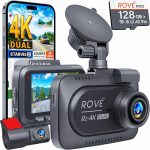
For drivers seeking a dash cam with absolutely no cables, the market in 2026 offers several compelling battery-powered options. These devices are designed to be mounted on the windshield and run on internal lithium-ion batteries or supercapacitors. The most popular models, such as the Garmin Dash Cam Mini 3 and the Nextbase 622GW, offer excellent video quality and can record for up to two to four hours on a full charge, depending on resolution and features like GPS and parking mode.
These battery-powered cameras are ideal for short commutes, rideshare drivers who want a quick setup, or anyone who frequently switches between vehicles. For example, a rideshare driver can mount the camera at the start of their shift, record for a few hours, and recharge the unit at home or in the office. The Garmin Mini 3, in particular, is a favorite because of its tiny size and magnetic mount, making it easy to remove and store. However, it is crucial to note that these cameras will not record continuously on a long road trip without being plugged in.
Another innovative category is the "clip-on" dash cam, like the Rexing V1P Pro, which attaches to your rearview mirror and draws power from the mirror's own wiring. While this still involves a wire, it is a very short, hidden connection that many users consider functionally wireless. For a truly cable-free experience, the battery-powered models remain the gold standard, but you must be prepared to manage their charging schedule and accept that they will not record your entire 12-hour drive without interruption.
The "Semi-Wireless" Revolution: Hardwired Kits and OBD-II Power
If you want the clean look of a wireless setup but need continuous recording for long drives, the "semi-wireless" approach is your best bet in 2026. This involves using a hardwiring kit that connects your dash cam directly to your vehicle's fuse box, hiding the power cable entirely within the headliner, A-pillar, and dashboard. While there is technically a wire, it is invisible to the driver and passengers, achieving the aesthetic goal of a wireless installation.
The most popular semi-wireless solution is the OBD-II (On-Board Diagnostics) power cable. This small adapter plugs into your car's OBD-II port, usually located under the steering wheel, and provides constant power to your dash cam. The cable is short and can be tucked away easily, making it a favorite for users who want professional-looking installation without the complexity of tapping into the fuse box. Brands like VIOFO and BlackVue offer OBD-II power cables that support parking mode, allowing your camera to record when the car is off.
For the ultimate semi-wireless experience, consider a dash cam with a built-in cellular connection, such as the BlackVue DR900X-Plus. This camera uses a SIM card to upload footage to the cloud, making it truly wireless for data transfer. When paired with a hardwiring kit or OBD-II cable, you get a system that has no visible wires inside the cabin and automatically backs up your footage to the cloud. This is the closest you can get to a fully wireless, always-on system in 2026, and it is the preferred choice for fleet managers and security-conscious drivers.
Wireless Data Transfer: Wi-Fi, Bluetooth, and Cloud Connectivity
Even if your dash cam has a power cable, it can still be considered "wireless" if it transfers data without a physical connection. This is where Wi-Fi and Bluetooth come into play. Most modern dash cams, including the popular Thinkware U1000 and the Garmin Dash Cam 67W, feature built-in Wi-Fi that allows you to connect your smartphone directly to the camera. This enables you to view live footage, download clips, and change settings without removing the memory card.
Bluetooth is typically used for a more basic connection, such as automatically starting a recording when you start the car or receiving low-battery alerts. However, Wi-Fi is the standard for transferring high-definition video files. The process is simple: you open the manufacturer's app, connect to the camera's Wi-Fi network, and select the clips you want to save. The transfer speed has improved dramatically by 2026, with many cameras supporting 5GHz Wi-Fi for faster downloads.
The most advanced wireless data transfer method is cloud connectivity. Cameras like the BlackVue DR970X-Plus and the Nextbase iQ use a built-in LTE modem or a connection to your smartphone's hotspot to upload footage to a cloud server automatically. This means you can check on your car from anywhere in the world, receive real-time alerts for impacts or motion, and never worry about losing footage if the camera is stolen. is the pinnacle of wireless data transfer, but it requires a monthly subscription for cellular data, which is a cost to consider.
How to Choose the Right Wireless Dash Cam for Your Needs in 2026
Key Takeaways
- ✓ A truly wireless dash cam exists but is battery-powered, limiting continuous recording to 2-4 hours before needing a recharge.
- ✓ The term "wireless" often refers to data transfer via Wi-Fi or Bluetooth, not the power source; most cameras still need a cable for power.
- ✓ Semi-wireless solutions like hardwiring kits and OBD-II cables hide the power wire for a clean look while allowing continuous recording.
- ✓ Cloud-connected dash cams with LTE offer the most advanced wireless experience, enabling remote viewing and automatic backup.
- ✓ Choose a battery-powered model for short commutes and a hardwired model for long drives or 24/7 parking surveillance.
Frequently Asked Questions
Can a dash cam work without any wires at all?
Yes, but only for a limited time. Battery-powered dash cams, like the Garmin Dash Cam Mini 3, can record for 2-4 hours on a full charge. They are perfect for short trips but will need recharging for longer drives. There is no dash cam that can record indefinitely without a power source.
What is the difference between a wireless dash cam and a Wi-Fi dash cam?
A Wi-Fi dash cam uses wireless technology to transfer video files to your phone, but it still requires a power cable. A truly wireless dash cam has no power cable and runs on a battery. Most manufacturers use "wireless" to mean Wi-Fi connectivity, so always check the power requirements before buying.
How do I install a dash cam without visible wires?
You can achieve a wire-free look by using a hardwiring kit that connects to your car's fuse box, or an OBD-II power cable that plugs into the diagnostic port under your steering wheel. Both methods hide the cable inside the car's trim, leaving only a short, visible section near the camera.
Are battery-powered dash cams safe in hot weather?
It depends on the battery type. Lithium-ion batteries can swell or leak in extreme heat. For hot climates, look for a dash cam with a supercapacitor instead of a battery.capacitors are much more heat-resistant and safer, though they hold less charge for parking mode.
Do I need a subscription for a wireless dash cam?
Not always. Basic Wi-Fi connectivity is free and does not require a subscription. However, cloud-connected dash cams that use cellular data to upload footage to the cloud typically require a monthly or annual subscription plan, which can range from $5 to $20 per month depending on the provider and data allowance.
Conclusion
The quest for a truly wireless dash cam in 2026 has been largely successful, but it requires a clear understanding of your priorities. Battery-powered models offer the ultimate in cable-free convenience for short trips, while semi-wireless hardwired systems provide the reliability needed for long drives and parking surveillance. Cloud-connected cameras represent the cutting edge, combining wireless data transfer with remote access, but they come with ongoing costs. The key is to match the technology to your lifestyle, not the other way around.
As you shop for your next dash cam, remember to look beyond the marketing label of "wireless." Examine the power source, the data transfer method, and the installation requirements. Whether you choose a tiny battery-powered unit for your rental car or a sophisticated cloud-connected system for your daily driver, the technology available today can give you a clean, cable-free windshield and the peace of mind that comes with having a reliable witness on every journey. Take the time to assess your needs, read recent reviews, and invest in a system that will serve you well for years to come.

Tony Kilmer is an auto mechanic and the author behind CarTruckAdvisor.com. He shares practical, no-nonsense guidance on car and truck maintenance, common problems, and repair decisions—helping drivers understand what’s going on and what to do next.