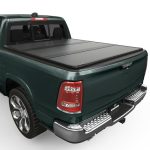
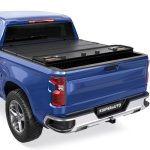
You’ve invested in a sleek, hard-folding or retractable tonneau cover to protect your truck bed, only to find it violently flapping, rattling, or even lifting at highway speeds. This isn’t just an annoying noise; it’s a symptom of a fundamental physics challenge known as the tonneau cover air pressure problem. This phenomenon occurs when air flowing over your moving truck creates differential pressure zones, turning your cover into an unwitting wing or sail that strains its components and compromises security.
Understanding and solving this issue is crucial for any truck owner. A cover that doesn’t seal properly can allow water and dust ingress, damage the cover’s mechanism, reduce fuel efficiency by creating drag, and even become a safety hazard. This article will demystify the aerodynamics at play, identify the common culprits behind poor performance, and provide a comprehensive guide to diagnosing and permanently solving air pressure problems. You will learn how to achieve a quiet, secure, and reliable seal that protects your cargo in all conditions.
The Aerodynamics of a Truck Bed: Understanding the Pressure Zones
To solve the flapping problem, you must first understand the invisible forces causing it. As your truck moves forward, air flows over the cab and creates a high-pressure zone at the front of the bed, right behind the rear window. This air then travels across the bed and separates at the tailgate, creating a turbulent, low-pressure zone directly above the bed and behind the truck. Your tonneau cover sits between these two zones. A well-sealed cover simply bears this pressure difference. However, if air can get under the cover at the front or sides, it pressurizes the enclosed bed space. The higher pressure under the cover then pushes upward against the low-pressure area above it, causing the panels to lift, flex, and flap.
This effect is most pronounced with certain cover designs. Soft roll-up and trifold covers, if not tensioned correctly, are particularly susceptible as their material can billow. Even hard covers are not immune; multi-panel folding covers can see the leading edge lift, breaking the seal for subsequent panels. Retractable covers in their canisters can also allow air ingress if the leading edge seal is compromised. The speed at which this occurs is often called the "lift speed," and it varies based on cover quality, truck model, and installation.
The key principle is that the cover itself is not generating lift; it is reacting to the pressure differential created by poor sealing. Think of it like a balloon. If you pinch the neck, the air inside is at higher pressure and the balloon stays inflated. If you let go, the air rushes out. In the case of your tonneau, the goal is to prevent the "higher pressure" air from getting in underneath in the first place, so the cover remains stable and quiet.
Common Culprits: Diagnosing Your Cover’s Weak Points
Diagnosis is a systematic process of checking each potential failure point. Start with the front bulkhead seal. This is the rubber or foam gasket that presses against the back of your truck cab. Over time, this seal can compress, harden, or become misaligned. Dirt and debris can also prevent a tight closure. Inspect it for gaps, tears, or a lack of springiness. Next, examine the side rail seals. These run the length of the bed and are critical for sealing the sides of the cover. Ensure the cover’s clamping mechanism is fully engaged and that the seal is making continuous contact with the bed rail. Look for pinching or rolling of the seal material.
The tailgate seal is often overlooked. While the cover seals to the bed, the tailgate itself must seal to the bed. If your tailgate’s factory seals are worn or if there’s a significant gap, air can rush in from the rear, pressurizing the bed from behind. Finally, inspect the cover’s own panels and seams. On soft covers, check for proper tension. On folding hard covers, ensure the hinge seals between panels are intact and that the latches or locking mechanisms are pulling each panel down securely. A loose latch is a direct invitation for air intrusion.
For a practical test, drive on a highway and have a passenger safely observe or record the cover’s behavior. Does the flapping start at a specific speed, like 55 mph? Does it originate from the front corner or the center? This observation can pinpoint the leak location. Alternatively, on a windy day, you can park the truck and listen for whistles or feel for air movement around the seals, using a thin piece of paper to see if it gets pulled into gaps.
Proactive Solutions and Upgrades for a Perfect Seal
Once you’ve identified the weak points, you can apply targeted solutions. For compromised seals, replacement is often the best option. Many manufacturers sell replacement bulb seals or weatherstripping kits. When installing new seals, clean the surface thoroughly with rubbing alcohol to ensure proper adhesion. For side rails, consider upgrading to a D-shaped or hollow bulb seal, which can provide a more robust, compression-based seal than a simple flat foam tape. Applying a silicone-based protectant can keep rubber seals pliable and prevent UV degradation.
If the front bulkhead seal is the issue, you may need to adjust the cover’s position. Loosen the mounting clamps slightly, push the cover assembly firmly against the cab, and retighten. For covers with adjustable front latches, ensure they are applying adequate downward pressure. For gaps at the tailgate, you can install aftermarket tailgate seal kits. These are typically thick rubber strips that attach to the tailgate itself, creating a tighter seal against the bed when closed. This not only helps with air pressure but also reduces dust and water entry.
For soft covers, re-tensioning is crucial. Most models have adjustment points, often at the front corners or within the roll-up mechanism. Consult your manual and tighten the tension gradually, checking that the cover is drum-tight across the bed. Avoid over-tightening, which can damage the fabric or mechanism. On hard folding covers, inspect and tighten all mounting hardware and panel connection points annually, as vibration can loosen them over time.
The Role of Design and Material in Pressure Management
Not all tonneau covers are created equal when it comes to managing airflow. Design philosophy plays a massive role. One-piece solid covers (fiberglass or aluminum) generally have the fewest sealing points and, when installed with a full perimeter gasket, offer the best inherent resistance to air pressure problems. Their solid surface simply deflects airflow. Retractable covers, which roll into a canister, must have an exceptionally robust seal along the leading edge that travels with the cover. High-end models use dual or triple-sealing systems with brush piles and compression seals to prevent air ingress at any position.
Material choice is equally important. For soft covers, vinyl quality and reinforcement matter. A cheap vinyl will stretch and flex more than a marine-grade, canvas-reinforced vinyl. For hard covers, the weight and rigidity of the panels (whether aluminum, polymer, or composite) determine their resistance to flexing under pressure. Furthermore, the design of the hinge system between panels is critical. Advanced designs use sealed, low-profile hinges with integrated gaskets that prevent air from funneling between panels, a common failure point in cheaper folding models.
When shopping for a new cover with aerodynamics in mind, look for features like "aircraft-grade seals," "vortex-resistant designs," or "integrated tailgate seals." Read reviews specifically mentioning high-speed stability. A reputable brand will engineer their product to handle the pressure differential, not just as an afterthought. The investment in a well-designed cover from the start is often the most permanent solution to the air pressure dilemma.
Maintenance and Long-Term Care for Lasting Performance
Solving the air pressure problem is not a one-time fix; it requires ongoing maintenance to ensure the seal remains effective. Establish a seasonal inspection routine. Every three to six months, clean all seal surfaces with a mild soap and water solution to remove dirt, pollen, and road grime that can abrade the rubber. After cleaning, apply a rubber protectant like 303 Aerospace Protectant. This prevents the seals from drying out, cracking, and losing their elasticity, which is the primary cause of seal failure over time.
Lubricate moving parts according to the manufacturer’s instructions. Use a silicone-based lubricant for latches, hinges, and tracks on retractable covers. This ensures mechanisms operate smoothly and can apply their full clamping force. For folding covers, check the torque on mounting clamps and panel bolts annually, as road vibrations can loosen them. Also, be mindful of how you load your truck. Placing a heavy box directly against the tailgate can force it open slightly, breaking the seal. Distribute weight evenly and avoid putting upward pressure on the cover panels from underneath.
Finally, store your cover properly if you ever remove it. For soft covers, roll or fold them loosely and store in a cool, dry place. For hard folding covers, avoid stacking weight on them. Proper care extends the life of the seals and mechanical components, ensuring that your solution to the air pressure problem remains effective for years and thousands of miles to come.
Key Takeaways
- ✓ The flapping tonneau cover is caused by a pressure differential: high-pressure air enters the bed through leaks and pushes up against low-pressure air flowing over the truck.
- ✓ The most common failure points are the front bulkhead seal, side rail seals, tailgate gap, and loose cover hardware or tension.
- ✓ Upgrading to higher-quality D-shaped seals, installing a tailgate seal kit, and properly tensioning or adjusting your cover are effective DIY fixes.
- ✓ Cover design significantly impacts performance; one-piece and well-sealed retractable/folding covers are inherently better at managing airflow.
- ✓ Regular maintenance, including cleaning seals, applying protectant, and lubricating mechanisms, is essential for long-term prevention of air pressure issues.
Frequently Asked Questions
Can a flapping tonneau cover actually get damaged or cause damage?
Absolutely. Constant flapping and flexing can fatigue the cover’s materials, leading to cracked panels on hard covers, torn stitching or vinyl on soft covers, and failed hinges or latches. It also places undue stress on the mounting points, potentially damaging your truck’s bed rails. Furthermore, a compromised seal allows water, dust, and debris into your bed, defeating the primary purpose of the cover.
Will solving the air pressure problem improve my gas mileage?
Yes, it can. A tonneau cover that is flapping or not sealed properly creates significant aerodynamic drag, much like an open parachute. A secure, flush-fitting cover smooths airflow over the bed, reducing turbulence and drag. While mileage gains vary (typically 1-5%), the reduction in drag directly translates to less engine strain and improved fuel efficiency, especially at highway speeds.
I have a tri-fold hard cover. The front panel is tight, but the second panel flaps. Why?
This is a classic symptom. If the leading edge of the first panel has even a minor seal break, air rushes underneath. Once pressurized, the air then travels to the second panel and exploits any weakness in the inter-panel hinge seal or its own latches. The fix is to first ensure the front panel’s seal against the cab and side rails is perfect, then check the rubber hinge seal between the first and second panels for gaps or damage.
Are some trucks more prone to this problem than others?
Yes. Truck aerodynamics play a role. Models with a more severe drop or gap between the cab roof and the bed (like some older designs) can create a larger, more turbulent low-pressure zone. Similarly, lifted trucks or those with larger tires can alter airflow patterns. However, the root cause remains the seal integrity of the cover itself. A properly sealed cover will perform well on most stock vehicle configurations.
Is it worth trying DIY fixes, or should I just buy a new, more expensive cover?
Always try the DIY diagnostics and fixes first. Many air pressure problems are solved with a $20 seal kit, some careful adjustment, and proper tensioning. This process also helps you understand your cover’s system. If, after methodically addressing all seals and mechanisms, the problem persists on a lower-end cover, it may be a fundamental design flaw. In that case, investing in a higher-quality, aerodynamically engineered cover is the logical next step.
Conclusion
The tonneau cover air pressure problem is a widespread but solvable issue rooted in basic aerodynamics and seal integrity. By understanding how pressure differentials affect your truck bed, you can move from frustration to a systematic diagnosis. Addressing common weak points like worn seals, loose hardware, and the critical tailgate gap can transform a noisy, unreliable cover into a silent, secure cargo management system. The solutions range from simple maintenance and inexpensive seal upgrades to selecting a cover designed from the ground up for aerodynamic stability.
Your truck’s tonneau cover is a vital piece of equipment, and it should work for you, not against you. Take a weekend to inspect, clean, and adjust your current setup using the guidelines provided. The reward is a quieter ride, better fuel economy, and the confidence that your cargo is protected from the elements. If your cover is beyond simple repair, let this knowledge guide you to a smarter purchase, ensuring your next investment delivers the seamless performance you expect on the open road.

Tony Kilmer is an auto mechanic and the author behind CarTruckAdvisor.com. He shares practical, no-nonsense guidance on car and truck maintenance, common problems, and repair decisions—helping drivers understand what’s going on and what to do next.