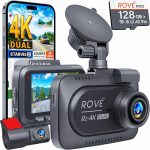
A dash cam is a small video camera you mount on your car’s dashboard or windshield to record the road ahead. This simple device can be a driver’s best friend, capturing everything that happens during a drive for safety and proof.
Think of it like a security camera for your car. It turns on when you start the engine and records a continuous loop. If something happens, like a crash or a near miss, you have a video record of the event.
People use them for peace of mind. The footage can show what really happened in an accident. This can help with insurance claims and police reports.
So, what is a dash cam good for? It’s good for protecting yourself. It gives you clear proof when you need it most.
What is a Dash Cam and How Does It Work?
Let’s break down the basics. A dash cam is a simple tool that does one job very well.
You plug it into your car’s power outlet or wire it to the fuse box. When you drive, it records video onto a memory card. Most models record in a loop, overwriting the oldest files when the card gets full.
Many dash cams have a feature called G-sensor. This senses sudden bumps or hits. When it feels a crash, it locks the current video file so it doesn’t get erased.
This is the core answer to what is a dash cam. It’s an automatic witness. You don’t have to press record. It just works every time you drive.
Some models have two cameras. One films the road ahead. Another films the inside of the car or the rear window. This gives even more coverage.
The goal is always the same. It captures the truth of the road. This is why understanding what is a dash cam is so important for drivers today.
Why You Might Want a Dash Cam
There are many good reasons to get one. The main reason is protection from false claims.
Imagine someone hits your car and then says it was your fault. Your dash cam video shows the truth. This can save you a lot of money and stress.
Insurance companies like video proof. According to the Insurance Information Institute, video can help speed up a claim. It removes the “he said, she said” problem.
You can also catch hit-and-run drivers. If someone hits your parked car and drives off, a dash cam might catch their license plate. This is a huge help for police.
Some people use them to record road trips or scenic drives. It’s a fun way to remember a long journey. You can see the changing landscapes.
For professional drivers, like truck or taxi drivers, a dash cam is almost a must. It protects them and their business. It records interactions with passengers and other drivers.
So, what is a dash cam’s biggest benefit? It gives you control. You have your own evidence ready to go.
The Different Types of Dash Cams
Not all dash cams are the same. You can pick one that fits your needs and budget.
The most common type is the single-lens dash cam. It points forward and records the road ahead. This is a great basic choice for most drivers.
Dual-lens or two-channel dash cams are also popular. They have a second camera. This second lens can record the cabin inside your car or the road behind you.
There are also mirror dash cams. These replace your car’s rearview mirror. They look like a normal mirror but have a camera built into the back. This is a very clean setup.
Some high-end models have advanced features. They might have GPS to track your speed and location. Others have Wi-Fi so you can download videos to your phone easily.
When you ask what is a dash cam, you should know your options. A basic model does the main job well. You don’t always need the fancy extras.
Think about what you need to see. Just the front? Or the inside and back too? Your answer will guide your choice.
How to Set Up Your Dash Cam
Setting up a dash cam is pretty easy. You can often do it yourself in about thirty minutes.
First, find the best spot on your windshield. The usual place is behind the rearview mirror. This gives a clear view but stays out of your line of sight.
Clean the glass with the provided alcohol wipe. Then stick the mount firmly. Make sure the camera lens is level with the road.
Next, plug the power cable into the dash cam. Route the cable along the edge of the windshield and down the door frame. Tuck it into the gaps so it looks neat.
Plug the other end into your car’s 12V power outlet (the cigarette lighter). Some people hardwire it for a cleaner look. This means connecting it directly to the car’s fuse box.
Insert a memory card into the slot. Turn on your car. The dash cam should power on and start recording automatically. Check the view on the screen to make sure it’s aimed right.
That’s the basic setup. Now you know not just what is a dash cam, but how to get it working in your own car.
Common Mistakes People Make with Dash Cams
A lot of people buy a dash cam but don’t use it right. Avoid these simple errors to get the best results.
The biggest mistake is a bad camera angle. If the lens points too high, you’ll just record sky. If it points too low, you’ll miss important details like traffic lights.
Another error is using a cheap memory card. Dash cams write data constantly. A low-quality card will fail quickly. Get a high-endurance card made for this use.
People also forget to format the memory card. You should do this in the dash cam’s menu every month or so. It keeps the card healthy and stops recording errors.
Not checking the footage is another issue. You should look at a video clip now and then. Make sure the camera is clean and the video is clear.
Some drivers turn the dash cam off. They think it’s an invasion of privacy. But if it’s off when you need it, it’s useless. Leave it on when you drive.
Understanding what is a dash cam includes knowing how to avoid these pitfalls. A small setup mistake can ruin the video when it matters most.
Legal and Privacy Things to Know
Dash cams are legal in most places, but there are some rules. You need to know them before you start recording.
In the United States, you can generally record video in public places. The road is a public place. But audio recording laws are different. Some states need all parties to agree to be recorded.
Many dash cams let you turn off the audio. If you’re worried about laws, just record video without sound. The video is the most important part anyway.
Be careful about where you mount it. Most states have rules about blocking the windshield. The National Highway Traffic Safety Administration (NHTSA) says not to block the driver’s view. Mount it behind the mirror or in the lower corner of the passenger side.
If you record passengers, you should tell them. This is just polite. A small sticker on the window can let people know they are on camera.
When you travel to a new state or country, check the local laws. Some places in Europe have strict rules about constant recording. Knowing what is a dash cam allowed to do keeps you out of trouble.
The key point is to use common sense. The dash cam is for safety, not for spying on people.
Picking the Right Dash Cam for You
With so many choices, how do you pick one? Focus on a few key features that matter to you.
First, think about video quality. Look for a model that records in at least 1080p Full HD. This gives clear details like license plates and street signs. Some record in 4K, but that uses more memory card space.
Next, consider the field of view. A wider angle sees more of the road to the sides. But if it’s too wide, things in the center look small and far away. Around 140 degrees is a good middle ground.
Look for a good G-sensor. This is the crash detection feature. It should be sensitive enough to lock files during a real crash but not from just going over a bump.
Check if it works in all temperatures. Cars get very hot in summer and very cold in winter. The U.S. Department of Energy notes car interiors can heat up fast. Your dash cam needs to handle that heat.
Do you want a screen? Screens are handy for setup but can be distracting. Some models are screenless and use your phone for setup. This keeps the device smaller.
Asking what is a dash cam that’s right for you means matching features to your life. A simple, reliable model is often the best choice.
Real Life Stories: When a Dash Cam Helped
Hearing real stories shows why a dash cam is useful. These things happen to people every day.
One driver was stopped at a red light. A car behind them didn’t stop and caused a rear-end crash. The other driver told police they were brake-checked. The dash cam video showed the truth: the car was fully stopped for ten seconds.
Another story involves a parking lot hit-and-run. Someone backed into a parked car and drove off quickly. The owner’s dash cam was still on and caught the other car’s plate. Police found the driver easily.
There are also stories of fraud. In some places, people jump in front of cars on purpose to fake an injury. This is called a “crash for cash” scam. A dash cam proves the driver didn’t do anything wrong.
One family on a road trip captured a amazing meteor in the sky. Their dash cam recorded it perfectly. They shared the video online and it became a fun memory.
These stories answer the question of what is a dash cam for. It’s a tool that captures unexpected moments, both bad and good. It turns your word into proof.
I think every driver should have one. The cost is low compared to the peace of mind it brings.
Keeping Your Dash Cam Working Well
To rely on your dash cam, you need to take care of it. A little maintenance goes a long way.
Keep the lens clean. Wipe it gently with a soft cloth every week or two. A dirty lens makes blurry, useless video. You might miss a crucial detail.
Check the memory card often. Make sure it’s not full of locked files. If it is, save the files you need to a computer and then format the card in the camera.
Look at the power connection. Cables can get loose over time from vibration. Make sure the plug is snug in the outlet. If your camera uses a battery, know that heat can kill it over time.
Update the firmware sometimes. Manufacturers release updates to fix bugs. Check their website every few months. This keeps your dash cam running smoothly.
Test it after a very hot or cold spell. Extreme weather can affect electronics. Take a short drive and make sure it’s still recording properly.
Understanding what is a dash cam includes knowing it needs a little care. A few minutes of upkeep ensures it works the one time you really need it.
Frequently Asked Questions
What is a dash cam’s main purpose?
Its main job is to record video while you drive. This video can be used as evidence if there is an accident or a dispute about what happened on the road.
Does a dash cam record all the time?
Most dash cams record whenever your car is on. Some have a parking mode that records when the car is off and gets bumped. This needs special wiring to work.
How long does dash cam footage last?
It depends on your memory card size and video quality. On a loop, old footage gets erased for new. Important clips locked by the G-sensor stay until you delete them.
Will a dash cam drain my car battery?
If it’s plugged into the 12V outlet, it usually turns off with the car. Hardwired dash cams with parking mode can drain the battery if left for many days. Good models have a voltage cut-off to prevent this.
What is a dash cam’s biggest drawback?
Some people find them ugly or distracting. There’s also the small cost and the need to manage the memory card. But most users think the benefits are much bigger than the drawbacks.
Can I use my phone as a dash cam?
You can use an app, but it’s not as good. Your phone will overheat, run out of battery, and you can’t use it for other things.

Tony Kilmer is an auto mechanic and the author behind CarTruckAdvisor.com. He shares practical, no-nonsense guidance on car and truck maintenance, common problems, and repair decisions—helping drivers understand what’s going on and what to do next.