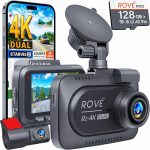
You have just purchased a new dash cam to protect yourself from insurance fraud, capture scenic road trips, or provide evidence in an accident. You open the box, plug it in, and then face the most critical decision of the installation: where exactly should you mount it? The placement of your dash cam is not a matter of convenience; it is a matter of legality, safety, and effectiveness. A poorly positioned camera can miss crucial footage, obstruct your view, or even get you a traffic ticket.
In 2026, dash cams have become standard equipment for millions of drivers, yet improper mounting remains the number one reason for useless footage. This guide will walk you through the optimal mounting locations for front-facing, rear-facing, and interior cameras. You will learn the legal requirements in various jurisdictions, the physics of lens angles, and the practical tips for a clean, professional installation. By the end, you will know exactly where to place your device to capture the best evidence without compromising your safety or violating the law.
The Golden Rule: The Center of the Windshield Behind the Rearview Mirror
The single best location for a front-facing dash cam is directly behind the rearview mirror, centered on the windshield. This position offers the most balanced field of view, capturing both the left and right sides of the road equally. When mounted here, the camera sits in the vehicle's "swept area" of the windshield wipers, ensuring a clear view even during rain or snow. Furthermore, this location is typically outside the driver's direct line of sight, minimizing distraction while driving.
To achieve this placement, you will need to tuck the power cable along the headliner, down the A-pillar, and into your fuse box or cigarette lighter. Many modern dash cams in 2026 come with adhesive mounts that are extremely strong, so choose your spot carefully. Before sticking the mount, test the camera's view by holding it in place while sitting in the driver's seat. You want the camera to see the entire hood and the road ahead, but not so much of the dashboard that it creates a glare. A common mistake is mounting the camera too low, which results in a large portion of the frame being filled with the hood, reducing the effective capture area.
One critical consideration for this location is the presence of rain sensors or advanced driver-assistance systems (ADAS) cameras. Many modern vehicles have a cluster of sensors mounted behind the rearview mirror. You must mount your dash cam slightly to the side of these sensors, usually on the passenger side of the mirror housing. Blocking an ADAS camera can disable features like lane-keeping assist or automatic emergency braking. Always check your owner's manual to identify the sensor zones on your windshield before applying any adhesive.
The Passenger Side: A Legal and Practical Alternative
If you cannot mount the camera directly behind the rearview mirror due to sensor clusters or a large mirror housing, the next best option is the upper passenger side of the windshield. This location is often preferred by drivers in countries where windshield obstructions are heavily regulated. In many U.S. states and European countries, any object mounted in the driver's primary viewing area can result in a traffic citation. By placing the camera on the passenger side, you keep it out of your direct line of sight and comply with most "obstruction of view" laws.
The trade-off with a passenger-side mount is a slightly skewed perspective. The camera will capture more of the passenger side of the road and less of the driver's side. This is generally acceptable because most hazards, such as merging traffic and pedestrians, approach from the right side in countries that drive on the right. However, if you frequently drive in areas where hazards come from the left (e.g., passing lanes on highways), you may miss some critical footage. To mitigate this, look for a dash cam with a wide-angle lens of at least 140 degrees, which will help compensate for the offset position.
When mounting on the passenger side, pay attention to the airbag deployment zones. Never mount a dash cam or run a cable in front of a side curtain airbag. The airbag deploys with explosive force, and a camera or loose cable can become a dangerous projectile. The safest practice is to run the cable along the top edge of the windshield and down the A-pillar, ensuring it is tucked behind the trim and away from any airbag deployment paths. This location also has the benefit of being less visible to potential thieves, as it is partially hidden by the rearview mirror from outside the vehicle.
Rear Window Placement: Capturing What Happens Behind You
For a rear-facing dash cam, the location is the top center of the rear window, just below the rear windshield wiper's sweep path. This position provides a clear view of traffic approaching from behind, which is essential for capturing rear-end collisions, tailgating incidents, or hit-and-run drivers. In 2026, many dual-channel dash cam systems come with a rear camera that connects via a long cable. The installation requires running this cable from the front unit, along the headliner, down the C-pillar, and to the rear window.
A common challenge with rear window mounting is tinted glass. Many factory tints and aftermarket films can significantly reduce the clarity of your footage, especially at night. If your rear window has a dark tint, consider mounting the camera on the rear deck or using a suction cup mount on the glass itself, but be aware that suction cups can fail in extreme heat. For vehicles with privacy glass, you may need to mount the camera outside the tinted area, typically near the top edge where the tint is lighter or absent. Alternatively, some high-end dash cams in 202 feature "night vision" or "Starlight" sensors that perform better through tinted glass.
Another consideration is the rear window defroster grid. The thin horizontal lines on your rear window are heating elements. While mounting the camera's adhesive directly over these lines is generally safe, you should avoid running the camera's cable across them if possible. If you must cross the defroster lines, use a plastic trim tool to gently press the cable flat, ensuring it does not create a pressure point that could crack the glass. For hatchbacks and SUVs, the rear camera can also be mounted on the interior trim near the top of the liftgate, which often provides a cleaner look and avoids the glass entirely.
Special Cases: Trucks, Vans, and Convertibles
Not all vehicles have a traditional windshield and rear window. For pickup trucks, the optimal front mount remains the same, but the rear camera placement requires creativity. If you have a truck cap or a camper shell, you can mount the rear camera on the interior ceiling near the back window. For open-bed trucks, a dedicated rear camera with a license plate mount is the best solution. These cameras are weatherproof and connect wirelessly or via a cable that runs under the truck bed. In 2026, many manufacturers offer specific "truck kits" that include a longer cable and a weatherproof housing.
For vans and large SUVs, the challenge is the distance between the front and rear of the vehicle. A standard 20-foot cable may not be long enough. You will need to purchase an extension cable, but be aware that longer cables can introduce signal degradation or power loss. Test the camera before permanently routing the cable. For cargo vans with no rear windows, a rear-facing camera is essentially useless. Instead, consider mounting a camera on the side mirrors or using a system that records the interior cargo area. This is particularly useful for delivery drivers who need to document package loading and unloading.
Convertibles present a unique set of challenges. With the top down, a windshield-mounted camera is exposed to the elements and potential theft. For front recording, use a suction cup mount that can be easily removed when parking with the top down. For rear recording, the best option is a camera mounted on the roll bar or the rear seat headrest. Many 2026 dash cams are now IP65 or IP66 rated for water resistance, making them suitable for occasional exposure to rain. However, you should still remove the camera when leaving the vehicle unattended with the top down. A magnetic mount system can make this removal quick and easy.
Legal Considerations and Best Practices for 2026
The legality of dash cam placement varies significantly by location. In the United States, federal law does not prohibit dash cams, but individual states have laws regarding windshield obstructions. For example, California Vehicle Code 26708 prohibits any object placed on the windshield that obstructs the driver's view, with specific exceptions for GPS and dash cams mounted in a 7-inch square in the lower corner or behind the mirror. In 2026, several states have updated their laws to specifically address dash cams, requiring them to be mounted in a "non-obstructive" location. Always check your local Department of Motor Vehicles website for the most current regulations.
In Europe, the rules are generally stricter. Germany, for instance, allows dash cams but requires them to be mounted in a way that does not obstruct the driver's view and does not permanently record public space without cause. France and Switzerland have similar restrictions. In the UK, the camera must not be placed in the "swept area" of the windshield if it blocks the driver's view of the road. The general rule of thumb across all jurisdictions is: if you can see the camera from your normal driving position, it is likely too low or too central. The ideal placement is always behind the rearview mirror, where it is hidden from your direct line of sight.
Beyond legality, there are practical best practices for 2026. First, always clean the mounting surface with an alcohol wipe before applying the adhesive. A dirty surface will cause the mount to fail, potentially damaging your camera. Second, use a cable management kit to hide the wires. Loose cables are not only unsightly but can also interfere with your driving controls. Third, test the camera's field of view in both daylight and at night before finalizing the mount. What looks good in the garage may be terrible on a dark, rainy highway. Finally, consider a "parking mode" installation that hardwires the camera to your fuse box. This allows the camera to record while your car is parked, but requires the camera to be mounted in a location that covers both the front and sides of the vehicle, often requiring a slightly lower mount than usual.
Key Takeaways
- ✓ The optimal front dash cam location is directly behind the rearview mirror, centered on the windshield, to provide a balanced view and avoid driver distraction.
- ✓ If the center is blocked by sensors, mount the camera on the upper passenger side to comply with obstruction laws and maintain a wide-angle view.
- ✓ For rear cameras, mount at the top center of the rear window, below the wiper sweep, and be mindful of tinted glass and defroster lines.
- ✓ Trucks, vans, and convertibles require specialized mounting solutions, including weatherproof housings, extension cables, and removable mounts.
- ✓ Always check local laws regarding windshield obstructions and airbag deployment zones before finalizing your dash cam placement.
Frequently Asked Questions
Can I mount my dash cam on the dashboard instead of the windshield?
Yes, you can mount a dash cam on the dashboard using a sticky pad or a suction cup, but this is generally not recommended. Dashboard mounts place the camera lower, which can result in a significant portion of the frame being filled with the hood of your car. It also makes the camera more visible to thieves and can create glare from the windshield. If you must use a dashboard mount, place it as far forward and as close to the windshield as possible to minimize the hood in the frame.
Will mounting a dash cam behind the rearview mirror interfere with my car's rain sensor?
It can, depending on the vehicle. Many cars have rain sensors and ADAS cameras housed in a cluster behind the rearview mirror. You should mount your dash cam slightly to the side of this cluster, usually on the passenger side. If you block the rain sensor, your automaticipers may malfunction. If you block an ADAS camera, safety features like lane-keeping assist may be disabled. Always consult your owner's manual to identify the sensor zones.
Is it legal to mount a dash cam on the windshield in all 50 U.S. states?
: No, it is not legal in all states without restrictions. While no state outright bans dash cams, many have laws against windshield obstructions. For example, California, Minnesota, and Pennsylvania have specific rules about where objects can be placed on the windshield. The safest approach is to mount the camera in the "non-obstructive" zone, typically a 5- to 7-inch square in the lower corner or directly behind the rearview mirror. Check your state's vehicle code for specific dimensions.
How do I mount a dash cam in a car with a very steep or curved windshield?
For steep windshields, such as those found in sports cars or some hatchbacks, a standard adhesive mount may not hold the camera at the correct angle. Look for a dash cam with a rotating or articulating mount that allows you to adjust the lens angle independently of the base. Alternatively, use a "low-profile" mount that sits closer to the glass. Some manufacturers offer "curved windshield" kits with a stronger adhesive or a ball-joint mount for maximum adjustability.
Should I mount the rear camera inside the car or outside on the license plate?
For most passenger vehicles, mounting the rear camera inside the car on the rear window is preferred. It protects the camera from weather, theft, and vandalism. However, if your rear window has a very dark tint, a rear spoiler that blocks the view, or if you drive a truck with an open bed, an external license plate mount is the better option. External mounts are weatherproof and provide a clear, unobstructed view, but they require more complex wiring and are more vulnerable to damage.
Conclusion
Choosing where to mount your dash cam is a decision that directly impacts the quality of your footage and your safety on the road. The ideal location for a front camera is behind the rearview mirror, while the rear camera should be centered at the top of the rear window. For specialty vehicles like trucks and convertibles, alternative mounting solutions are necessary. prioritize a clear, unobstructed view of the road while ensuring the camera does not interfere with your vehicle's safety systems or violate local laws.
Now that you know the best locations, it is time to install your dash cam properly. Take the time to test the placement, hide the cables, and verify the footage quality before you hit the road. A well-mounted dash cam is your silent witness, ready to protect you in any situation. Do not rush the installation; a few extra minutes of careful planning can mean the difference between capturing crucial evidence and having a useless piece of plastic on your windshield.

Tony Kilmer is an auto mechanic and the author behind CarTruckAdvisor.com. He shares practical, no-nonsense guidance on car and truck maintenance, common problems, and repair decisions—helping drivers understand what’s going on and what to do next.