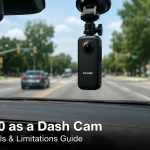
You have just purchased a new dash cam to protect your vehicle and capture the open road. The next logical step is to hardwire it for a clean, professional installation that powers your camera 24/7. But when you search for a hardwire kit, you are met with a dizzying array of options at wildly different price points. It is a fair question: are all dash cam hardwire kits the same, or does the choice actually matter for your car’s electrical system and your camera’s performance?
The short answer is no, not all hardwire kits are created equal. Choosing the wrong kit can lead to a drained car battery, a fried dash cam, or even a safety hazard. In this comprehensive guide, we will break down the critical differences between hardwire kits, explain what to look for in 2026, and give you the knowledge to make a safe, informed purchase. By the end, you will understand exactly why a cheap, generic kit might cost you far more in the long run.
The Core Components: Voltage, Amperage, and Connector Types
most fundamental difference between hardwire kits lies in their electrical specifications. Every dash cam requires a specific input voltage, typically 5 volts, but the power source in your car provides 12 to 24 volts. The hardwire kit’s job is to convert that higher voltage down to a safe level. This conversion is handled by a small circuit board inside the kit’s fuse tap or inline module. A high-quality kit uses a regulated, efficient voltage converter that provides clean, stable power, while a cheap kit may use a noisy converter that can introduce electrical interference, leading to video artifacts or even damaging your camera over time.
Amperage, or current, is equally critical. Your dash cam will have a specified amperage draw, usually between 1 and 2.5 amps. The hardwire kit must be rated to supply at least that much current. If you use a kit rated for only 1 amp with a camera that draws 2 amps, the kit will overheat, potentially melting its wiring or causing a short circuit. Conversely, kit rated for 5 amps is perfectly fine for a 1.5 amp camera, the camera will only draw what it needs. Always check your dash cam’s manual for its exact amperage requirements and match it to a kit that exceeds that number.
Finally, the connector type is a major point of differentiation. Most modern dash cams use a USB-C or Micro-USB connector for power. However, some premium cameras use a coaxial barrel connector, and older models might use Mini-USB. A universal kit often comes with multiple interchangeable tips, but these can be loose and cause intermittent power loss. A dedicated kit designed for your specific dash cam brand will have a perfectly fitting, locking connector that ensures a reliable connection. In 2026, USB-C has become the standard, but always verify your camera’s port before buying.
The Critical Feature: Low Voltage Protection and Parking Mode
The single most important feature that separates a good hardwire kit from a bad one is low voltage protection. This is a circuit that monitors your car’s battery voltage and automatically cuts power to the dash cam when the voltage drops to a preset level, preventing your car from being unable to start. Without this feature, your dash cam will continue to drain your battery until it is completely dead, especially if you use parking mode. A basic kit may have no protection at all, while a premium kit offers adjustable voltage cutoffs, typically ranging from 11.8V to 12.4V.
In 2026, the best hardwire kits offer multiple voltage cutoff settings to match different battery types. For example, a standard lead-acid battery can safely be drained to around 12.0V, while an AGM or lithium-ion battery can handle a lower cutoff of 11.8V. Some advanced kits even include a timer-based cutoff, allowing you to set the camera to record for a specific number of hours after the car is turned off. This is a fantastic feature if you only park in a safe garage overnight and want to maximize recording time during the day.
Parking mode itself is another area where kits differ. Some dash cams require a three-wire hardwire kit (constant power, accessory power, and ground) to enable parking mode. The constant wire keeps the camera on, while the accessory wire tells the camera when the ignition is on or off. Cheaper two-wire kits (constant and ground) will keep the camera on all the time, but they cannot trigger parking mode, meaning your camera will record continuously and drain your battery much faster. Always confirm whether your dash cam requires a three-wire kit for full parking mode functionality.
Build Quality, Safety, and Heat Resistance
The physical construction of a hardwire kit is a major differentiator that directly impacts safety and longevity. A high-quality kit uses thick, oxygen-free copper wiring with proper insulation that can withstand the extreme temperatures inside a car’s dashboard, which can exceed 180 degrees Fahrenheit in summer. Cheap kits often use thin, aluminum-clad copper wire (CCA) that has higher resistance, generates more heat, and is more prone to cracking and shorting out over time. The fuse tap itself should be made of durable, heat-resistant plastic with a secure fit in your car’s fuse box.
The fuse included in the kit is another critical safety component. Reputable kits come with a standard blade fuse (usually 2A, 3A, or 5A) that will blow in the event of a short circuit, protecting your car’s entire electrical system. Some cheap kits skip the fuse entirely or use a non-standard, hard-to-replace fuse. In 2026, look for kits that include a spare fuse and clearly label the amperage rating. Never use a kit that does not have a clearly visible, replaceable fuse, as this is a serious fire hazard.
Heat resistance is a non-negotiable factor. The voltage converter module inside the kit generates its own heat during operation. Premium kits use a metal or ceramic housing with thermal paste to dissipate heat effectively. Cheap kits often use a simple plastic housing with no heat management, which can lead to the module failing or even melting. A good test is to look for a kit that is UL or CE certified, indicating it has passed safety and thermal testing. While certification adds cost, it provides peace of mind that the kit will not fail catastrophically.
Compatibility: Brand-Specific vs. Universal Kits
One of the most common mistakes people make is assuming any hardwire kit will work with any dash cam. While a universal kit with a USB-A or USB-C output can physically connect to many cameras, the power negotiation is not always correct. Some dash cams, particularly from brands like BlackVue, Thinkware, or VIOFO, use a proprietary communication protocol over the USB cable to enable features like parking mode or to request a specific voltage. A universal kit that simply provides 5V power may not trigger these features, leaving you with a basic recording setup.
Brand-specific kits are engineered to work seamlessly with a particular camera model or series. For example, a BlackVue hardwire kit includes a special circuit that communicates with the camera to enable its intelligent parking mode, which can switch between time-lapse and motion detection based on activity. A Thinkware kit includes a built-in voltage meter that displays on the camera’s screen. These features are simply not available with a generic kit. If you want full access to your camera’s advanced features, investing in the brand’s official kit is almost always the best choice.
However, there are high-quality universal kits that work well with many cameras, especially those that use standard USB power. The key is to look for a universal kit that explicitly states it supports parking mode and has adjustable voltage protection. Brands like VIOFO and Garmin offer excellent universal kits that are compatible with a wide range of cameras. In 2026, the market has matured, and many third-party manufacturers now produce kits that rival OEM quality. Just be sure to read reviews from users with your specific camera model before purchasing.
Installation Complexity and Cable Length Considerations
The installation of a hardwire kit varies significantly based on its design and included accessories. A basic kit includes a single fuse tap, a ground ring terminal, and a length of cable. A premium kit might include multiple fuse taps (for both constant and accessory power), a fuse puller tool, wire taps, zip ties, and even a trim removal tool. These extras can make a difficult installation much easier, especially if you are a first-timer. In 2026, many kits also include a mini-USB to USB-C adapter, which is helpful as car manufacturers move toward USB-C ports.
Cable length is a practical consideration that is often overlooked. Most hardwire kits come with a cable length between 10 and 16 feet. This is usually sufficient for a sedan or small SUV, where the fuse box is located under the dashboard on the driver’s side. However, if you drive a large SUV, a truck, or a van, or if your fuse box is located in the trunk or engine bay, a 10-foot cable may not be long enough. Measure the distance from your intended fuse tap location to your dash cam’s mounting position before buying. Some premium kits offer extended-length versions, or you can purchase a separate extension cable.
Finally, consider the type of fuse tap included. Standard mini and low-profile mini fuse taps are the most common, but some modern cars use micro2 or even J-case fuses. A universal kit often includes a selection of different fuse taps, but they may not fit perfectly in your car’s fuse box. A loose fuse tap can cause intermittent power loss or even fall out. The best practice is to identify your car’s fuse type (check your owner’s manual or look at a fuse diagram online) and buy a kit that includes the correct tap. A secure, tight fit is essential for reliable long-term operation.
Key Takeaways
- ✓ Not all hardwire kits are the same; differences in voltage regulation, amperage rating, and connector type directly affect dash cam performance and safety.
- ✓ Low voltage protection is the most critical feature to prevent a dead car battery; look for adjustable cutoff settings (11.8V to 12.4V) for optimal battery life.
- ✓ Build quality matters: thick copper wiring, heat-resistant housings, and replaceable fuses are signs of a safe, durable kit.
- ✓ Brand-specific kits offer full compatibility with advanced parking modes and features, while high-quality universal kits are a good alternative for standard USB cameras.
- ✓ Installation ease depends on included accessories and cable length; always measure your route and verify your car’s fuse type before purchasing.
Frequently Asked Questions
Can I use any hardwire kit with my dash cam?
Not always. While many dash cams use standard USB power, some require a specific communication protocol to enable parking mode or other advanced features. Always check your dash cam’s manual for recommended hardwire kits. Using a generic kit may result in basic functionality only, or in some cases, no power at all.
Will a hardwire kit drain my car battery?
Only if it lacks low voltage protection. A quality kit with adjustable voltage cutoff will automatically shut off power to the dash cam when your battery reaches a safe level, typically around 12.0V. This ensures you can always start your car. A cheap kit without this feature will drain your battery completely.
How do I know which fuse tap size to buy for my car?
You need to identify the type of fuse your car uses. Common types include mini, low-profile mini, micro2, and J-case. Check your car’s owner’s manual or look at a fuse diagram online. Many hardwire kits include multiple fuse tap adapters, but for the best fit, buy a kit that specifically matches your car’s fuse type.
Is it safe to install awire kit myself?
Yes, for most people with basic DIY skills. The process involves connecting three wires: constant power, accessory power, and ground. The most critical step is choosing the correct fuse slot that is not used by a critical system (like airbags or the ECU). If you are unsure, consult a professional installer to avoid damaging your car’s electrical systemQ: What is the difference between a 2-wire and a 3-wire hardwire kit? A: A 2-wire kit has a constant power wire and a ground wire. It provides continuous power to the dash cam but cannot trigger parking mode. A3-wire kit adds an accessory wire that detects when the ignition is on or off. This allows the dash cam to automatically switch between normal recording and parking mode, which is essential for battery-saving features.
Conclusion
Choosing the right dash cam hardwire kit not a one-size-fits-all decision. As we have explored, the differences in voltage regulation, low voltage protection, build quality, and compatibility are significant and directly impact your dash cam’s performance your car’s battery health, and your overall safety. A cheap, generic kit might save you a few dollars upfront, but it can lead to a dead battery, a damaged camera, or even an electrical fire. Investing in a quality kit that matches your specific dash cam and vehicle is a smart, long-term decision.
Before you buy, take five minutes to check your dash cam’ power requirements, your car’s fuse type, and the features you need for parking mode. Look for a kit with adjustable voltage protection, thick copper wiring, and a replaceable fuse. Whether you choose a brand-specific kit for seamless integration or a high-quality universal kit for flexibility, the right choice will give you years of reliable, worry-free dash cam operation. Your car and your camera will thank you.

Tony Kilmer is an auto mechanic and the author behind CarTruckAdvisor.com. He shares practical, no-nonsense guidance on car and truck maintenance, common problems, and repair decisions—helping drivers understand what’s going on and what to do next.