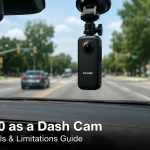
Yes, you can install a dash cam on a leased car in most cases, provided the installation does not permanently damage or modify the vehicle. The safest option is a removable dash cam setup that can be taken out before returning the vehicle at the end of the lease.
If you lease a car and want extra protection on the road, a dash cam is often one of the smartest accessories you can add. I have seen many drivers worry about lease restrictions, wiring issues, warranty concerns, and end-of-lease inspections. The good news is that most leasing companies allow dash cams as long as the vehicle can be returned in its original condition.
In this guide, I’ll explain everything you need to know about installing a dash cam on a leased vehicle, avoiding costly mistakes, and choosing the right setup.
Why Many Leased Car Drivers Want a Dash Cam
A dash camera has become one of the most popular car accessories in recent years. Whether you drive in busy city traffic or spend hours on highways, a dash cam can provide valuable video evidence if an accident occurs.
Common reasons drivers install dash cams include:
- Accident protection
- Insurance claim support
- Theft monitoring
- Parking surveillance
- Protection against false claims
- Recording road incidents
- Driver security
- Peace of mind
For leased vehicles, these benefits can be especially important because damage disputes can become expensive.
What Does a Car Lease Agreement Usually Say?
Every lease agreement is different, but most contracts focus on preventing permanent modifications.
Typically, leasing companies are concerned about:
- Drilling holes into panels
- Cutting factory wiring
- Damaging the dashboard
- Modifying electrical systems
- Removing factory-installed equipment
A standard windshield-mounted dash cam usually does not create these problems.
Before installing any device, I recommend reading your lease contract carefully or contacting the leasing company directly.
Can a Dash Cam Void a Lease Agreement?
In most situations, no.
A dash cam itself generally does not violate lease terms. Problems arise only when installation causes damage.
For example:
Usually Acceptable
- Suction cup mounting
- Adhesive mounting strips
- USB-powered dash cams
- Temporary cable routing
- Plug-and-play installation
Potentially Problematic
- Drilling into trim panels
- Permanent wiring changes
- Cutting factory cables
- Removing interior components incorrectly
- Damaging airbags during cable routing
The key is preserving the vehicle’s original condition.
Types of Dash Cam Installations for Leased Cars
Understanding installation methods helps you choose the safest option.
1. Plug-and-Play Dash Cam
This is the easiest and most lease-friendly solution.
The dash cam connects directly to:
- USB port
- 12V outlet
- Cigarette lighter socket
Benefits include:
- No vehicle modifications
- Easy removal
- Low installation cost
- Minimal risk
This is usually my top recommendation for leased vehicles.
2. Hardwired Dash Cam
A hardwired dash cam connects directly to the vehicle’s fuse box.
Advantages:
- Cleaner appearance
- Parking mode support
- No hanging power cable
Disadvantages:
- More complex installation
- Higher risk of improper wiring
- Possible lease concerns if done incorrectly
Many drivers successfully hardwire dash cams in leased cars, but professional installation is often the safer route.
3. OBD-II Powered Dash Cam
Some dash cams use the vehicle’s OBD-II port.
Benefits include:
- Quick installation
- No fuse tapping
- Easy removal
This option offers a good balance between convenience and functionality.
Will a Dash Cam Affect My Vehicle Warranty?
This is one of the most common concerns.
Generally, installing a dash cam does not automatically void a vehicle warranty.
Manufacturers usually must show that the accessory directly caused the issue before denying warranty coverage.
For example:
- A windshield-mounted camera normally will not affect engine warranty coverage.
- Improper electrical work that damages wiring could create warranty complications.
To reduce risk:
- Use quality equipment
- Follow manufacturer instructions
- Avoid altering factory wiring
- Consider professional installation
Customer Pain Point: Fear of Lease-End Charges
Many drivers ask:
“What if the leasing company charges me when I return the car?”
This concern is understandable.
The Problem
Lease inspections often look for:
- Interior damage
- Scratches
- Missing components
- Electrical issues
- Windshield damage
Drivers worry that a dash cam installation might leave visible marks.
The Solution
Choose a removable setup.
Before returning the vehicle:
- Remove the dash cam.
- Remove cable clips carefully.
- Clean adhesive residue.
- Restore all trim pieces.
- Verify all electronics function properly.
When done correctly, there is usually little evidence the camera was ever installed.
Customer Pain Point: Messy Cables
Nobody wants power cords hanging across the dashboard.
The Problem
Visible cables can:
- Look unattractive
- Distract the driver
- Create a cluttered interior
The Solution
Route cables behind:
- Headliner trim
- Weather stripping
- Interior panels
Take care around side curtain airbags. Never place wiring where it could interfere with airbag deployment.
Customer Pain Point: Parking Protection
Many leased-car drivers worry about parking lot damage.
The Problem
A vehicle can be scratched, hit, or vandalized while parked.
Without evidence, proving fault may be difficult.
The Solution
Use a dash cam with parking mode.
- Impacts
- Motion detection events
- Suspicious activity near the vehicle
This feature is especially useful for drivers who park in public areas regularly.
Best Features to Look for in a Dash Cam for a Leased Vehicle
Not all dash cams are created equal.
Important features include:
High Video Resolution
Look for:
- 1080p minimum
- 1440p preferred
- 4K for maximum detail
Clear footage helps identify:
- License plates
- Road signs
- Vehicle details
Wide Viewing Angle
A wider field of view captures more of the road.
Many quality dash cams offer:
- 140-degree angle
- 160-degree angle
- 170-degree angle
Night Vision
Night recording quality matters.
Good night vision helps capture:
- Dark roads
- Parking lots
- Poor weather conditions
GPS Tracking
GPS data can record:
- Speed
- Route information
- Location details
This information may help support insurance claims.
Loop Recording
Loop recording automatically overwrites older footage when storage is full.
This feature keeps the camera recording continuously.
G-Sensor
A G-sensor detects sudden impacts.
During a collision, important video files are automatically protected from being overwritten.
Should You Tell the Leasing Company?
In many cases, notification is not required for a standard dash cam installation.
However, it may be wise if:
- You plan to hardwire the system.
- Your lease has strict modification clauses.
- The vehicle is part of a commercial fleet lease.
When in doubt, ask for written confirmation.
Insurance Benefits of a Dash Cam
Insurance companies increasingly recognize the value of dash cam footage.
Benefits may include:
- Faster claim processing
- Better evidence collection
- Fraud protection
- Clear accident documentation
Video evidence can help establish what actually happened during an incident.
According to information provided by the National Highway Traffic Safety Administration (NHTSA), safe driving practices and proper vehicle documentation play an important role in road safety and incident investigation.
Front Dash Cam vs Front and Rear Dash Cam
Many leased-car drivers wonder which setup makes more sense.
Front Dash Cam
Pros:
- Lower cost
- Easier installation
- Simpler cable management
Cons:
- Limited rear coverage
Front and Rear Dash Cam
Pros:
- More complete protection
- Better accident evidence
- Rear-end collision recording
Cons:
- Additional wiring
- Slightly more complex installation
For many drivers, a front-and-rear system offers the best overall protection.
Mistakes to Avoid
Ignoring Lease Terms
Always review your contract first.
Using Cheap Adhesives
Poor-quality mounts may fall off or leave residue.
Blocking Driver Visibility
Position the camera carefully.
The device should not obstruct your view of the road.
Damaging Trim Pieces
Use proper trim tools if routing cables.
Forgetting Removal Before Return
Remove the dash cam before your lease inspection whenever possible.
Is Professional Installation Worth It?
For some drivers, yes.
Professional installation can provide:
- Cleaner cable routing
- Proper fuse connections
- Reduced risk of damage
- Better parking mode functionality
If you choose a hardwired setup, professional installation may be a worthwhile investment.
Pros and Cons of Installing a Dash Cam on a Leased Car
Pros
- Accident evidence
- Theft monitoring
- Parking protection
- Insurance support
- Driver confidence
- Road incident recording
Cons
- Installation cost
- Potential residue from mounts
- Wiring management
- Possible lease concerns if installed incorrectly
For most drivers, the benefits outweigh the drawbacks.
Expert Tips for Leased Vehicle Owners
Here are my top recommendations:
- Read the lease agreement first.
- Choose a removable dash cam whenever possible.
- Avoid permanent modifications.
- Keep installation documentation.
- Save original parts and accessories.
- Test the camera regularly.
- Remove the system before lease return.
- Clean all installation areas carefully.
Following these steps can help you enjoy the benefits of a dash cam while minimizing lease-related concerns.
Quotes About Vehicle Safety and Responsibility
“The best car safety device is a rear-view mirror with a cop in it.” — Dudley Moore
“Safety doesn’t happen by accident.” — Author Unknown
“Prepare and prevent, don’t repair and repent.” — Ezra Taft Benson
Frequently Asked Questions on Can I Install a Dash Cam on a Leased Car
Can I legally install a dash cam on a leased car?
In most cases, yes. The installation should not permanently modify or damage the vehicle.
Can I hardwire a dash cam in a leased vehicle?
Usually yes, but it should be done carefully and preferably by a qualified installer.
Will removing a dash cam leave marks?
Quality adhesive mounts and careful removal typically leave little or no visible evidence.
Should I remove the dash cam before returning the lease?
Yes. Removing the dash cam and restoring the vehicle to its original condition is generally recommended.
Can a dash cam help with insurance claims?
Yes. Recorded footage can provide valuable evidence after an accident.
Is a rear camera worth adding?
For many drivers, yes. Rear cameras can capture evidence during rear-end collisions and parking incidents.
Conclusion
So, can I install a dash cam on a leased car? In most situations, absolutely. The key is choosing an installation method that avoids permanent changes and allows the vehicle to be returned in excellent condition at the end of the lease.
I recommend a removable or professionally installed setup that protects your investment, supports insurance claims, and provides useful evidence if something goes wrong on the road. With the right approach, a dash cam can be one of the most useful accessories you add to a leased vehicle.

Tony Kilmer is an auto mechanic and the author behind CarTruckAdvisor.com. He shares practical, no-nonsense guidance on car and truck maintenance, common problems, and repair decisions—helping drivers understand what’s going on and what to do next.