Yes, a dash cam can have a big impact on insurance claims. The dash cam impact on insurance claims is real, giving you clear proof of what happened in a crash.
Think about it. After a crash, it’s your word against the other driver’s word. A dash cam changes that game. It shows the truth without any argument.
This little camera on your dashboard records the road. It captures every detail of an event. That video can be the key piece of evidence you need.
I’ve seen stories where a simple video saved people thousands of dollars. It stopped fraud and proved who was really at fault. Let’s talk about how this works.
What is the Dash Cam Impact on Insurance Claims?
Let’s break down the main idea. The dash cam impact on insurance claims is all about proof.
Insurance companies need to figure out who caused an accident. They look at police reports and talk to people. But people can forget details or even lie.
A dash cam gives them a movie of the event. It shows speeds, signals, and sudden stops. This makes the claims process much faster and clearer.
The dash cam impact on insurance claims can mean a faster payout for you. It can also stop a fraudulent claim against you before it even starts.
Many drivers now see this tool as essential. It’s like having a silent witness riding with you every day. That witness never forgets what it saw.
This direct proof is powerful. It cuts through the “he said, she said” mess that slows everything down after a crash.
How a Dash Cam Helps Prove Fault
Fault decides who pays. A dash cam is the best tool to show fault clearly.
Imagine someone runs a red light and hits you. They might tell their insurance you ran the light. Your dash cam video shows the truth.
It can capture the color of the traffic light. It can show the other car speeding up instead of slowing down. This visual proof is hard to argue against.
The dash cam impact on insurance claims is strongest here. It provides undeniable evidence of the events leading to the crash.
This can protect you from being blamed for something you didn’t do. It can also show if you were partly at fault, which is honest and can still help.
According to the National Highway Traffic Safety Administration (NHTSA), crash data is vital for safety. Your dash cam adds to that data for your own case.
In a hit-and-run, the dash cam impact on insurance claims is huge. You might catch the license plate on video. This helps police find the driver so their insurance pays, not yours.
Can a Dash Cam Lower Your Insurance Premiums?
This is a common hope. The direct dash cam impact on insurance claims doesn’t always mean a lower bill.
Most big insurance companies in the U.S. do not give a discount just for having a dash cam. They see it as a tool for you, not a direct risk reducer for them.
But think about the indirect savings. The dash cam impact on insurance claims can stop your rates from going up.
If you are in a crash that wasn’t your fault, the video proves it. Your insurance company won’t have to pay, so they won’t raise your rates.
Some smaller or specialized insurers might offer a small discount. It’s always worth asking your agent about their policy.
The main financial benefit isn’t a monthly discount. It’s avoiding a big rate hike or a costly lawsuit because you have proof. That’s where the real value is.
So while you might not pay less each month, you could save a lot of money over time. This is a key part of the dash cam impact on insurance claims.
The Step-by-Step Guide to Using Dash Cam Footage
So you have a crash and you have footage. What do you do next? Follow these steps.
First, make sure everyone is safe and call police if needed. Do not talk about your dash cam with the other driver at the scene. Just secure the video file.
Save the video right away. Most dash cams loop record and can overwrite old files. Pull the memory card or save the file to your phone if your camera allows it.
When you file your claim, tell your insurance adjuster you have dash cam footage. Do not post the video online or send it to the other driver’s insurance yourself.
Your insurance company will tell you how to send them the video file. They will review it as part of their investigation into the crash.
The dash cam impact on insurance claims happens here. The adjuster can see the crash and often make a fault decision very quickly.
Be ready. The footage could also show you made a mistake. Honesty is still the best policy, and it can help settle the claim fairly.
Fighting Insurance Fraud with a Dash Cam
Fraud costs everyone money. A dash cam is a great shield against it.
One common scam is the “swoop and squat.” A car cuts in front of you and slams its brakes, causing you to rear-end them. They claim injury.
Your dash cam shows they brake-checked you on purpose. This dash cam impact on insurance claims can stop a fraudulent injury claim dead.
Another scam is when a pedestrian jumps in front of your car. They claim you weren’t paying attention. Video shows they leaped out suddenly.
The FBI says insurance fraud is a big crime. Your dash cam makes you a harder target for criminals.
This protective dash cam impact on insurance claims gives you peace of mind. You drive knowing you have a defense against these awful schemes.
It protects your wallet and your driving record. That’s a powerful reason to get one.
What Your Dash Cam Should Record
Not all footage is equal. To maximize the dash cam impact on insurance claims, you need the right setup.
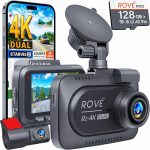
Get a camera that records in high definition. You need to be able to read license plates and see traffic light colors clearly.
A wide-angle lens is important. It captures more of the scene, not just what’s directly ahead.
Look for a model with a GPS logger. This adds your speed and location to the video. This data strengthens the dash cam impact on insurance claims.
A G-sensor is also useful. It senses a crash and locks the current video file so it doesn’t get overwritten.
Think about getting a dual-camera system. A second camera facing the cabin or the rear window gives even more coverage.
According to the Insurance Information Institute, documentation is key after a crash. A good dash cam is the ultimate documentation tool.
Common Mistakes People Make with Dash Cams
Having a dash cam is good. Using it wrong can hurt your case. Avoid these errors.
Not checking it regularly is a big one. Make sure it’s on and recording when you drive. A dead camera has no dash cam impact on insurance claims.
Using a cheap, low-quality memory card is bad. It can corrupt and lose your important video. Buy a high-endurance card made for dash cams.
Forgetting about audio recording can be a problem. In some states, you need to tell passengers they are being recorded. Check your local laws.
Not knowing how to save the footage is a disaster. Practice pulling the video file before you need to do it after a scary crash.
Putting the camera in the wrong spot is another mistake. It should not block your view of the road. Mount it high on the windshield, behind the rearview mirror.
Remember, the goal is a clear view of events. A poorly placed camera misses the action. That ruins the potential dash cam impact on insurance claims.
Legal and Privacy Considerations
You can’t just record everything everywhere. Be smart about the law and privacy.
In all 50 states, it is legal to have a dash cam on your windshield. But some states have rules about where you can place it.
Usually, it cannot block the driver’s view. A small camera placed behind the rearview mirror is almost always okay.
The audio part is trickier. Some states are “two-party consent” states. This means everyone in the car must know you are recording sound.
The U.S. Department of Justice has resources on recording laws. It’s your job to know the rules in your state.
Be respectful with the footage. Don’t post crash videos online to shame the other driver. Use it only for the insurance claim or legal case.
Understanding these rules ensures your evidence is usable. A legal mistake can lessen the dash cam impact on insurance claims.
Real Stories: The Dash Cam Impact on Insurance Claims
Hearing real examples shows the power. Here are a couple of common situations.
A driver was stopped at a light. The car behind them didn’t stop and caused a rear-end crash. Then, that driver claimed the first car reversed into them.
The dash cam in the first car showed it was completely stopped. The impact from behind was clear. The dash cam impact on insurance claims was total victory for the innocent driver.
In another case, a car changed lanes and side-swiped another vehicle. They then drove off. The victim’s dash cam caught the license plate and the driver’s face.
Police found the hit-and-run driver quickly. The victim’s insurance didn’t have to pay for their repairs. This positive dash cam impact on insurance claims saved them their deductible and rate increase.
These stories happen every day. The camera provides a truth that spoken words cannot. It turns a confusing event into a simple story.
That story is what insurance adjusters need to do their job fast and right. This is the core of the dash cam impact on insurance claims.
Frequently Asked Questions
Do insurance companies accept dash cam footage?
Yes, they do. Most insurance companies welcome clear video evidence. It helps them settle claims faster and more accurately.
Will a dash cam lower my insurance rate?
Usually not directly. But the dash cam impact on insurance claims can prevent your rates from going up after a crash that wasn’t your fault. That saves you money.
Can dash cam footage be used against me?
Yes, it can. If the video shows you were speeding or ran a light, the insurance company will see that. It is evidence for the whole truth.
What is the biggest benefit of a dash cam?
Peace of mind. Knowing you have proof changes how you drive and deal with crashes. The dash cam impact on insurance claims starts with that feeling of security.
How long should I keep dash cam footage after a crash?
Keep it until the insurance claim is fully closed. That could be months. Save copies in more than one place, like your computer and a cloud drive.
Are there any states where dash cams are illegal?
No state bans them completely. But states have different rules about placement and audio recording. Always check your specific state laws before you set it up.
Conclusion
So, what is the dash cam impact on insurance claims? It is a game-changer for honest drivers.
It turns your car into a moving witness. This witness tells the true story of a crash. That story protects you from fraud and false accusations.
The dash cam impact on insurance claims might not show up as a discount on your bill. It shows up as faster claims, fairer fault decisions, and keeping your record clean.
For a small cost, you buy a lot of security. In today’s driving world, that is a smart investment. Consider getting a dash cam and drive with more confidence.

Tony Kilmer is an auto mechanic and the author behind CarTruckAdvisor.com. He shares practical, no-nonsense guidance on car and truck maintenance, common problems, and repair decisions—helping drivers understand what’s going on and what to do next.