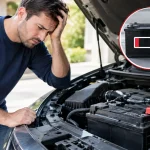
Yes, spark plugs do wear out. The average spark plug lifespan falls between 30,000 and 100,000 miles. This range depends a lot on the type of plug and how you drive your car.
Think of them as the tiny lightning bolts inside your engine. They fire thousands of times every minute to start the fuel burning. Over time, this constant sparking and heat wear them down. Knowing your spark plug lifespan helps you avoid big problems later.
A worn plug can make your car run rough. It can hurt your gas mileage and even stop your engine from starting. Keeping an eye on this simple part saves you money and trouble.
What Exactly Is Spark Plug Lifespan?
Let’s break down what we mean by spark plug lifespan. It’s not just about the plug dying completely. It’s about how long it works at its best.
A new plug creates a strong, hot spark. This spark lights the fuel mix perfectly. As miles add up, the metal electrodes at the tip slowly erode. The gap between them gets wider.
This wider gap makes it harder for the spark to jump. The engine has to work harder to make it happen. Your spark plug lifespan ends when this wear causes running issues. The U.S. Department of Energy notes that a worn plug can cut fuel economy by up to 30%.
So, tracking your spark plug lifespan is key for performance. It’s not just about if the car starts, but how well it runs. A long spark plug lifespan means consistent power and good gas mileage.
You can’t see this wear just by looking. The change happens over thousands of miles. That’s why following a mileage schedule is so important for your spark plug lifespan.
Different Types and Their Lifespan
Not all spark plugs are the same. The material they’re made from changes their spark plug lifespan a lot. You generally get what you pay for here.
Copper core plugs are the basic, old-school type. They have good conductivity but wear fast. Their typical spark plug lifespan is only 30,000 to 50,000 miles. Many older cars use these.
Platinum plugs are a step up. They have a platinum disc on the center electrode. This metal handles heat better and resists wear. The spark plug lifespan for platinum plugs is often 60,000 to 100,000 miles.
Iridium plugs are the top-tier option now. Iridium is an incredibly hard and durable metal. It has a very high melting point. This gives iridium plugs the longest spark plug lifespan, often 100,000 miles or more.
Double platinum or iridium plugs last even longer. They have precious metal on both the center and ground electrodes. This design reduces wear on both sides of the spark gap. It extends the spark plug lifespan even further.
Always check your car’s manual for the right type. Using a cheaper plug than recommended will shorten your spark plug lifespan. It can also hurt performance.
Signs Your Spark Plug Lifespan Is Ending
Your car will tell you when the spark plug lifespan is up. You just need to know what to listen and look for. These signs often show up slowly.
The most common sign is a rough idle. Your engine might shake or vibrate more when stopped at a light. It may feel like it’s stumbling or missing. This happens because a worn plug isn’t firing consistently.
Bad gas mileage is another big clue. If you’re filling up more often for the same driving, check your plugs. As the spark weakens, fuel doesn’t burn completely. This wastes gas and hurts your wallet.
Hard starting is a clear warning. The engine cranks for a long time before it fires up. This is especially true on cold mornings. A strong spark is needed to ignite a cold fuel mixture.
You might also feel a lack of power when you press the gas pedal. The car feels sluggish or slow to accelerate. This power loss means the combustion isn’t as strong as it should be. According to NHTSA, proper maintenance like spark plug replacement is part of vehicle safety.
In bad cases, the check engine light will come on. The car’s computer senses the misfire. Don’t ignore this light. It means your spark plug lifespan has likely run out.
What Shortens Spark Plug Lifespan?
Several things can cut your spark plug lifespan short. Knowing these helps you get the most miles from your plugs. Some factors are in your control.
Frequent short trips are hard on plugs. The engine doesn’t get hot enough to burn off carbon deposits. This gunk builds up on the plug tips. It can cause misfires and shorten the spark plug lifespan.
A rich fuel mixture is another killer. Too much fuel in the cylinders fouls the plugs. This leaves a black, sooty coating on them. Common causes are a faulty oxygen sensor or a dirty air filter.
Oil leaking into the combustion chamber is very bad. This often happens from worn piston rings or valve seals. Oil on the plug tip prevents a proper spark. It can ruin a plug very quickly.
Using the wrong heat range plug hurts lifespan too. Plugs are designed to run at a specific temperature. A too-cold plug collects deposits. A too-hot plug can cause pre-ignition and damage.
Poor quality fuel can also be a factor. Low-octane gas in an engine that needs premium can cause knocking. This puts extra stress on the plugs. Always use the fuel grade your car’s maker suggests.
How to Check Your Spark Plugs
You can check your spark plug lifespan yourself with some basic tools. You’ll need a spark plug socket, a ratchet, and maybe a gap tool. Always let the engine cool completely first.
Start by pulling off one spark plug wire at a time. Grip the boot, not the wire itself, and twist it gently. Then use your socket to remove the plug from the cylinder head.
Look at the tip of the plug. A healthy plug will have a light tan or gray color on the insulator. The electrodes should be sharp and square, not rounded. This indicates a good spark plug lifespan remains.
Check the gap between the center and ground electrode. Use a feeler gauge or a gap tool. Compare it to the specification in your car’s manual. A too-wide gap means the plug is worn out.
Look for bad signs. Black, sooty deposits mean a rich fuel mix. White, blistered insulator tips mean the plug is running too hot. Oily residue means engine oil is leaking in.
If one plug looks bad, check them all. It’s common to replace spark plugs as a full set. This keeps the engine running evenly. Mixing old and new plugs can cause balance issues.
The Right Way to Change Spark Plugs
Changing plugs is a good DIY job. Doing it right protects your new spark plug lifespan. Take your time and follow these steps.
First, get the correct new plugs for your car. Check the owner’s manual or an auto parts store. They will need the right thread size, reach, heat range, and gap. Some plugs come pre-gapped, but always double-check.
Work on one cylinder at a time. This prevents mixing up the ignition wires. Remove the wire, take out the old plug, and put in the new one right away.
Hand-tighten the new plug first. Make sure it threads in smoothly. Cross-threading can ruin the cylinder head. Then use a torque wrench to tighten it to the spec in your manual. Overtightening can crack the plug’s ceramic insulator.
Put a small dab of dielectric grease inside the boot of each spark plug wire. This keeps moisture out and makes the wire easier to remove next time. Push the wire boot firmly onto the new plug until it clicks.
After all plugs are in, start the engine. Listen for a smooth idle. If it runs rough, you may have a wire not fully seated. The Environmental Protection Agency highlights that a well-tuned engine with fresh plugs pollutes less.
Myths About Spark Plug Lifespan
There are lots of old stories about spark plugs. Let’s clear up some common myths about spark plug lifespan. This will help you make better choices.
One myth says you should clean and regap old plugs to extend their life. For modern platinum or iridium plugs, this is bad advice. Cleaning can damage the fine electrode coating. It’s better to just replace them when their spark plug lifespan is done.
Another myth claims that more expensive plugs always give more power. For a stock daily driver, this usually isn’t true. A new plug of the correct type restores lost power. A “fancy” plug won’t magically add horsepower your engine wasn’t designed for.
Some people think you can wait until the car misfires to change plugs. This is waiting too long. Performance and fuel economy drop well before a total misfire happens. Proactive replacement protects your spark plug lifespan and your engine.
The idea that all plugs last 100,000 miles is also a myth. Only specific iridium or long-life plugs have that rating. Your car’s recommended change interval is the best guide for your spark plug lifespan.
Finally, the myth that changing plugs is a huge, hard job stops people. For most four, six, or eight-cylinder engines, it’s straightforward. With basic tools and an hour of time, you can do it yourself and understand your spark plug lifespan better.
Cost of Replacing Spark Plugs
Let’s talk money. The cost to replace spark plugs varies. It depends on your car’s engine and the plug type you choose.
For a common four-cylinder car, a set of four copper plugs might cost $10 to $20. Platinum plugs for the same car could be $25 to $50 for the set. Iridium plugs are the most expensive, often $40 to $80 or more for four.
If you pay a mechanic, add labor costs. This job can take an hour or two. Shop rates vary, but you might pay $100 to $200 in labor on top of the part cost. Some engines, like those with plugs under intake manifolds, cost more to service.
Think of this cost as an investment. Fresh plugs restore gas mileage and performance. The fueleconomy.gov site shows that simple maintenance like this keeps your car efficient. The money you save on gas can pay for the plugs themselves.
Also, consider the cost of NOT changing them. A severely worn plug can cause a misfire that damages the catalytic converter. That repair costs thousands. Protecting your spark plug lifespan is cheap insurance.
Buy plugs from a trusted brand or auto parts store. Cheap, no-name plugs often have inconsistent quality. They might not deliver the spark plug lifespan they promise.
Frequently Asked Questions
Can I extend my spark plug lifespan?
You can help it by using good fuel and fixing engine issues fast. Things like oil leaks or a bad oxygen sensor will shorten spark plug lifespan. Good general upkeep is the best way.
What is the average spark plug lifespan for a modern car?
Most newer cars with platinum or iridium plugs suggest 60,000 to 100,000 miles. Always check your owner’s manual for the exact interval for your vehicle’s spark plug lifespan.
Do spark plugs have a shelf life?
Yes, unused plugs can degrade over many years. The seals can dry out. If you have very old new plugs, it’s best to buy fresh ones. Don’t risk a short spark plug lifespan from old stock.
Can bad spark plugs damage my engine?
Yes, in extreme cases. A constant misfire can wash down cylinder walls with fuel, hurting lubrication. It can also overheat and damage the catalytic converter. Don’t ignore a finished spark plug lifespan.
Should I replace ignition coils with spark plugs?
Not always, but it can be smart on high-mileage cars. If a coil fails soon after new plugs, you pay labor twice. Some mechanics suggest doing both if the coils are original and old.
Does driving style affect spark plug lifespan?
It can. Lots of stop-and-go city driving may cause more deposit buildup. Long highway trips let the engine run at its ideal temperature, which can help maintain a healthy spark plug lifespan.
Conclusion
Your spark plug lifespan is a key part of car care. It’s not a part you see, but you definitely feel it when it’s gone. Keeping up with this simple swap makes your car run better and saves you money on gas.
Don’t wait for a breakdown. Check your manual, know your mileage, and change them on schedule. Understanding and respecting your spark plug lifespan is a mark of a smart car owner. It keeps that engine firing strong for thousands of miles to come.

Tony Kilmer is an auto mechanic and the author behind CarTruckAdvisor.com. He shares practical, no-nonsense guidance on car and truck maintenance, common problems, and repair decisions—helping drivers understand what’s going on and what to do next.