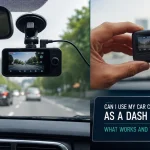
You just bought a brand-new dash cam to protect yourself from insurance fraud, record scenic road trips, or capture evidence in the event of an accident. You open the box, hold the sleek device, and then realize the power cable needs to snake around your windshield, behind your dashboard, and into your fuse box without dangling in your line of sight. This is the moment most drivers realize that professional installation is not just a luxury—it is a necessity for safety, aesthetics, and legal compliance.
In 2026, dash cams have become standard equipment for millions of drivers, but improper installation remains a leading cause of device failure, battery drain, and even voided vehicle warranties. This guide will walk you through every option for getting your dash cam professionally installed, from big-box retailers to specialized mobile technicians. You will learn how to compare costs, verify installer credentials, and choose the right service for your specific vehicle and camera model, ensuring your investment is protected from day one.
Big-Box Retailers and Electronics Chains: Best Buy, Best Buy Auto Tech, and Similar Services
The most accessible option for most drivers remains the large electronics retailer. Best Buy, through its Geek Squad Auto Tech division, has become the dominant player in dash cam installation across the United States and Canada. As of 2026, over 1,200 Best Buy locations offer dedicated dash cam installation services, with prices typically ranging from $99 to $199 depending on the complexity of the install. The primary advantage here is convenience: you can often schedule an appointment online, drop your car off while you shop, and pick it up within two to three hours.
However, not all big-box installations are created equal. The quality of the work depends heavily on specific technician assigned to vehicle. Some locations employ certified mobile electronics installers with years of experience, while others may rely on general electronics staff who have completed a short training module. To ensure a quality install, always ask whether the technician has experience with your specific dash cam model and whether they will hardwire the unit into your fuse box or simplyuck the cable into the headliner. Hardwiring is the gold standard for 2026 dash cams, as it enables parking mode recording and eliminates unsightly cables.
A practical tip: call the store directly before booking and ask for the "Auto Tech bay" manager. Inquire about their experience with dual-channel systems (front and rear cameras) and whether they carry the necessary fuse taps and voltage regulators for your vehicle. Many big-box stores now offer a 30-day labor warranty, but you should confirm this in writing before the installation begins. If you drive a luxury or electric vehicle, be aware that some retailers may refuse service or charge a premium due to the complexity of modern electrical systems.
Specialized Car Audio and Electronics Shops: The Professional Installer Advantage
Mobile Installation Services: Convenience at Your Doorstep in 2026
The rise of the gig economy has brought a new option to the dash cam installation market: mobile technicians who come to your home, office, or even your parking lot. Services like Yelp's "Request a Quote" feature, Thumbtack, and specialized platforms like "Dash Cam Installers USA" have made it easier than ever to find a certified installer who will travel to you. In 2026, mobile installation typically costs between $120 and $250, with the exact price depending on your location, the complexity of the install, and the technician's experience level.
The primary benefit of mobile installation is convenience. You do not need to take time off work to drop your car at a shop or wait in a retail store. The technician comes to you, performs the installation in your driveway or parking lot, and leaves you with a fully functional. However, this convenience comes with risks. Unlike a brick-and-mortar shop, a mobile installer may not have access to a workshop with specialized tools, lifts, or replacement parts if something goes wrong. You also have less recourse if the installation is faulty, as many mobile technicians are independent contractors without the backing of a larger company.
To mitigate these risks, always verify the technician's credentials before booking. Ask for proof of general liability insurance and a valid business license. Read recent reviews on multiple platforms, not just the one where you found them. A reputable mobile installer will arrive in a branded vehicle, carry a portfolio of previous work, and provide a written estimate before starting. They should also be willing to show you the installation process step-by-step and explain how they are routing cables to avoid airbags and other critical components. For peace of mind, consider using a platform that offers a satisfaction guarantee or dispute resolution process.
Dealership Installation: The Premium (and Expensive) Option
For owners of luxury vehicles, electric cars, or leased vehicles, the dealership remains a viable, albeit expensive, option for dash cam installation. In 2026, most major automakers, including Toyota, Honda, BMW, and Mercedes-Benz, offer factory-approved dash cam installation services through their service departments. These installations typically cost between $300 and $600, but they come with the assurance that the work will not void your vehicle's warranty and that the installation will be performed by technicians trained specifically on your car's electrical architecture.
The primary advantage of dealership installation is warranty protection. If you lease a vehicle, many lease agreements explicitly require that any aftermarket electronics be installed by a dealer-approved technician. A dealership installation also ensures that the dash cam is integrated with your vehicle's existing systems, such as the infotainment screen or the ADAS calibration. Some dealerships now offer "OEM-style" dash cams are designed to look like factory equipment, with no visible wires and a seamless fit against the windshield.
However, the high cost is not the only downside. Dealership service departments are often booked weeks in advance, and the installation may take an entire day rather than a few hours. Additionally, many dealerships only install specific dash cam models that they sell, which may not have the features or video quality of aftermarket options. Before booking, ask exactly which dash cam models they support and whether they can hardwire the unit for parking mode. If you already own a dash cam, confirm that the dealership will install a customer-provided device—many will not, or they will charge an additional "customer-supplied parts" fee.
DIY Installation: When It Makes Sense and When to Avoid It
While this guide focuses on professional installation, it is worth discussing the DIY option for the mechanically inclined driver. In 2026, many dash cam manufacturers, including VIOFO, Thinkware, and BlackVue, have released "plug-and-play" kits that simplify the installation process. These kits include pre-wired fuse taps, voltage regulators, and detailed video tutorials that guide you through the step-by-step. For a single-channel front camera, a confident DIYer can complete the installation in 30 to 60 minutes with basic tools like a trim removal tool, a multimeter, and a set of pliers.
DIY installation makes the most sense if you drive a common vehicle with a well-documented fuse box layout, such as a Honda Civic, Toyota Camry, or Ford F-150. Online forums and YouTube channels dedicated to your specific car model often provide detailed guides showing exactly which fuse positions to use and how to route cables without removing major interior panels. The cost savings are significant: a DIY installation costs only the price of the hardwire kit (typically $15 to $30) plus your time, compared to $100 to $600 for professional installation.
However, DIY installation is not recommended for several scenarios. If you drive a luxury or electric vehicle with complex electrical systems, a mistake could trigger expensive error codes or damage sensitive modules. If your vehicle has advanced ADAS features like lane-keeping assist or automatic emergency braking, improperly routing cables near the windshield-mounted sensors can interfere with these systems. Additionally, if you lease your vehicle, any damage caused by improper installation could result in significant fees when you return the car. When in doubt, pay for professional installation—the cost is far less than the potential repair bills.
Key Takeaways
- ✓ Big-box retailers like Best Buy offer convenient, affordable installation ($99-$199) but quality varies by location and technician experience.
- ✓ Specialized car audio shops provide the highest quality work ($150-$300) and are best for luxury, electric, or complex vehicles.
- ✓ Mobile installation services offer doorstep convenience ($120-$250) but require careful vetting of the technician's credentials and insurance.
- ✓ Dealership installation ($300-$600) protects your warranty and is required for leased vehicles, but is expensive and often limited to specific camera models.
- ✓ DIY installation is viable for common vehicles with simple electrical systems, but should be avoided for luxury, electric, or ADAS-equipped cars.
Frequently Asked Questions
How long does a professional dash cam installation typically take?
A standard single-channel front camera hardwire installation usually takes between 45 minutes and 2 hours at a shop. Dual-channel systems (front and rear) can take 2 to 4 hours. Mobile installations may take slightly longer due to the technician working in less controlled conditions. Dealership installations often require a full day because they are scheduled alongside other service work.
Will a dash cam installation void my car's warranty?
In the United States, the Magnuson-Moss Warranty Act protects consumers from having their warranty voided solely because they installed an aftermarket accessory. However, if the installation causes damage to your vehicle's electrical system, the dealership can deny warranty coverage for that specific issue. Professional installation by a reputable shop minimizes this risk, and dealership installation eliminates it entirely for the electrical system.
Can any dash cam be hardwired, or do I need a specific model?
Most modern dash cams can be hardwired, but you typically need a specific hardwire kit sold by the manufacturer or a compatible third-party kit. The hardwire kit includes a voltage regulator that prevents your car battery from draining below a safe level. Some budget dash cams do not support hardwiring and can only be powered through the cigarette lighter port. Always check your dash cam's specifications before purchasing a hardwire kit.
What is parking mode, and do I need it?
Parking mode allows your dash cam to continue recording while your car is parked and turned off. It uses motion detection or impact sensors to capture incidents like hit-and-runs, vandalism, or parking lot collisions. To use parking mode, your dash cam must be hardwired to a constant power source (not the cigarette lighter). It is highly recommended for anyone who parks on the street, in public lots, or in high-traffic areas.
Q How do I find a reputable dash cam installer in my area?
Start by searching for "car audio installation near me" or "12-volt specialist [your city]" rather than just "dash cam installation." Read reviews on Google, Yelp, and the Better Business Bureau. Look for installers who have been in business for at least five years and have specific experience with your vehicle make and model. Ask photos of previous installations and confirm they carry general liability insurance. For mobile installers, use platforms like Thumbtack that offer satisfaction guarantees.
Conclusion
Choosing where to get your dash cam installed is a decision that directly impacts the safety, reliability, and longevity of your investment. Whether you opt for the convenience of a big-box retailer, the expertise of a specialized car audio shop, the flexibility of a mobile technician, or the warranty protection of a dealership, the key is to do your research and ask the right questions. Remember that a proper hardwire installation with parking mode capability is the standard in 2026, any installer who suggests a simple "tuck and plug" solution is likely cutting corners.
Take the time to verify credentials, read reviews, and understand the warranty terms before handing over your keys. A professionally installed dash cam will provide years of reliable service, protect you from fraudulent claims, and potentially save you thousands of dollars in insurance disputes. If you are still unsure, start by calling a few local car audio shops and asking for quotes—you will quickly get a sense of who is knowledgeable and who is just trying to make a quick sale. Your dash cam is your silent witness on the road; make sure it is installed to do its job perfectly.

Tony Kilmer is an auto mechanic and the author behind CarTruckAdvisor.com. He shares practical, no-nonsense guidance on car and truck maintenance, common problems, and repair decisions—helping drivers understand what’s going on and what to do next.